CLEEN Foundation Warns Rights Abuses Persist in 12 States Despite ACJL

By Sarah Asake

Kaduna

The CLEEN Foundation has raised alarm over the continued violation of citizens’ rights in Nigeria, despite the adoption of the Administration of Criminal Justice Law (ACJL) by 12 states across the country.
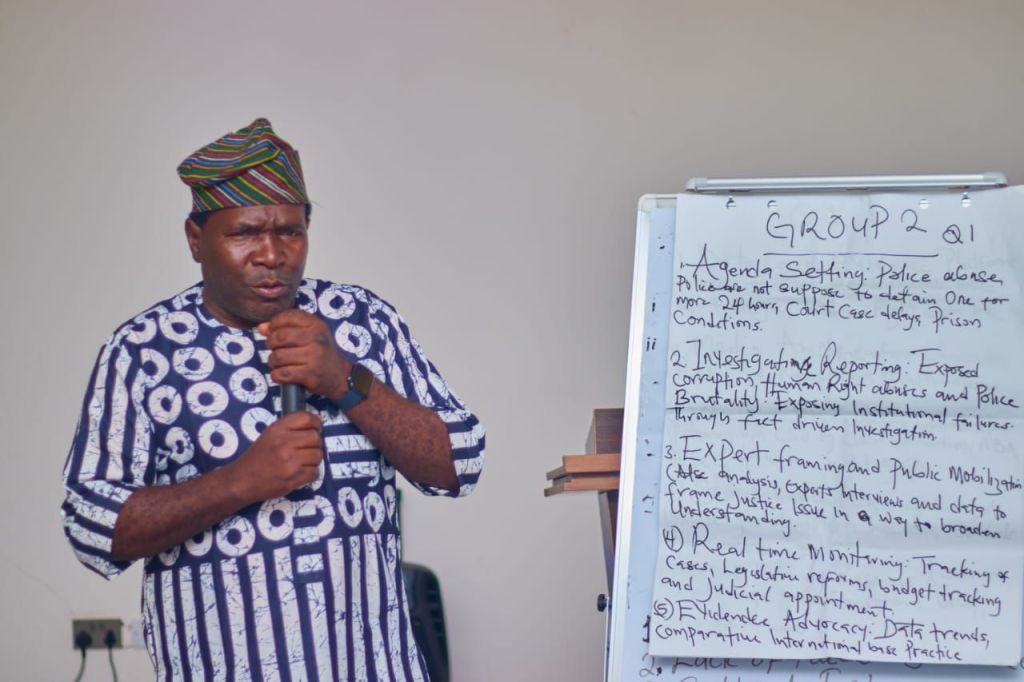
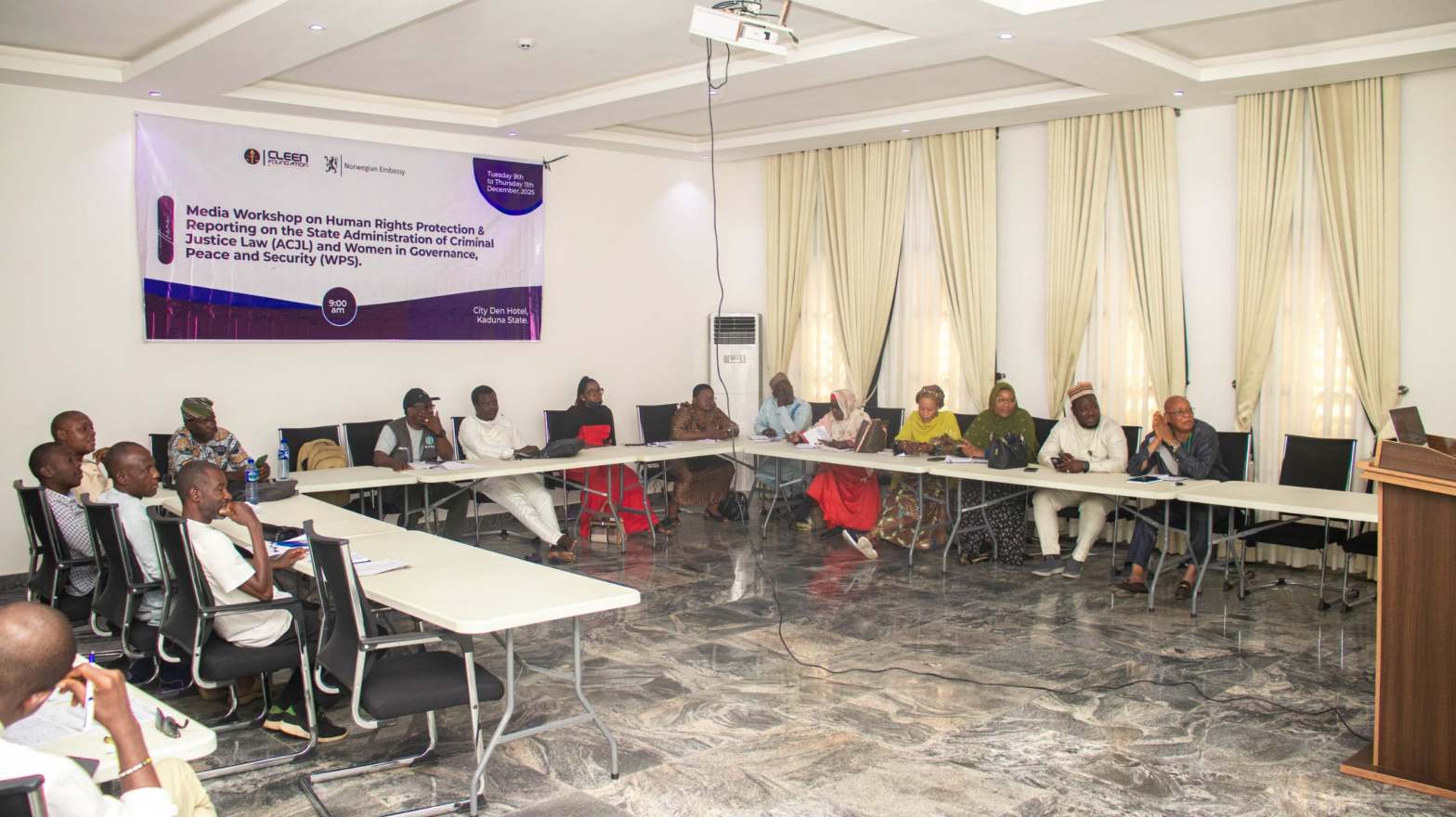
The warning is contained in a policy brief released in Kaduna on Friday, December 11, 2025, which states that unlawful arrests, arbitrary detention, and other abuses outlawed under the ACJL remain widespread due to weak enforcement and low public awareness.

The states assessed in the report are Adamawa, Gombe, Jigawa, Kaduna, Plateau, Benue, Ekiti, Lagos, Enugu, Imo, Akwa Ibom, and Cross River.

According to the report, although 86 per cent of justice sector officials surveyed said they understand the provisions of the ACJL, citizens continue to experience practices the law was designed to eliminate.

One of the key concerns highlighted is the persistence of “arrest in lieu,” a practice where law enforcement agencies detain relatives or associates of suspects instead of the actual individuals being sought. The Foundation noted that the practice, which is expressly prohibited under the ACJL, still occurs in several jurisdictions, exposing innocent people to unlawful detention and abuse.

The report also observed that many Nigerians remain unaware of their fundamental rights, including protection against unlawful arrest, the right to timely arraignment, and access to bail. It warned that this lack of awareness weakens accountability and enables rights violations to go unchecked.

Beyond public ignorance, the policy brief identified institutional shortcomings within the justice system as major drivers of abuse. These include gaps in police investigations, slow trial processes, overcrowded custodial centres, and the continued use of paper-based documentation, which limits transparency and hinders effective monitoring of legal safeguards.

Despite these challenges, the CLEEN Foundation acknowledged some progress under ongoing justice-sector reforms. The report cited the training of over 1,000 justice actors, the establishment of 12 monitoring committees, and the release of 107 inmates through improved oversight mechanisms.

The Foundation called on state governments to strengthen enforcement of the ACJL, commit more resources to the justice sector, and ensure that law enforcement and judicial agencies adopt rights-based procedures. It also urged expanded public awareness campaigns to educate citizens about their rights, while encouraging civil society organisations and the media to intensify monitoring and advocacy efforts.

The report further advised the judiciary and security agencies to adopt digital tools to reduce procedural delays and curb abuses within the criminal justice system.
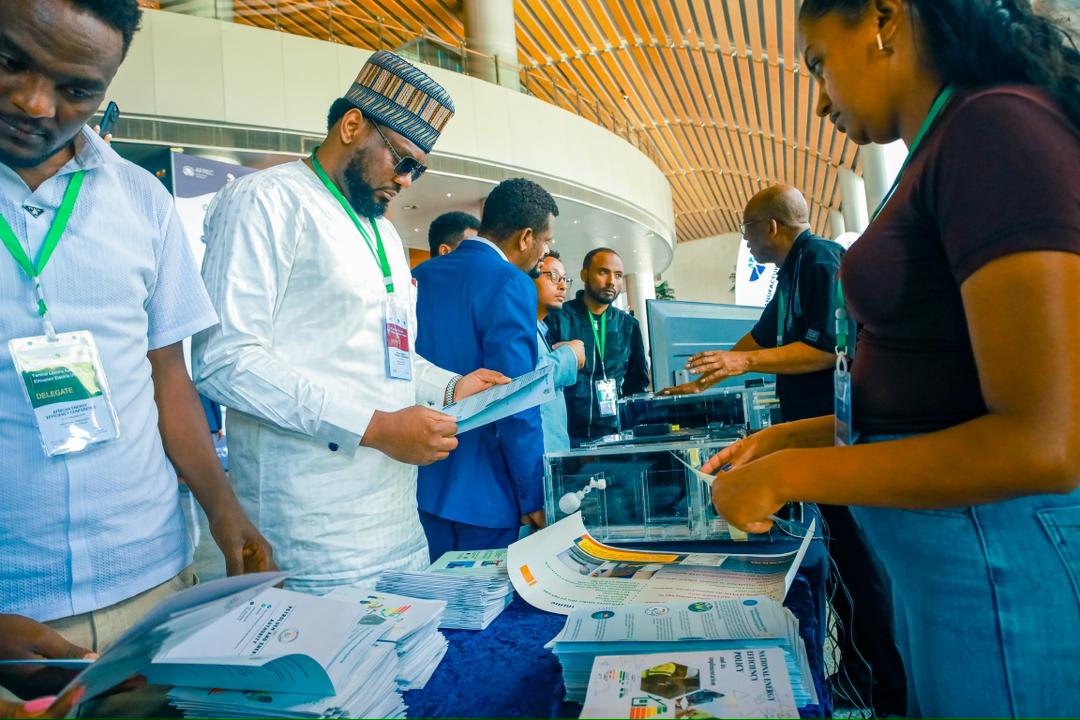
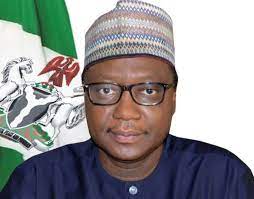
ECN DG Participates/ Engages African Leaders At Ethiopia Energy Efficiency Conference

As part of Nigeria’s strategic positioning and commitment to driving sustainable energy solutions for Africa’s future, the Director-General of the Energy Commission of Nigeria (ECN), Dr. Mustapha Abdullahi, has participated in the opening ceremony of the African Energy Efficiency Conference held in Ethiopia.

Dr. Abdullahi, who was a special guest at the event, participated in critical conversations with senior officials, leading African figures, and the Energy Minister of Kenya, where discussions focused on the central role of energy efficiency in stimulating economic growth and strengthening climate resilience across Africa.

The Director General of ECN , also engaged with representatives from the EU, the European Investment Bank, GIZ, the IEA, AFD, and SEforALL.

The engagements explored partnerships, financing pathways, and supportive policy frameworks aimed at expanding Nigeria’s contributions and ensuring meaningful outcomes throughout the conference.

Dr. M.B Shehu: Leading RMAFC with integrity

By Salisu Ibrahim

A walk into the premises of Revenue Mobilization Allocation and Fiscal Commission (RMAFC) office, would attest to the impact of Good Leadership. Work atmosphere at the Commission is very positive and employee relations is highly cordial, a development that is clearly demonstrating effective leadership.

The Commission was Established by Decree No. 49 of 1989, amended by Decree 98 of 1993 and presently RMAFC Act CAP R7 LFN 2004.

By constitutional provisions, Revenue Mobilization Allocation and Fiscal Commission is constitutionally is mandated to monitor accruals to all tiers of government as well as disbursement of revenues from the Federation Account, a mandate that has placed in the Commission a very critical role of safeguarding public resources.

As an agency of the Federal Republic of Nigeria that oversees the revenues accruing to and disbursement of such funds from the Federal Account to relevant tiers, the Body is also expected to ensure that there is conformity and equity in the nation’s revenue allocation formulae.

With this unique responsibility, RMAFC, occupies an important and strategic position in the Nigeria’s fiscal architecture, requiring it to uphold the core values of integrity, transparency, accountability, professionalism, and patriotism.

This explains why a leader of such an important government body must be a man of impeccable character, a very honest and sincere person, who will lead the body with integrity honesty, trustworthiness, and reliability.

When Dr. Mohammed Bello Shehu was appointed as Chairman of the Commission after his stewardship as Secretary of the Commission, staff of the commission were so elated, expressing their happiness for having the right person to lead them.

So far, the Commission is enjoying a positive turn around and the remarkable progress achieved so far, are largely attributed to the exemplary leadership of the Chairman, Dr. Mohammed Bello Shehu, whose leadership style has transformed the work atmosphere, fostering a positive, productive, and supportive environment that inspires employees to excel.

Under Dr. Shehu’s guidance, employees feel valued, respected, and empowered, with their contributions recognized and their voices heard. The Chairman’s commitment to treating staff with dignity and respect has created a sense of trust and confidence, driving them to work collaboratively towards achieving the Commission’s goals.

In his style of leadership, Dr. Shehu has encouraged open communication, innovation, and high productivity, thereby relating with relevant stakeholders to achieve the goals of the commission while also unlocking the staff’s full potential and propelling them to work towards Commission’s success and growth.

No one is in doubt as to the fact that the Commission’s workforce is highly motivated, well engaged, and equipped with ethical training to uphold truth and honesty. They are equally receiving professional development, ethical training to keep away from untoward practices, and receiving necessary skills and knowledge to handle challenges to manage the dynamics of changes.

The Chairman’s integrity and his leadership style have set a positive example, building trust and respect among employees. This has boosted workplace performance, enhanced the organization’s reputation, and inspired accountability, collaboration, and fairness.

As a result, individual workers are driven to work as a team, striving for excellence and achieving the Commission’s objectives, while relevant stakeholders are joining hands together with the Commission towards wiping out corrupt and bad practices in governance.

At one of such capacity building organized in collaboration with the ICPC, for the Commission’s staff last Tuesday, the Chairman admonished all the relevant stakeholders to join hands together in the nation’s fight against corrupt practices.

So far, the impact of Dr. Shehu’s leadership is clearly evident in the faces of the Commission’s employees, who always exude a sense of fulfillment and satisfaction with their work. His leadership has created a sense of community, driving job satisfaction, productivity, and success, and cementing the Commission’s position as a premier primary organization mandated to ensure equity and fairness in the distribution of nation’s resources.

This particular circumstance was possible because of the quality of leadership being demonstrated by the Chairman, Dr. Muhammad Bello Shehu. Under his watch, the atmosphere at the Commission has been very positive, productive, and supportive and the work environment continue to inspire employees to thrive and achieve success.

Workers of the Commission are adequately motivated and engaged in various types of capacity building, a development that is making them to work collaboratively towards achieving the common goal and in turn, they all believe, they are now in safe hands while feeling secure in their roles and workplace.

Ibrahim contributes this piece from Kano. Could be reached on faccageltd10@gmail.com

Art Can Heal Nigeria — Shehu Sani Declares at Kaduna Painting Competition

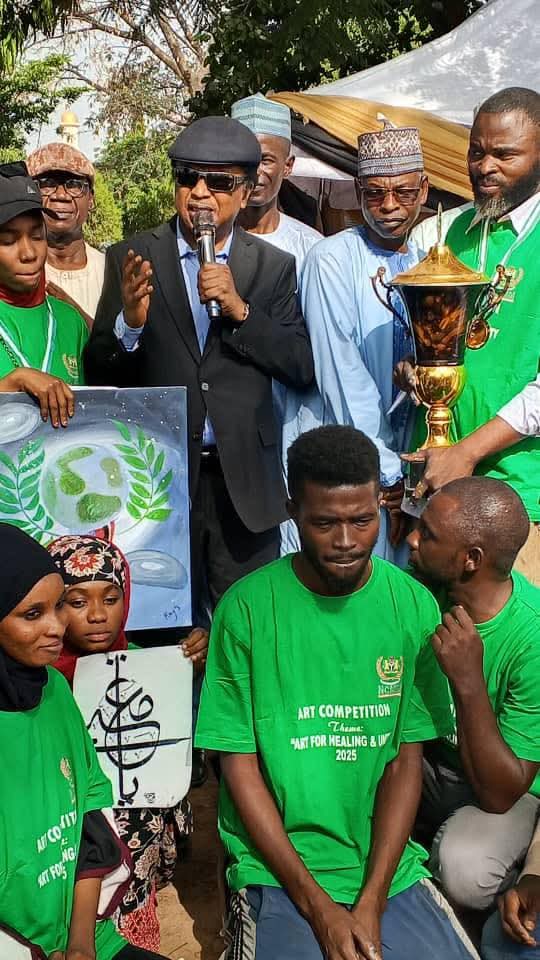
Former Kaduna Central Senator, Comrade Shehu Sani, has reiterated the power of art as a unifying force and a catalyst for national development, as he sponsored and graced a Painting Competition held on Wednesday at the Kaduna Museum.

The event, which attracted dozens of young artists, students, cultural enthusiasts and community leaders, showcased a variety of paintings reflecting themes of peace, unity, diversity and social harmony.

Speaking during the ceremony, Sani said the competition was conceived to encourage creativity among young Nigerians and to provide them with a platform to express themselves freely through visual arts. According to him, painting and other creative expressions have the capacity to bridge divides, foster tolerance and strengthen national cohesion.

He noted that art remains a universal language that communicates across ethnic, religious and political barriers, making it a strategic tool for promoting peaceful coexistence in a multicultural society like Nigeria.

“Art has the power to heal, to unify and to inspire,” Sani said. “What these young artists have demonstrated today is that creativity can serve as a panacea for our national challenges, including unemployment, social tension and the lack of opportunities for the youth.”

The former senator emphasised that investment in art and creative industries can contribute significantly to job creation, tourism growth and youth empowerment. He urged government agencies, cultural institutions, NGOs and private-sector actors to support similar initiatives that highlight the talents of young Nigerians.

Sani also commended the participants for their outstanding works, promising to continue supporting programmes that promote creativity, skill development and peaceful engagement among young people.

Curators at the Kaduna Museum and coordinators of the competition praised Sani for his consistent commitment to cultural development and youth empowerment, stressing that the event would inspire many young artists to pursue careers in the creative sector.

Winners of the competition received certificates, cash prizes and art materials, while their works are expected to be displayed at the museum and other public exhibitions aimed at promoting peace and unity.

Nigeria, Saudi Arabia sign Five-Year Defence, Military Cooperation Agreement

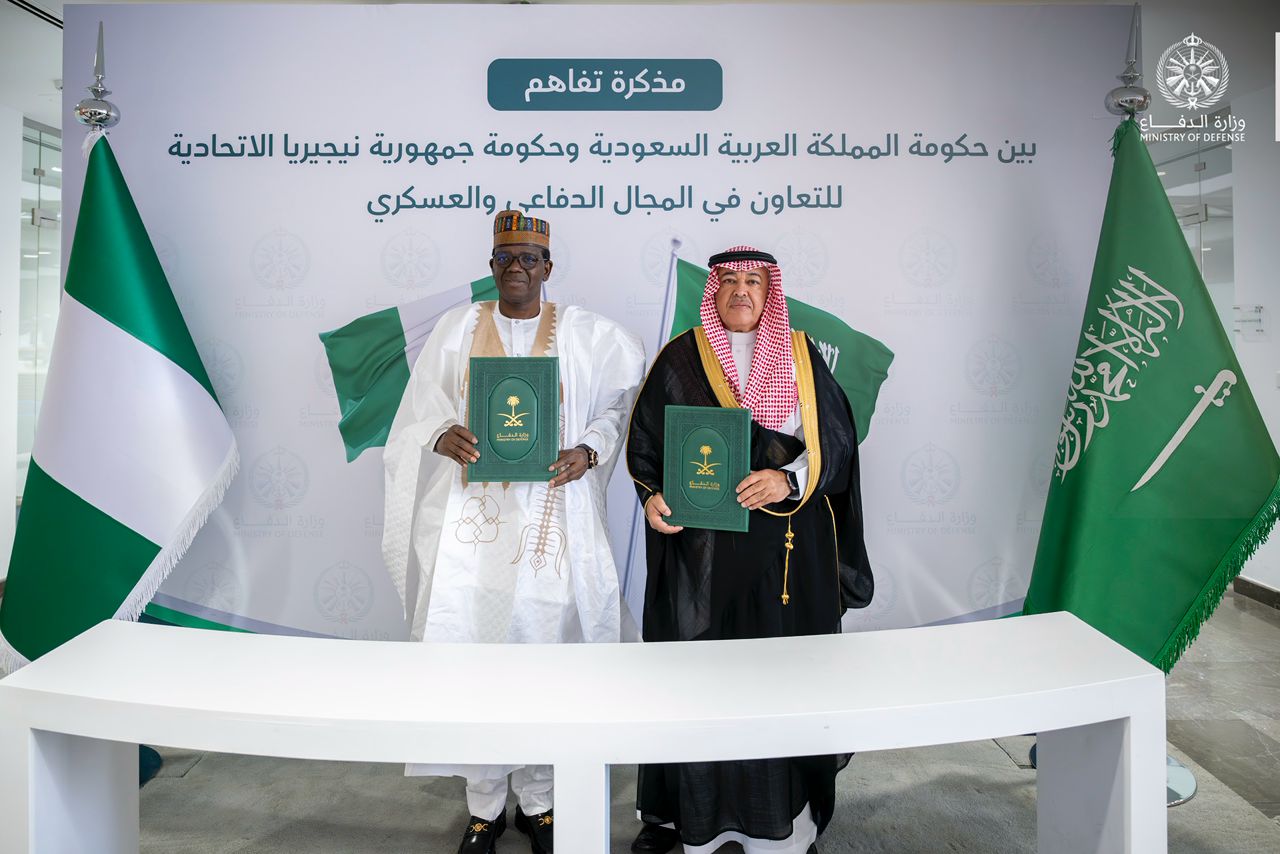
The Federal Government and the Kingdom of Saudi Arabia have signed a new Memorandum of Understanding (MoU) to strengthen defence and military cooperation between both nations.

The agreement, according to a statement by Special Assistant on media to the Minister of State, Defence, Ahmed Dan Wudil, will cover strategic collaboration across security, military training, intelligence sharing, defence production, and joint operations for sustainable security development.

The pact was signed on behalf of the Federal Republic of Nigeria by the Minister of State for Defence, Dr. Mohammed Bello Matawalle, while Dr. Khaleed H. Al-Biyari signed for the Government of the Kingdom of Saudi Arabia.

It noted that the agreement marks a significant step in boosting bilateral relations, cooperation and enhancing collaborative efforts in tackling emerging security challenges in the country.

The Defence Ministry said it welcomes the development, noting the current security challenges in some parts of the country will soon be over.

Defence Counsel Faults 21-Year Sentence as Kaduna Court Concludes 11-Year Trial

A Kaduna State High Court has sentenced three defendants to a combined 21 years in prison over charges of conspiracy and intention to commit culpable homicide in the case of The State Vs. Ayuba Barde & 5 others KDH/KAD/88C/2014 — bringing an end to a legal battle that has stretched for more than a decade and raised serious concerns over delays in Nigeria’s judicial process.

The men, arrested in January 2014, were accused of attacking the late Chief of Jere, Dr. Sa’ad Usman, his driver and an orderly along the SSC Jere–Bwari Road in Kagarko Local Government Area. The defendants consistently pleaded not guilty.

The case passed through several judges, restarted multiple times, and witnessed prolonged periods without bail. The final judgment was delivered on 19 November 2025 by Justice Buhari M. Balarabe, who found the men guilty of conspiracy and intention to commit culpable homicide. However, the court ruled that the prosecution failed to prove that the Chief’s death in April 2020 — six years after the incident — was linked to the alleged attack.

Each defendant received five years for conspiracy and ten years for intention to commit culpable homicide, to run concurrently. Despite the court acknowledging that the men had already spent 11 years in custody, the judgment means they will remain in prison for an additional decade.

Lead defence attorney, Gloria Mabeiam Ballason Esa, disagrees with the judgment, describing it as “against the weight of evidence” and “not supported by law, justice or fairness.”

“To hand down 21 years imprisonment for conspiracy and intention is not contemplated by law. Not even the devil knows the intention of the heart of man,” she said.

Ballason also raised concerns about the conduct of the proceedings, citing the refusal of the court to entertain bail applications until after the full hearing — a move she said violated constitutional guarantees of presumption of innocence and fair trial.

She further noted that no medical report establishing the cause of death of the traditional ruler was tendered in evidence, leaving what she described as “a break in the chain of causation.”

The defence argues that the unusually long duration of the case — involving repeated transfers between judges and a trial that restarted several times — undermines public confidence in the justice system. “Eleven years for a criminal trial under a democracy is simply not justifiable,” Ballason stated.

The defendants plan to appeal the judgment, with their legal team insisting there are strong grounds to challenge both the conviction and the sentencing.

The Kaduna State Ministry of Justice, represented in court by Solicitor-General J. N. Azumi Esq, declined to make comments on the record.

The case, already drawing national attention, is expected to face renewed scrutiny as it moves to the appellate courts, where legal observers say it may become a test of Nigeria’s commitment to fair trial standards and judicial reform.

Kano at a Turning Point: Building on Government Successes to Secure a Sustainable Housing Future

By Barr. Aminu Hussaini

As Kano State continues to affirm its position as one of Nigeria’s most dynamic economic and population hub, a major opportunity lies ahead: transforming its growing urban landscape through smarter planning, stronger regulation and deeper collaboration with the private sector.In recent years, the state has witnessed a rapid rise in demand for residential land, driven by population growth, urban migration and economic expansion.

While this heightened demand has encouraged private developers to supply residential plots at unprecedented scale, an increasing number of these private layouts emerged without adequate planning, infrastructure or regulatory approval, placing both residents and government agencies at risk.

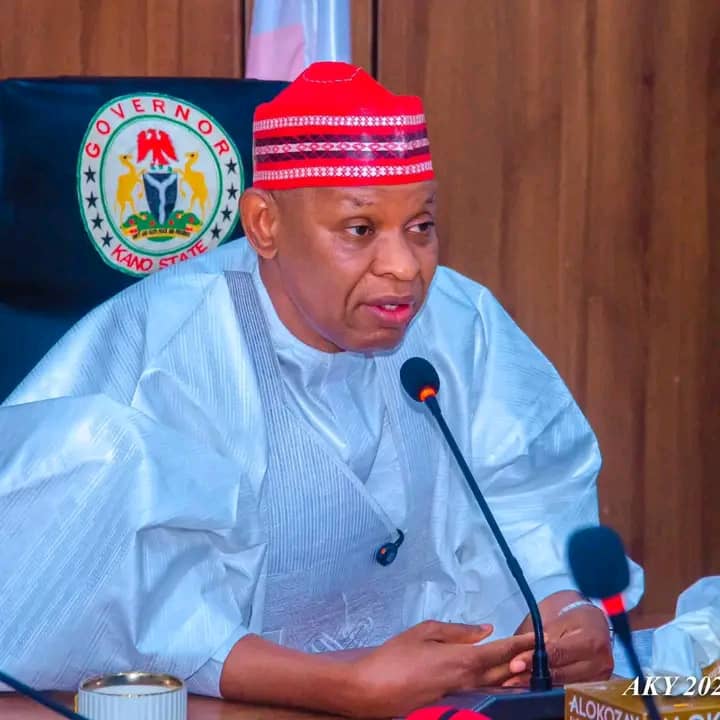
Government Achievements: A Foundation Worth CelebratingDespite these challenges, the Kano State Government under the leadership of AKY has made remarkable strides in improving land administration, urban planning and infrastructure delivery.

From digitizing key aspects of land records to strengthening the operations of land management agencies, the government has taken bold steps to enhance transparency, reduce bureaucratic bottlenecks and promote orderly development.Key achievements include the introduction of more structured land allocation processes that prioritize fairness and efficiency; revitalization of planning agencies, improving their capacity to assess and approve layouts according to modern standards and improved monitoring and enforcement against unauthorized developments, expansion of government-serviced layouts as well as provision of safer and more affordable residential options.

Why Stronger Regulation Still Matters Even with these gains, the increasing proliferation of substandard private layouts means regulation and oversight must remain a priority. Many of these unapproved layouts lack essential infrastructure and pose long-term risks.Public–Private Partnership: The Key to Sustainability One of the most important lessons from modern urban development worldwide is that government effort alone is not enough — sustainability is best achieved when public institutions and private developers work hand-in-hand.

With proper PPP frameworks, developers can co-invest in roads, drainage, energy and water systems while government ensures clear standards, oversight and incentives. Together, both sides can build high-quality and well-planned residential communities.A Shared Responsibility for a Shared FutureKano’s transformation can neither be left solely to government agencies nor entirely to private developers.

Sustainability depends on mutual responsibility, where government maintains strong oversight, private investors build responsibly and communities embrace regulated housing options.ConclusionKano stands at a pivotal moment in its development journey. The state government’s outstanding achievements in strengthening land administration and urban planning have laid a strong foundation for progress.

The next phase requires complementary partnership with private developers to sustain this momentum and ensure every resident has access to safe – modern housing.With continued government leadership and responsible private-sector participation, Kano under the AKY is set to become a national model for sustainable urban growth.

This opinion piece was written by Barrister Aminu Hussaini – Special Adviser to the Governor of Kano State – AKY on Justice/Constitutional Matters – +234 8033742424 – aminuhussaini173@gmail.com

Steady Hand In Stormy Times: The Legacy And Leadership Of General Christopher Musa (Rtd.)

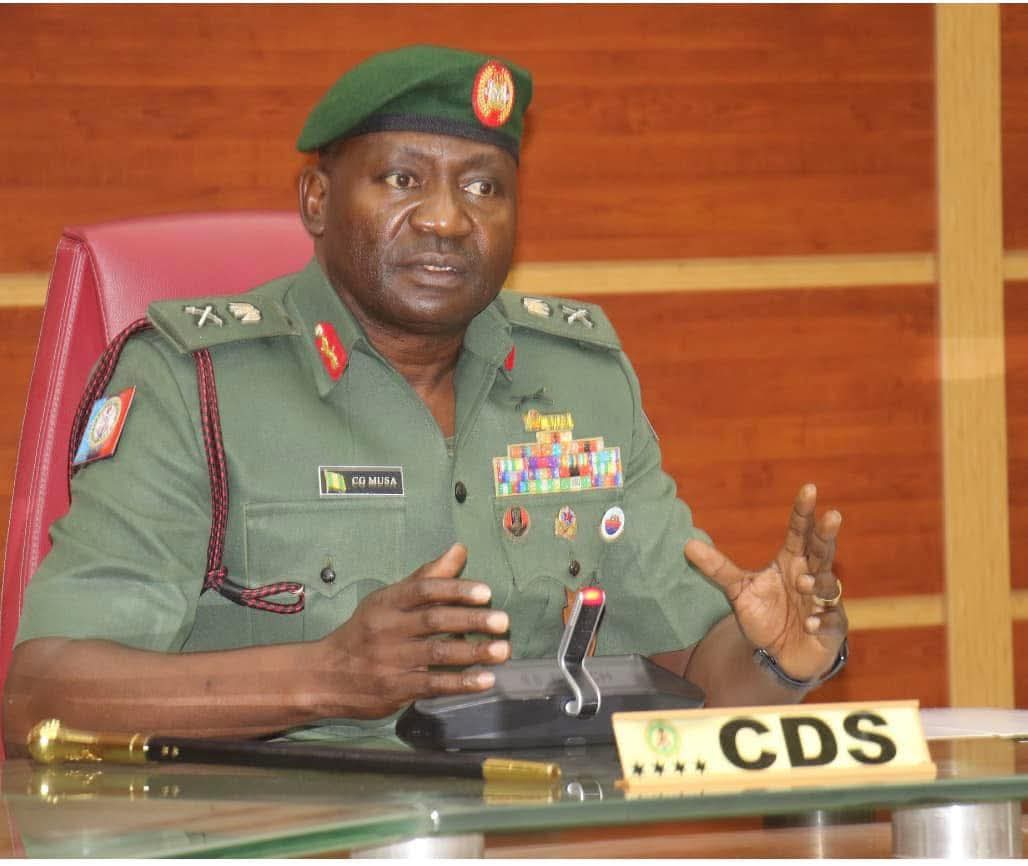
In moments when nations confront the limits of their endurance, history often turns to leaders whose lives have been shaped on the frontlines of discipline, strategy and sacrifice. General Christopher Gwabin Musa (Rtd.), Nigeria’s former Chief of Defence Staff and now Minister of Defence, stands among such figures—calm in crisis, firm under pressure and unwaveringly committed to the ideal of a secure and united Nigeria.

A Soldier Forged by Training and ExperienceGeneral Musa’s pathway into the upper echelons of Nigeria’s security architecture is the result of decades of methodical preparation. A graduate of the Nigerian Defence Academy, among the country’s toughest institutions, he also received specialized training in strategic warfare, counterterrorism and operational command both in Nigeria and abroad. His academic credentials, including coursework in defence management and national security strategy, complement a career of hands-on military experience.

It is this blend of intellectual grounding and practical command that enabled him to helm Operation Hadin Kai, the major counterinsurgency mission in the northeast, with a reputation for coordination, discipline and respect for humanitarian considerations.Bravery without SpectacleThose who served under him often describe his bravery not as the loud, chest-beating kind but as something quieter and more resolute. Musa was known for visiting forward operating bases that many senior officers only observed from afar. His presence—unannounced, unarmed beyond standard protocol and fully exposed to the same dangers as his troops—communicated a simple truth: leadership is accountability lived, not preached.

Even as he rose in the ranks, he maintained this ethos, showing the country that courage is measured not only on the battlefield but also in the willingness to take responsibility when decisions carry real-world consequences.Principles That Anchor LeadershipThree values have consistently defined his service: Professionalism – General Musa’s insistence on discipline, due process and respect for the chain of command helped restore confidence in joint operations during a period of fragmented security efforts; Integrity – known for his straightforward communication style, he routinely provided briefings grounded in facts rather than theatrics—an essential quality in an era of misinformation and national uncertainty and Humanity – Musa emphasized protecting civilians, collaborating with humanitarian agencies and ensuring that military operations aligned with Nigeria’s legal and ethical obligations.A Legacy Rooted in Service, Not PowerAcross his career, Musa has worked to professionalize the military, strengthen inter-agency intelligence sharing and promote welfare reforms for troops deployed in high-risk zones.

His tenure as Chief of Defence Staff demonstrated the potential of a security leadership that is steady even when the national mood is anxious. If his legacy has a central theme, it is this: service above self.Suitability at a Critical HourNigeria today confronts a complex security landscape—terrorism, banditry, oil theft, cyber threats and communal tensions converging into one of the nation’s most challenging periods. At such a time, the role of the Minister of Defence demands not only policy knowledge but also a deeply practical understanding of the terrain, the troops and the tactics that work.

General Musa brings decades of field command experience, proven record of coordinating multi-theatre operations, strong credibility within the armed forces as well as disciplined and principle-driven approach to national defence. These qualities do not promise miracles—but they offer something more realistic and arguably more important: competence, steadiness and an understanding of what it truly takes to safeguard a nation’s sovereignty.An Image of Hope in Difficult TimesNigeria’s insecurity challenges are steep, undeniably so.

But history shows that nations have overcome worse when guided by leaders capable of clear thinking and grounded action. General Christopher Musa (Rtd.) represents a generation of officers who understand the price of peace because they have fought through the cost of its absence. His career is a reminder that leadership, at its best, is not about promises—it is about presence, principle, and persistence.In a moment when the country seeks reassurance, his story rekindles a belief that Nigeria has within its own ranks the capacity, courage and competence to overcome the storms it faces.

No doubt, his appointment reflects political wisdom and thoughtful leadership decision from the Commander in Chief – it has reinforced public confidence and strengthened the nation’s resolve.

This opinion piece was written by Barrister Aminu Hussaini – Special Adviser to the Governor of Kano State – AKY on Justice/Constitutional Matters – +234 8033742424 – aminuhussaini173@gmail.com

Northern Forum Urges DSS to Arrest Marafa, Shinkafi Over ‘Foreign Invasion’ Remarks


By Musa Maye


A northern-based organisation, the Northern Progressive and Advancement Forum, has demanded the arrest of Nigerians alleged to be agitating for foreign invasion in the country’s security affairs.

The call was issued on Sunday in Birnin Kebbi by the group’s spokesperson, Alhaji Abubakar Yusuf, following an emergency meeting convened to review what it described as rising “treasonable statements” capable of undermining Nigeria’s sovereignty and peaceful coexistence.

Yusuf cautioned that freedom of expression and political disagreements must not be used as a shield for reckless rhetoric, especially statements he said were targeted at destabilising the nation. He accused some northern politicians—particularly from Zamfara State—of benefitting from previous political appointments but now resorting to dangerous public commentary due to personal grievances.

According to him, recent agitations have deliberately targeted the Minister of Defence, Mohammed Bello Matawalle, with critics allegedly seeking to discredit his record and contributions to ongoing security operations.

“A highly placed politician from Zamfara State, who should be offering solutions to our lingering security challenges, is instead fuelling tension and making reckless statements,” he said.

Yusuf recalled that during Matawalle’s tenure as governor, he removed a traditional ruler who had reportedly conferred a chieftaincy title on notorious bandit leader Ado Alero, arguing that such actions demonstrated the minister’s commitment to security reforms.

He also accused former APGA National Secretary, Alhaji Abdullahi Shinkafi, of publicly criticising the minister and making allegations the group described as unsubstantiated.

Condemning the utterances as harmful to national unity, the forum stressed that Matawalle holds his office legitimately with presidential approval and is working in the interest of Nigerians.

“We call on the DSS and the NIS to arrest Senator Kabiru Marafa and Alhaji Abdullahi Shinkafi and to seize their international passports for actions capable of undermining national peace and security,” Yusuf said.

The group commended President Bola Tinubu for appointing Matawalle and praised what it described as his contributions to counter-insurgency operations, noting the rescue of schoolgirls in Kebbi alongside earlier successes in Chibok, Dapchi, and Yauri.

Yusuf further applauded the President, the Nigerian Armed Forces, and other security agencies for what he termed significant progress in combating insurgency, banditry, and related crimes. He urged northerners to unite, adopt constructive approaches to their security challenges, and take advantage of available opportunities for socioeconomic development and peaceful coexistence.

Middle Belt Forum Shifts December Stakeholders Conference Over Unforeseen Development

Bulus Adam

The Middle Belt Forum (MBF) has postponed its much-anticipated December Stakeholders Conference scheduled to hold from December 10 to 12, 2025, in Akwanga, Nasarawa State.

The Forum, founded in 1947 as the umbrella body for the diverse peoples of the Middle Belt, disclosed that the decision followed “unforeseen developments” requiring resolution before the regional gathering can proceed. The event was to be hosted at Kini Country Guest Inn.

The conference was expected to bring together leaders, civil society groups, and community representatives from across the Middle Belt—a region encompassing the autochthonous ethnic nationalities of the former Northern Region who did not belong to the Sokoto or Borno Caliphates before colonial rule. These include indigenous groups from Southern Kebbi, Southern Kaduna, Southern Borno, Southern Bauchi, and communities across Gombe, Kwara, Kogi, Nasarawa, Benue, Plateau, Taraba, Niger States and the Federal Capital Territory.

In a statement issued Sunday and signed by the Chairman of the Central Organising Committee (CPC), Barrister Dan Ejembi, on behalf of MBF President Dr. Pogu Bitrus, the Forum expressed regret over the development.

“Any inconveniences caused by this unfortunate development are deeply regretted,” the notice read, assuring that a new date would be announced soon.

The MBF stressed that it remains committed to strengthening unity and building a coherent agenda for the region, adding that consultations with stakeholders will continue.

The statement was signed by the Forum’s spokesman, Luka Binniyat.