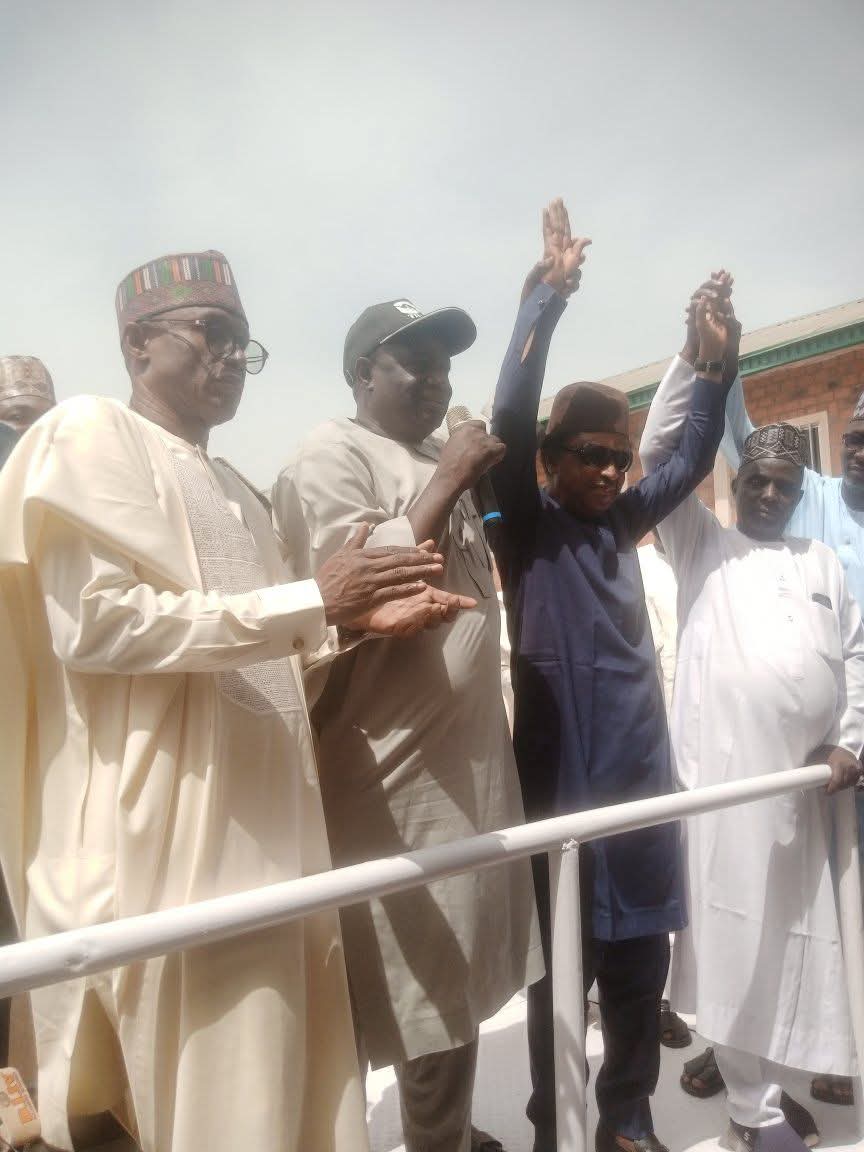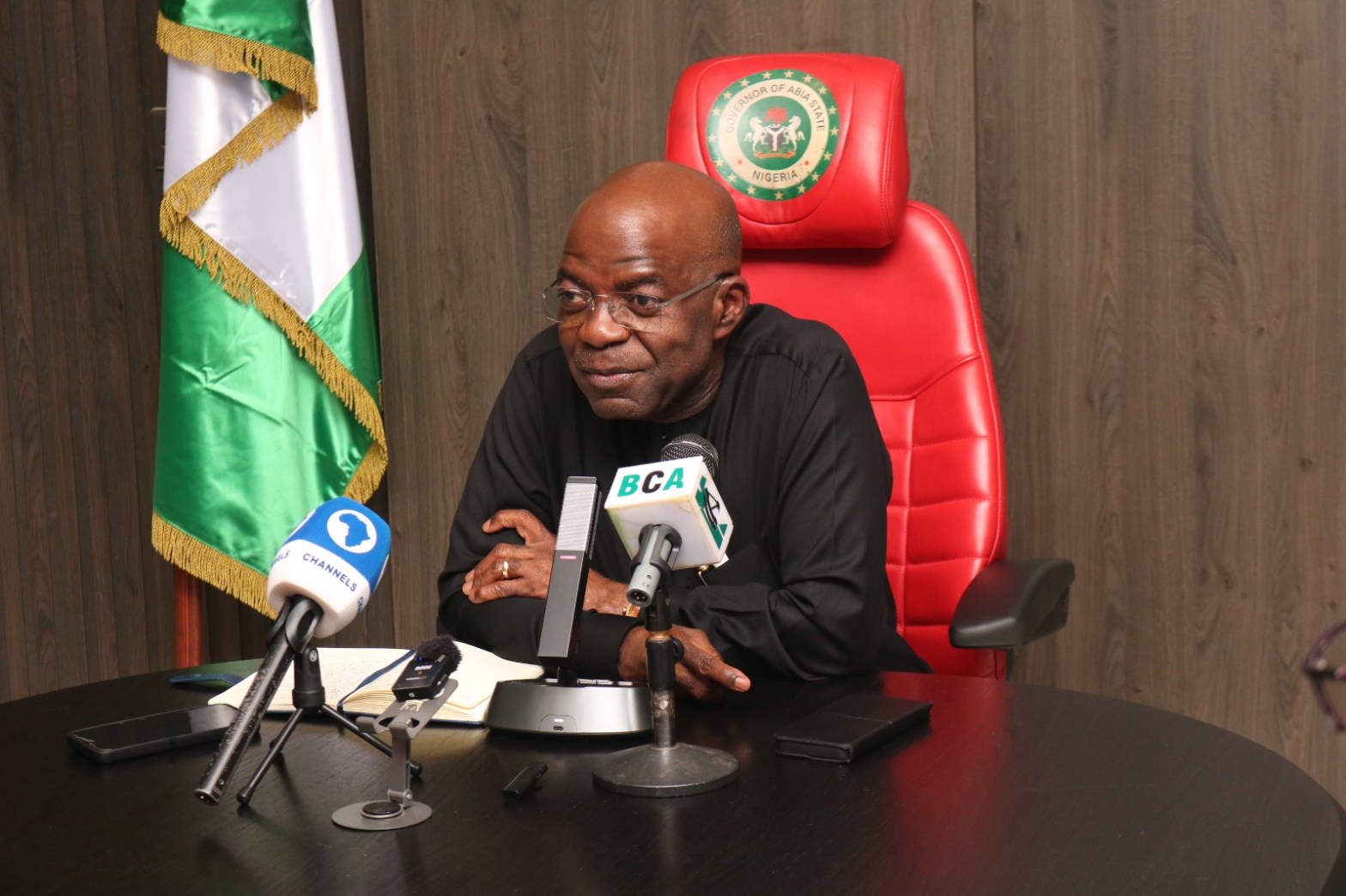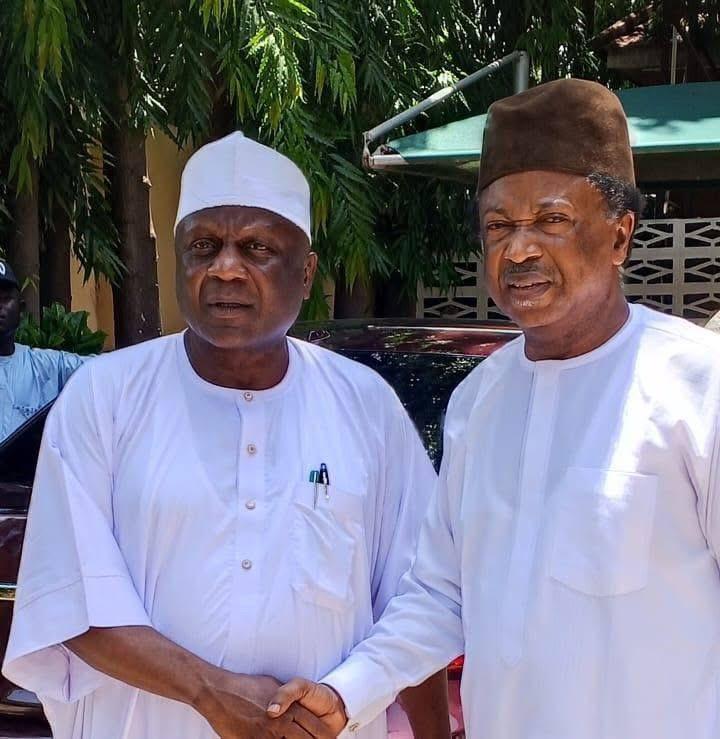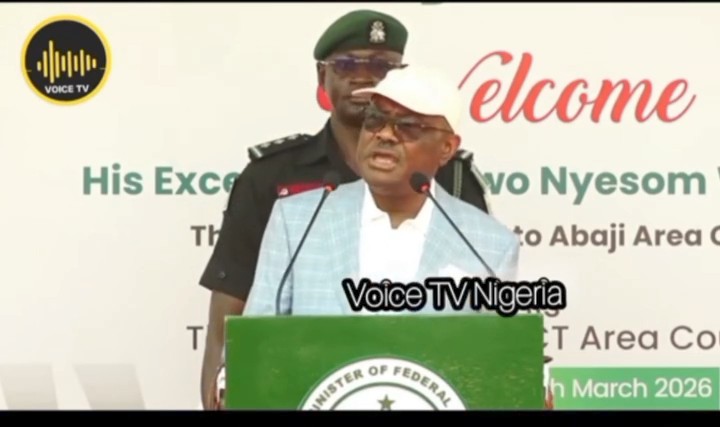
Leadership Beyond Office: The Distinctive Personas of Nuhu Ribadu and Governor Umar Namadi

By Yunusa Hamza (Farin Dutse)

Leadership in its truest sense transcends the mere occupation of public office. It is defined not simply by authority, but by the character, discipline and sense of purpose that leaders bring to governance. In Nigeria’s evolving democratic landscape, the question of leadership quality remains central to national discourse. Citizens increasingly seek leaders whose actions reflect integrity, accountability and a genuine commitment to public service.

Within this context, two contemporary public figures stand out for the clarity of their convictions and the strength of their leadership identities. The National Security Adviser, Nuhu Ribadu, and the Governor of Jigawa State, Mallam Umar Namadi, represent distinctive yet complementary approaches to leadership and governance. Although they operate in different spheres of responsibility, one at the national level and the other within the subnational space, their leadership styles demonstrate how personality and character shape policy direction and governance outcomes.

Nuhu Ribadu’s public identity has for decades been closely associated with courage, reformist zeal and an uncompromising stance on accountability. His rise to national prominence began during his tenure in the anti corruption fight, where he earned a reputation as a principled reformer determined to challenge entrenched systems of abuse and impunity.
Today, as National Security Adviser, Ribadu occupies one of the most strategic positions within Nigeria’s governance architecture. In this role, his leadership style continues to reflect the same attributes that defined his earlier public service. Discipline, institutional thinking and strategic focus remain central to his approach.

Ribadu embodies a leadership persona grounded in firmness and clarity of purpose. His approach prioritises strong institutions, coordinated security structures and long term national stability. Rather than seeking personal acclaim, his leadership reflects a technocratic orientation driven by systems, procedures and institutional discipline.
In times of national uncertainty, particularly within the complex terrain of security management, such traits inspire confidence. Ribadu’s public persona communicates seriousness of purpose and a commitment to confronting threats to national stability with resolve and strategic coordination. His leadership reminds observers that effective governance often requires leaders who are willing to confront difficult realities while strengthening the institutional frameworks that sustain the state.
While Ribadu’s leadership operates within the high stakes arena of national security, Governor Umar Namadi represents a different yet equally significant model of leadership at the state level. His governance approach reflects humility, accessibility and a deep commitment to grassroots engagement.
Governor Namadi has placed considerable emphasis on dialogue between government and citizens. One of the most notable initiatives under his administration is the Citizens Engagement Programme popularly known as Gwamnati da Jama’a. Through this initiative, citizens across Jigawa State’s twenty seven local government areas are provided with a platform to directly express their needs, concerns and expectations to government officials.

The programme also allows government to communicate its ongoing projects and policy priorities to the public. In doing so, it has strengthened transparency, accountability and citizen participation in governance. By opening channels of communication between leaders and the people, the initiative reinforces democratic values and strengthens public trust in government institutions.
Governor Namadi’s leadership identity is also distinguished by what may be described as developmental pragmatism. His administration has focused on practical governance outcomes, including infrastructure development, institutional strengthening and policies aimed at improving the socio economic wellbeing of citizens.
Rather than relying on political slogans, personality driven politics or inherited partisan loyalty, the governor has built his political relevance around governance performance. This approach has contributed to a governance narrative that emphasises steady progress, responsible management of public resources and the pursuit of sustainable development.

In a political environment where rhetoric often overshadows implementation, the emphasis on measurable outcomes represents a refreshing shift. By prioritising delivery over declaration, Governor Namadi has demonstrated that performance in governance can serve as a powerful instrument of political legitimacy.

Equally important is the political dimension of his leadership. At the level of party politics, Governor Namadi has demonstrated calculated political organisation through the consolidation of party structures and grassroots mobilisation. These efforts have strengthened political stability while reinforcing the influence of the All Progressives Congress within the state.
Notably, this consolidation has been achieved largely through governance driven legitimacy rather than coercive political tactics. Development initiatives and social programmes have simultaneously served as instruments of public service and sources of political credibility. In this sense, governance outcomes have become central to sustaining public support.

When viewed together, the leadership trajectories of Nuhu Ribadu and Umar Namadi illustrate two complementary dimensions of governance in Nigeria. Ribadu symbolises national vigilance, reform oriented thinking and institutional discipline within the country’s security architecture. Namadi represents grassroots engagement, stability and pragmatic development within the framework of subnational governance.

While Ribadu operates within the strategic theatre of national security management, Namadi functions within the practical laboratory of state administration. Yet despite these differences, both leaders share common attributes that define effective leadership. Discipline, commitment to reform and a clear departure from empty political rhetoric are among the traits that connect their approaches.

Their contrasting styles also illustrate an important truth about leadership. Governance is multidimensional. At certain moments, leadership requires firmness and the courage to confront systemic threats. At other times, it demands patience, dialogue and the steady construction of development frameworks that improve the lives of citizens.

Ribadu’s leadership energy is largely directed toward confronting threats and strengthening institutional resilience. Namadi’s leadership focuses on building structures that promote social progress and economic stability. Together, these approaches highlight the different but equally important roles that leadership can play within a functioning democracy.
Ultimately, the examples of Nuhu Ribadu and Umar Namadi underscore a fundamental lesson for Nigeria’s leadership culture. Leadership that is anchored in character often proves more enduring than leadership driven solely by charisma. Institutions grow stronger where leaders choose structure over spectacle and governance over personal acclaim.

As Nigeria continues to navigate complex governance challenges, the importance of disciplined and purposeful leadership cannot be overstated. The experiences of Ribadu and Namadi demonstrate that effective leadership does not always announce itself loudly. Sometimes it appears in decisive action to protect national stability. At other times it emerges through patient engagement with citizens and the steady pursuit of development.
In both cases, the defining factor remains the same. Leadership is most impactful when it is authentic, disciplined and aligned with the responsibilities of public office. In a democratic society striving for stronger institutions and accountable governance, such leadership remains not only desirable but essential.

Yunusa Hamza (Tafidan Farin Dutse)
Gwaram Local Government Area
Jigawa State
08034445493
yunusafarindutse@gmail.com

Coalition of Youths From North Defend Kyari, Warn Senate Against ‘Political Witch-Hunt’ Over Alleged NNPCL Discrepancies

A coalition of northern youth groups has cautioned the Nigerian Senate against what it described as attempts to politically target former Nigerian National Petroleum Company Limited (NNPCL) Group Chief Executive Officer, Mele Kyari, over alleged discrepancies in the company’s audited financial statements.

The groups, led by the Arewa Youth Assembly for Good Leadership (AYAGL), issued the warning in a press statement on Saturday in Abuja in collaboration with the Forum for Youth Development, Unity and Peace Initiative and 21 other civil society organizations.

The statement, signed by the president of the assembly, Amb. Abdul Danbature, expressed concern over the decision by the Senate to summon Kyari in relation to alleged discrepancies amounting to ₦210 trillion in the financial records of the Nigerian National Petroleum Company Limited.

According to the groups, there has been a growing trend of blackmail and politically motivated accusations aimed at discrediting individuals who have served the country.

“We believe it is important to caution against the growing trend of blackmail, politically motivated accusations and deliberate attempts to discredit individuals who have served this country with dedication,” the statement said.

The youth groups insisted that Kyari demonstrated strong commitment to reforming Nigeria’s oil and gas sector during his tenure as head of the national oil company.

They cited several achievements under his leadership, including the transition of the former Nigerian National Petroleum Corporation into a limited liability company in line with the Petroleum Industry Act, the rehabilitation of Nigeria’s refineries, and efforts to improve transparency and monitoring in crude oil production.

The coalition also credited Kyari with expanding gas infrastructure, strengthening energy security and promoting local participation and youth engagement within the oil and gas industry.

The groups described the former NNPCL chief as a patriotic Nigerian who supported the policies of President Bola Ahmed Tinubu, particularly the administration’s Renewed Hope Agenda aimed at repositioning the country for sustainable economic growth.

They further noted that Kyari had consistently encouraged young Nigerians and supported youth leadership opportunities in strategic sectors of the economy.

“It is unfortunate that after years of service to the nation, attempts are now being made to drag his name into unnecessary controversies capable of distracting him from enjoying his well-deserved retirement,” the statement added.

While acknowledging the constitutional oversight powers of the Senate, the groups urged lawmakers to avoid using such powers for what they described as political witch-hunt or character assassination.

They also called on the Senate to concentrate on pressing national challenges, particularly insecurity affecting communities across northern Nigeria and other parts of the country.

The coalition urged Nigerians to treat the allegations against Kyari with caution and resist attempts by individuals or groups seeking to manipulate public opinion for personal or political interests.

The groups further appealed to relevant institutions to allow the former NNPCL chief to enjoy his retirement without harassment or undue distractions.

“Nigeria must always recognize and respect those who have dedicated their time and expertise to national service,” the statement concluded.

Respect Kyari’s Retirement, Stop Political Vendetta, Group Tells Senate

A civic advocacy group, Retirees Dignity Promoters (RDP), has urged the Nigerian Senate to halt what it termed a politically motivated vendetta against the immediate past Group Chief Executive Officer of the Nigerian National Petroleum Company Limited, Mele Kyari.

The group said it was troubling that the Senate committee probing alleged financial issues linked to the national oil company appears determined to overlook the unprecedented openness that characterised Kyari’s tenure.

In a statement signed by its Chairman Moses Epenyoung and issued in Abuja, RDP said Nigerians witnessed a historic shift during Kyari’s leadership when the oil giant began publishing detailed monthly financial and operational reports, openly disclosing revenues, remittances and expenditure — a practice that had never existed before.

“For decades, Nigerians knew virtually nothing about the income, operations and spending of the national oil company. That culture of secrecy changed under Kyari,” the group said.

RDP said it was therefore surprising that lawmakers were now ignoring that transparency legacy while resorting to threats of arrest warrants, a move the group described as politically coloured.

The group also recalled that when the Economic and Financial Crimes Commission invited Kyari last year over industry matters, he voluntarily honoured the invitation shortly after returning from an overseas trip, demonstrating that he had nothing to hide.

According to RDP, the Senate must avoid actions that create the impression of political intimidation, especially as the country gradually approaches another election season.

“Kyari helped open the books of Nigeria’s oil sector. He should be allowed to enjoy his retirement in peace,” the statement added.

Nigeria Awards Contract for Construction of First Military Jetty in Lagos, Aiming to Boost Local Arms Production

By Musa Maye

Nigeria has officially awarded the contract for the construction of its first Military Jetty, moving forward with plans to build the facility near Tin Can Island Port in Lagos as part of a broader strategy to strengthen indigenous defence manufacturing capacity.

The Chief Executive Officer of the Defence Industries Corporation of Nigeria–D7G (DICON-D7G), Mr. Osman Chennar, on Tuesday led members of the corporation’s Board of Directors on an inspection of the proposed project site, describing the initiative as a “strategic game changer” for Nigeria’s defence logistics and local arms production.

The jetty, which is expected to be officially launched in June 2026, is designed to serve as a dedicated maritime logistics facility supporting the importation of components, raw materials and specialised equipment needed for the local manufacturing of military hardware.

Speaking with journalists during the inspection visit, Chennar said the facility would play a critical role in strengthening Nigeria’s defence supply chain while accelerating the country’s push toward military self-reliance.

“This Military Jetty is a strategic enabler. It will significantly enhance our inbound logistics by allowing seamless importation of Completely Knocked Down (CKD) and Semi-Knocked Down (SKD) components, raw materials and other essential supplies required for local assembly and full-scale production,” he said.

According to him, the jetty will reduce cargo turnaround time, cut transportation costs and streamline logistics operations for defence manufacturing.

The project site, located close to Tin Can Island Port—one of West Africa’s busiest maritime corridors—is expected to provide direct maritime access for defence-related cargo entering Nigeria.

Officials say the strategic location will allow DICON-D7G to efficiently receive specialised equipment and materials used in the production and assembly of military hardware.

Chennar disclosed that the jetty would support the local production of a wide range of defence systems, including small and medium arms, ammunition, tactical drones, anti-jamming drone systems and armoured vehicles such as 4×4 and 6×6 Mine-Resistant Ambush Protected (MRAP) vehicles.

He also revealed that DICON-D7G has already commenced production of DG103 rifles at its manufacturing facility in Kaduna, with plans to supply the Nigerian Armed Forces and export to other African countries.

“At full capacity, the jetty project will create employment for over 2,000 retired military personnel and about 5,000 skilled civilian workers,” Chennar said.

“Beyond job creation, it will enable us to produce thousands of military-grade weapons and ammunition to sufficiently equip the Armed Forces of Nigeria and also export to friendly African nations.”

Security analysts say the project reflects Nigeria’s growing determination to reduce its dependence on foreign defence suppliers while building a sustainable domestic military industrial base.

For decades, Nigeria has relied heavily on imported weapons systems and equipment, often facing delays, procurement bottlenecks and foreign exchange constraints.

By expanding local production capacity, the government hopes to improve operational readiness for the military while strengthening the country’s defence economy.

A member of the DICON-D7G Board of Directors, Major General Mainasara Abdul Masanawa (Rtd), said the jetty would serve not only as a logistics hub but also as an export gateway for Nigerian-made defence products.

“This project reinforces Nigeria’s position as a regional defence manufacturing hub,” Masanawa said.

“It will deepen cooperation with allied African countries while reducing our reliance on foreign sources for defence equipment.”

He noted that the initiative aligns with the broader objective of President Bola Ahmed Tinubu’s Renewed Hope Agenda, which places emphasis on defence industrial self-reliance and national security.

Masanawa added that expanding domestic manufacturing will also reduce the pressure on Nigeria’s foreign exchange reserves by lowering the country’s dependence on imported military hardware.

“By strengthening local production capacity, we will reduce foreign exchange expenditure on defence imports, build local technical expertise, stimulate technology transfer and enhance national security through sustainable, homegrown solutions,” he said.

Industry observers say the proposed jetty could become a critical component of Nigeria’s emerging defence industrial ecosystem, linking maritime logistics directly with manufacturing facilities across the country.

If successfully completed, the facility is expected to improve the efficiency of defence supply chains while positioning Nigeria as a potential exporter of military equipment within Africa.

With the project scheduled for launch in mid-2026, defence stakeholders say the development could mark the beginning of a new phase in Nigeria’s effort to build a resilient and self-sustaining defence industry.

Group Hails REA Boss Abba Aliyu as Northern States Record Widespread Electration

By Our Correspondent

The Arewa Youth Assembly for Good Leadership (AYAGL) has declared its solidarity with the Managing Director/Chief Executive Officer of the Rural Electrification Agency (REA), Abba Aliyu, citing what it described as his impactful leadership and significant strides in expanding rural electrification across Nigeria.

In a world press statement issued in Abuja on Monday, the youth group said its decision followed extensive consultations with Northern elders, youth leaders, and key stakeholders across the region.

According to the Assembly, Aliyu has demonstrated “uncommon commitment, transparency, and a results-driven leadership style” since assuming office, accelerating the implementation of renewable energy and rural electrification projects nationwide.

The group particularly commended the REA’s reported expansion of electricity access to underserved communities, noting that several projects under the current leadership have extended beyond rural households to critical public institutions such as hospitals, universities, and other essential facilities.

These interventions, it said, have contributed to improved healthcare delivery, enhanced educational outcomes, and increased economic productivity.

The Assembly further stated that available records and stakeholder observations indicate that Aliyu is the first head of the Agency to oversee electrification projects across all states in Northern Nigeria while simultaneously expanding implementation nationwide.

“These achievements deserve recognition and continued support,” the statement read, adding that the agency’s efforts align with the Renewed Hope Agenda of President Bola Ahmed Tinubu, particularly in the areas of energy access, economic inclusion, and national development.

As a youth-driven movement, the group called on Northern youths and young Nigerians across the country, as well as civil society organisations and community leaders, to support ongoing efforts to deepen rural electrification and sustainable energy development.

The Assembly emphasised that energy access remains a critical driver of economic growth and social transformation, urging stakeholders to prioritise unity and constructive engagement in advancing national development goals.

It also reaffirmed its support for the leadership of the Rural Electrification Agency, encouraging Aliyu to remain focused and committed to expanding electricity access to rural communities, educational institutions, healthcare facilities, and businesses across Nigeria.

The statement which was signed by the President of the Assembly, Ambassador Abdul Danbature concluded by saying,

“Together, we can light up Nigeria and empower our people.”

Renewed Hope Ambassadors inspect Abuja Secretariat, Governors, Senators and Stakeholders Attend*

The leadership of the Renewed Hope Ambassadors, under the guidance of the Governor of Imo State, Senator Hope Uzodinma, on Friday carried out a strategic inspection of the group’s Abuja Secretariat.

This marks a significant step in consolidating the nationwide grassroots mobilisation drive recently unveiled by President Bola Ahmed Tinubu under his Renewed Hope Agenda.

The inspection signals the formal activation of the Secretariat as a national coordination hub for the movement’s outreach, stakeholder engagement, and policy communication efforts across the six geopolitical zones.

It comes at a critical time, as the administration intensifies efforts to communicate ongoing reforms and deepen citizen participation in governance.

The visit was coordinated by the Director General of the Energy Commission of Nigeria (ECN), Dr. Mustapha Abdullahi, whose role in galvanising institutional and political support reflects the growing synergy between government policy drivers and grassroots mobilisation structures.

Dr. Abdullahi emphasised the importance of aligning advocacy, public enlightenment, and stakeholder engagement with the administration’s broader economic transformation objectives.

In attendance were prominent political leaders and influential voices within the ruling party and the national polity, including former Governor of Katsina State, Rt. Hon. Aminu Bello Masari; former Governor of Nasarawa State, Senator Tanko Al-Makura; former Senate President, Senator Pius Anyim; Senator Olubunmi Adetunmbi; Special Adviser to the President on Media and Public Communications, Mr. Sunday Dare; and Senior Special Assistant to the President on New Media, Mr. Otega Ogra.

Their presence underscored a broad coalition of political experience and strategic communication expertise, reinforcing the Renewed Hope Ambassadors’ mandate to serve as a bridge between government policies and the Nigerian people.

Observers note that the initiative is designed not merely as a political support structure, but as a platform for policy advocacy, citizen feedback, and structured engagement aimed at translating the Renewed Hope Agenda into tangible community-level impact.

Key focus areas include economic recovery, energy transition, youth empowerment, infrastructure development, food security, and digital innovation.

The convergence of governors, senators, presidential media aides, and zonal coordinators highlights the expanding momentum behind the initiative and reflects a coordinated effort to institutionalize grassroots participation in governance.

As the Secretariat becomes fully operational, expectations are high that the Renewed Hope Ambassadors will play a pivotal role in mobilising national consensus, strengthening party cohesion, and sustaining public confidence in the administration’s reform agenda.

The Abuja inspection therefore represents more than a routine visit — it signals the operational take-off of a nationwide movement structured to drive engagement, amplify government achievements, and consolidate support for President Tinubu’s vision of inclusive growth and national renewal.

“Reform Police or Fail the People”: Kaduna Stakeholders Demand Action on Insecurity and Accountability

Grace Musa


Stakeholders in Kaduna State have called for measurable police reforms, stronger accountability mechanisms and full compliance with criminal justice standards as part of efforts to address growing insecurity in the state.

The call was made during a two-day Citizens’ Engagement on Community Policing Practice and Reform Agenda organised by the CLEEN Foundation in Kaduna.


Rebuilding Trust Between Citizens and Police

Speaking at the event, the Executive Director of CLEEN Foundation, Peter Maduoma, said effective policing cannot succeed without rebuilding trust between citizens and law enforcement agencies.

Maduoma who spoke through the Senior Program Officer at the Foundation, Bernard Ekoboy, noted that although the Police Act 2020 provides a framework for reform, security realities in states such as Kaduna remain complex, with persistent cases of banditry, communal clashes, farmer–herder tensions and urban crime.

According to him, weak communication channels and ineffective feedback mechanisms have deepened mistrust between communities and the police.

“Our goal is to move beyond complaints to actionable solutions,” Maduoma said, adding that the forum was structured to generate a Charter of Demands outlining expectations for police professionalism and defining community oversight responsibilities.

He urged officers of the Nigeria Police Force to view citizens’ feedback as constructive input for institutional improvement, while encouraging civil society groups to promote responsible engagement and discourage the spread of misinformation.


Human Rights and Justice Standards

In his remarks, Dr Terngu Gwar, Kaduna State Coordinator of the National Human Rights Commission and Chairman of the Kaduna Administration of Criminal Justice Law (ACJL) State Level Working Group, emphasised that security and human rights must be mutually reinforcing.

He stressed the importance of implementing the Administration of Criminal Justice Law, noting that it sets standards for lawful arrests, detention procedures, bail conditions, access to legal representation and protection of vulnerable persons.

Gwar said adherence to these safeguards would strengthen public confidence in the justice system, while violations such as unlawful detention and torture undermine legitimacy and cooperation.

He also acknowledged operational challenges facing the police, including personnel shortages, funding constraints, welfare concerns and increasingly sophisticated criminal networks.


Police Commit to Joint Effort

Receiving the charter of demand on Police-Community Relations on behalf of the Kaduna State Police Command, Assistant Commissioner of Police in charge of Administration and Finance, Abdulkadir Yahaya, described policing as a joint effort.

He urged the community to see the police as one of them and help them to make society safer by providing them with authentic information.

Chairman of the Police-Community Relations Committee in the State, Sanusi Muhammed, called for regular community dialogue to strengthen the existing relationship with the Police.

He was particularly concerned that inadequate information from the police to the members of the society hinders community policing.

“A situation whereby an arrested criminal suspect finds his way back into the society without information on why that happened further pitch the Police against the people,” he said.


Call for Funding, Intelligence and Capacity Building

Earlier, Chairperson of the Federation of Women Lawyers, Barrister Funke Bamikole, harped on improved funding, intelligence gathering and regular capacity building for men and officers of the Nigerian Police.


Priority Areas for Reform

Participants at the engagement which include representatives of the Nigerian Police Force, Nigerian Bar Association, Federation of Women Lawyers, Media, Civil Society among others identified restoring public trust, strengthening accountability systems and deepening civic responsibility as priority areas for reform.

Operation 19 Million Votes Commends Appointment of Uba Sani as Deputy DG,

…Says Move Boosts National Mobilisation and Renewed Hope Agenda

A prominent political advocacy group, Operation 19 Million Votes, has warmly welcomed the recent appointment of Uba Sani, Governor of Kaduna State, as Deputy Director-General and Renewed Hope Ambassador in the All Progressives Congress (APC) mobilisation structure, saying the development is set to strengthen national confidence, deepen youth engagement and galvanise support for the party’s agenda ahead of the 2027 general elections.

President Bola Ahmed Tinubu, as National Leader of the APC, on February 17, 2026, appointed Governor Sani to serve as Deputy Director-General (Deputy DG) of the Renewed Hope Ambassadors,a strategic outreach, engagement and mobilisation arm of the ruling party, in recognition of his “leadership and organisational abilities.” The appointment took effect immediately.

In a statement released by Operation 19 Million Votes today, the group described the appointment as timely and visionary, stating that Governor Sani’s political experience and grassroots appeal will be invaluable in strengthening the party’s footprint across Nigeria’s six geopolitical zones.

According to the group’s national spokesperson, Comrade Haruna Musa Mohammed,the Renewed Hope Ambassadors initiative, which is charged with promoting the APC’s policy achievements and engaging citizens nationwide , requires leaders with broad national appeal, strategic insight, and credibility among diverse constituencies.

The appointment of Sani, who hails from the North West and enjoys bipartisan respect, was said to reflect a commitment to inclusive leadership. The elders and youth wings of the organisation further noted that Gov. Sani’s mobilisational capacities particularly among young voters and traditional leaders will be an asset in shaping favourable perceptions of governance programmes under the Renewed Hope Agenda.

The statement further stated,”Operation 19 Million Votes emphasised that the renewed Hope Ambassadors structure must focus on substantive engagements on governance impact, job creation, security dialogue, and voter education, particularly at the grassroots and community levels , areas the group believes will determine electoral outcomes in 2027.

“We believe that the appointment of Governor Uba Sani is not just symbolic but strategic. His role as Deputy Director-General and Renewed Hope Ambassador places him at the centre of public assurance, enabling constructive dialogue between government policies and citizens’ daily realities.”

President Tinubu, in a congratulatory letter to Governor Sani, tasked him with galvanising, promoting and disseminating the party’s programmes, policies, milestones and achievements nationwide, with the goal of strengthening public confidence and reinforcing the Renewed Hope message across the country.

According to the statement,the appointment is also part of broader party efforts to position the APC effectively ahead of the 2027 elections, underscoring the importance of unity and coordinated outreach strategies among key party stakeholders.

Governor Sani ,who was elected Governor of Kaduna State in 2023 , has been involved in national party affairs over time and is seen by supporters as a consensus builder who can bridge divides among party structures and regional interests.

The advocacy group’s endorsement of his appointment signals early support from key civil society actors, highlighting the growing intersection between organised civic action and mainstream political mobilisation in Nigeria’s evolving democratic landscape.

Renewed Hope Initiatives: President Ahmed Tinubu and the Solarization Drive in Nigeria’s Energy Sector

Since assuming office in May 2023, President Bola Ahmed Tinubu has positioned energy reform as a cornerstone of his administration’s economic transformation agenda. Among the most consequential initiatives is the accelerated push toward solarization—the large-scale deployment of solar energy systems across public institutions, rural communities, and critical infrastructure. In a country long challenged by unreliable grid electricity, high diesel costs, and energy poverty, the solarization project represents both an economic and social intervention with far-reaching gains.

In actualizing these gains, the Renewed Hope Agenda, President Bola Ahmed Tinubu saw the need to appoint someone with the right capacity, knowledge and verve to lead the sectors drive towards solarization of the nation, for a more focused sector that will ensure steady energy supply to all Nigerians. The President, Asiwaju Bola Ahmed Tinubu was therefore, applauded for his choice of Engineer Abdullahi Mustapha as Director General and Chief Executive Officer of the Energy Commission of Nigeria, ECN and, the choice of appointment has not failed in the task assigned him.

  1. Expanding Energy Access and Reducing Energy Poverty
    Nigeria has historically struggled with inadequate electricity generation and distribution, with millions of citizens lacking reliable access to power. The solarization initiative, supported through federal programs and partnerships with development finance institutions, aims to bridge this gap by:

. Deploying off-grid and mini-grid solar systems in rural and underserved communities
. Installing solar panels in schools, primary healthcare centers, and government facilities
. Supporting decentralized renewable energy solutions where grid extension is impractical
By prioritizing solar in rural electrification, the Tinubu administration has strengthened Nigeria’s progress toward universal energy access. Solar mini-grids have empowered small businesses, improved healthcare delivery (through reliable cold storage for vaccines and lighting for surgeries), and enabled students to study after dark.
The shift to decentralized solar solutions reduces overreliance on the national grid, which remains constrained by aging infrastructure and transmission bottlenecks.

  1. Fiscal Savings and Reduced Diesel Dependence
    One of the most significant gains of the solarization project is cost reduction in public sector energy consumption. Federal ministries, departments, and agencies have traditionally relied heavily on diesel generators due to inconsistent grid supply. This has led to:
    . recurrent fuel expenditure
    . Maintenance costs for generators
    . Exposure to fluctuating diesel prices
    Solar installations under the Tinubu administration are gradually lowering these operational costs. By replacing diesel generators with photovoltaic systems and battery storage, government institutions reduce long-term energy spending. These savings can be redirected toward social services, infrastructure, and economic development.
    Additionally, reduced diesel use lowers Nigeria’s demand for imported refined petroleum products, supporting broader macroeconomic stability and foreign exchange conservation.
  2. Boosting Economic Productivity and MSMEs
    Solarization contributes directly to economic productivity, especially among micro, small, and medium-sized enterprises (MSMEs). In markets and commercial clusters where power outages are frequent, solar-powered solutions provide:
    Reliable lighting for extended business hours
    Power for refrigeration, welding, tailoring, and agro-processing
    Reduced operational costs compared to generator use
    Lower energy costs increase profitability for small businesses and improve job retention. This aligns with President Tinubu’s broader economic reform agenda, which emphasizes private-sector growth and industrial competitiveness.
    In agricultural communities, solar-powered irrigation systems and cold storage facilities enhance food preservation and reduce post-harvest losses—an important contribution to food security.
  3. Environmental and Climate Benefits
    Nigeria is a signatory to international climate agreements and has committed to reducing greenhouse gas emissions. The solarization project strengthens Nigeria’s transition toward cleaner energy sources by:
    Lowering carbon emissions from diesel generators
    Reducing air pollution in densely populated areas
    Supporting sustainable development goals
    Solar power, as a renewable and low-emission source, aligns with global energy transition trends. Under Tinubu’s leadership, renewable energy deployment sends a signal to investors that Nigeria is open to green finance and climate-aligned investments.
    The environmental gains also translate into public health benefits, as reduced generator fumes mean lower exposure to particulate pollution in homes, offices, and markets.
  4. Strengthening Energy Security and Diversification
    Nigeria’s energy paradox—being an oil-producing nation with persistent electricity shortages—has long hindered economic growth. The solarization project contributes to energy diversification, reducing dependence on gas-fired power plants and vulnerable transmission infrastructure.
    Solar systems distributed across regions create a more resilient energy ecosystem. Unlike centralized power plants that can disrupt large areas if they fail, decentralized solar installations:
    Limit systemic blackouts
    Improve localized energy reliability
    Enhance disaster resilience
    This diversification strengthens national energy security and supports long-term stability in the power sector.
  5. Attraction of Investment and Private Sector Participation
    The administration’s emphasis on renewable energy has encouraged investor interest in Nigeria’s solar market. Through policy reforms, regulatory clarity, and partnerships with international development agencies, the government has:
    Facilitated financing for solar mini-grids
    Encouraged public-private partnerships
    Promoted local assembly and manufacturing of solar components
    Increased investor confidence is critical in a capital-intensive sector like energy. By creating an enabling environment, the solarization drive helps unlock domestic and foreign investment, fostering innovation and competition.
  6. Job Creation and Skills Development
    The expansion of solar infrastructure generates employment across multiple segments:
    Solar panel installation technicians
    Engineers and project managers
    Maintenance personnel
    Local manufacturing and assembly workers
    Training programs associated with solar deployment help build technical capacity among Nigerian youth. This not only reduces unemployment but also cultivates a workforce equipped for the global green economy.
    The renewable energy sector’s growth diversifies Nigeria’s labor market beyond oil and gas, making the economy more adaptable to global shifts.
  7. Support for Public Institutions and Social Infrastructure
    Under President Tinubu’s broader reform agenda, solarization has been integrated into national development priorities, including education and healthcare. Solar-powered public institutions benefit from:
    Uninterrupted lighting in hospitals and clinics
    Reliable electricity for diagnostic equipment
    Digital learning tools in schools
    These improvements enhance service delivery, especially in rural communities where grid power may be unreliable or nonexistent. Stable electricity enables digital governance, improves administrative efficiency, and supports modern public service systems.
  8. Long-Term Structural Reform of the Power Sector
    Solarization complements ongoing structural reforms in Nigeria’s power sector. By encouraging decentralized energy solutions, the administration reduces pressure on a grid that has struggled with transmission capacity constraints and distribution inefficiencies.
    Furthermore, renewable expansion fosters competition and innovation, challenging traditional power supply models. Over time, this diversification may contribute to:
    Improved electricity reliability
    More cost-reflective tariffs
    Increased consumer choice
    The solarization project, therefore, is not merely an environmental initiative but part of a broader restructuring of Nigeria’s electricity landscape.
    Conclusion
    President Bola Ahmed Tinubu’s solarization initiative marks a strategic shift in Nigeria’s energy policy—one that prioritizes renewable energy, fiscal efficiency, and decentralized access. The gains are multidimensional:
    Expanded energy access in underserved communities
    Reduced diesel dependence and fiscal savings
    Improved productivity for small businesses
    Environmental sustainability and climate alignment
    Enhanced energy security and diversification
    Increased investment and job creation
    While challenges remain—including financing scale, maintenance capacity, and regulatory coordination—the solarization project represents a significant step toward a more reliable, inclusive, and sustainable energy future for Nigeria.
    In positioning solar energy as a central pillar of national development, the Tinubu administration underscores the transformative potential of renewables in addressing long-standing power sector deficiencies. If sustained and effectively implemented, the solarization drive could become one of the defining energy reforms of his presidency.
    Stakeholders within the energy sector have continued to commend the DG/CEO of ECN for his commendable strides since his assumption into office especially with the solarization drive and renewable energy for all Nigerians.

Renewed Hope Initiatives: President Ahmed Tinubu and the Solarization Drive in Nigeria’s Energy Sector

Since assuming office in May 2023, President Bola Ahmed Tinubu has positioned energy reform as a cornerstone of his administration’s economic transformation agenda. Among the most consequential initiatives is the accelerated push toward solarization—the large-scale deployment of solar energy systems across public institutions, rural communities, and critical infrastructure. In a country long challenged by unreliable grid electricity, high diesel costs, and energy poverty, the solarization project represents both an economic and social intervention with far-reaching gains.

In actualizing these gains, the Renewed Hope Agenda, President Bola Ahmed Tinubu saw the need to appoint someone with the right capacity, knowledge and verve to lead the sectors drive towards solarization of the nation, for a more focused sector that will ensure steady energy supply to all Nigerians. The President, Asiwaju Bola Ahmed Tinubu was therefore, applauded for his choice of Engineer Abdullahi Mustapha as Director General and Chief Executive Officer of the Energy Commission of Nigeria, ECN and, the choice of appointment has not failed in the task assigned him.

  1. Expanding Energy Access and Reducing Energy Poverty
    Nigeria has historically struggled with inadequate electricity generation and distribution, with millions of citizens lacking reliable access to power. The solarization initiative, supported through federal programs and partnerships with development finance institutions, aims to bridge this gap by:

. Deploying off-grid and mini-grid solar systems in rural and underserved communities
. Installing solar panels in schools, primary healthcare centers, and government facilities
. Supporting decentralized renewable energy solutions where grid extension is impractical
By prioritizing solar in rural electrification, the Tinubu administration has strengthened Nigeria’s progress toward universal energy access. Solar mini-grids have empowered small businesses, improved healthcare delivery (through reliable cold storage for vaccines and lighting for surgeries), and enabled students to study after dark.
The shift to decentralized solar solutions reduces overreliance on the national grid, which remains constrained by aging infrastructure and transmission bottlenecks.

  1. Fiscal Savings and Reduced Diesel Dependence
    One of the most significant gains of the solarization project is cost reduction in public sector energy consumption. Federal ministries, departments, and agencies have traditionally relied heavily on diesel generators due to inconsistent grid supply. This has led to:
    . recurrent fuel expenditure
    . Maintenance costs for generators
    . Exposure to fluctuating diesel prices
    Solar installations under the Tinubu administration are gradually lowering these operational costs. By replacing diesel generators with photovoltaic systems and battery storage, government institutions reduce long-term energy spending. These savings can be redirected toward social services, infrastructure, and economic development.
    Additionally, reduced diesel use lowers Nigeria’s demand for imported refined petroleum products, supporting broader macroeconomic stability and foreign exchange conservation.
  2. Boosting Economic Productivity and MSMEs
    Solarization contributes directly to economic productivity, especially among micro, small, and medium-sized enterprises (MSMEs). In markets and commercial clusters where power outages are frequent, solar-powered solutions provide:
    Reliable lighting for extended business hours
    Power for refrigeration, welding, tailoring, and agro-processing
    Reduced operational costs compared to generator use
    Lower energy costs increase profitability for small businesses and improve job retention. This aligns with President Tinubu’s broader economic reform agenda, which emphasizes private-sector growth and industrial competitiveness.
    In agricultural communities, solar-powered irrigation systems and cold storage facilities enhance food preservation and reduce post-harvest losses—an important contribution to food security.
  3. Environmental and Climate Benefits
    Nigeria is a signatory to international climate agreements and has committed to reducing greenhouse gas emissions. The solarization project strengthens Nigeria’s transition toward cleaner energy sources by:
    Lowering carbon emissions from diesel generators
    Reducing air pollution in densely populated areas
    Supporting sustainable development goals
    Solar power, as a renewable and low-emission source, aligns with global energy transition trends. Under Tinubu’s leadership, renewable energy deployment sends a signal to investors that Nigeria is open to green finance and climate-aligned investments.
    The environmental gains also translate into public health benefits, as reduced generator fumes mean lower exposure to particulate pollution in homes, offices, and markets.
  4. Strengthening Energy Security and Diversification
    Nigeria’s energy paradox—being an oil-producing nation with persistent electricity shortages—has long hindered economic growth. The solarization project contributes to energy diversification, reducing dependence on gas-fired power plants and vulnerable transmission infrastructure.
    Solar systems distributed across regions create a more resilient energy ecosystem. Unlike centralized power plants that can disrupt large areas if they fail, decentralized solar installations:
    Limit systemic blackouts
    Improve localized energy reliability
    Enhance disaster resilience
    This diversification strengthens national energy security and supports long-term stability in the power sector.
  5. Attraction of Investment and Private Sector Participation
    The administration’s emphasis on renewable energy has encouraged investor interest in Nigeria’s solar market. Through policy reforms, regulatory clarity, and partnerships with international development agencies, the government has:
    Facilitated financing for solar mini-grids
    Encouraged public-private partnerships
    Promoted local assembly and manufacturing of solar components
    Increased investor confidence is critical in a capital-intensive sector like energy. By creating an enabling environment, the solarization drive helps unlock domestic and foreign investment, fostering innovation and competition.
  6. Job Creation and Skills Development
    The expansion of solar infrastructure generates employment across multiple segments:
    Solar panel installation technicians
    Engineers and project managers
    Maintenance personnel
    Local manufacturing and assembly workers
    Training programs associated with solar deployment help build technical capacity among Nigerian youth. This not only reduces unemployment but also cultivates a workforce equipped for the global green economy.
    The renewable energy sector’s growth diversifies Nigeria’s labor market beyond oil and gas, making the economy more adaptable to global shifts.
  7. Support for Public Institutions and Social Infrastructure
    Under President Tinubu’s broader reform agenda, solarization has been integrated into national development priorities, including education and healthcare. Solar-powered public institutions benefit from:
    Uninterrupted lighting in hospitals and clinics
    Reliable electricity for diagnostic equipment
    Digital learning tools in schools
    These improvements enhance service delivery, especially in rural communities where grid power may be unreliable or nonexistent. Stable electricity enables digital governance, improves administrative efficiency, and supports modern public service systems.
  8. Long-Term Structural Reform of the Power Sector
    Solarization complements ongoing structural reforms in Nigeria’s power sector. By encouraging decentralized energy solutions, the administration reduces pressure on a grid that has struggled with transmission capacity constraints and distribution inefficiencies.
    Furthermore, renewable expansion fosters competition and innovation, challenging traditional power supply models. Over time, this diversification may contribute to:
    Improved electricity reliability
    More cost-reflective tariffs
    Increased consumer choice
    The solarization project, therefore, is not merely an environmental initiative but part of a broader restructuring of Nigeria’s electricity landscape.
    Conclusion
    President Bola Ahmed Tinubu’s solarization initiative marks a strategic shift in Nigeria’s energy policy—one that prioritizes renewable energy, fiscal efficiency, and decentralized access. The gains are multidimensional:
    Expanded energy access in underserved communities
    Reduced diesel dependence and fiscal savings
    Improved productivity for small businesses
    Environmental sustainability and climate alignment
    Enhanced energy security and diversification
    Increased investment and job creation
    While challenges remain—including financing scale, maintenance capacity, and regulatory coordination—the solarization project represents a significant step toward a more reliable, inclusive, and sustainable energy future for Nigeria.
    In positioning solar energy as a central pillar of national development, the Tinubu administration underscores the transformative potential of renewables in addressing long-standing power sector deficiencies. If sustained and effectively implemented, the solarization drive could become one of the defining energy reforms of his presidency.
    Stakeholders within the energy sector have continued to commend the DG/CEO of ECN for his commendable strides since his assumption into office especially with the solarization drive and renewable energy for all Nigerians.