The Abia State Governor, His Excellency, Dr. Alex Chioma Otti OFR has directed the commissioner Tertiary Education and the Managing Director, Greater Aba Development Authority to commence search for a temporary site for the location of a study centre of the National Open University of Nigeria (NOUN) in Aba, pending the building of a befitting Centre in the area.
The directive followed the request of the Vice-Chancellor (VC), Prof. Uduma Oji Uduma for a policy direction in citing a study centre of university in Aba.
Dr. Alex Otti added that Aba being a major commercial hub in the state cannot afford the luxury of being behind without a centre of NOUN.
He noted that “Open and distance learning over the years has transformed over the years using technology. Applications like the Google meet, zoom etc has facilitated meetings and the transfer of knowledge. In view of the role NOUN is playing in advancing education, it’s no brainer, Aba has to get a study centre.
“As a responsible government, the state is committed to educational development through the hiring, training and retraining of teachers. We will provide all the support you need (NOUN) for the actualisation of a centre in Aba”.
The Governor also Directed the commissioner Tertiary Education in the state Prof. Uche Uche in the direction of the Umuahia Study Centre of the university and see how the government can assist with the improvement of facilities for a better learning environment.
Earlier, the Vice-Chancellor, Prof. Uduma Oji Uduma who was on a courtesy visit to His Excellency, the Executive Governor of Abia State, Dr. Alex Chioma Otti OFR at his country home in Umuehim, Nvosi Isiala-Ngwa South LGA Abia State, had told the Governor that NOUN does not only pride itself in education through open and distance learning alone but access and inclusiveness in all of its activities by carrying everyone along.
“The study centres are instruments of access and Aba being one of the largest cities in the country cannot be denied such access to education.
“NOUN as an institution that reflects federal character is willing to partner with any government or institution in creating access to education that allows people to express themselves freely” the Vice-Chancellor stated.
Prof. Uduma underscores the importance of ODL globally necessitating currently other universities in the country operating a dual mode of education delivery.
He thanked the Governor for his hospitality and accepting to host him and the university management despite the demand of his office.
A member of the House of Representatives representing Igabi Federal Constituency, Hon. Hussaini Muhammad Jallo, has paid a strategic visit to former Kaduna Central senator, Shehu Sani, publicly endorsing his bid to return to the Senate ahead of the 2027 general elections.
The meeting, which took place in Kaduna, saw the federal lawmaker describe Sani as a seasoned legislator with a proven track record of effective representation, deep grassroots connection, and principled advocacy. Hon. Jallo stressed that his endorsement was driven by the urgent need to rally behind credible and experienced leaders capable of advancing the true interests of the people.
According to Jallo, Sani’s previous tenure in the Senate was defined by bold interventions on national issues, particularly in the areas of human rights, anti-corruption, and social justice. He added that the former senator remains a strong voice for the downtrodden and a dependable figure in Kaduna politics.
“The people of Kaduna Central deserve tested leadership. My visit today is not just symbolic but a clear statement of support for a man who has consistently stood with the masses. We don’t need followers in the Senate; we need fighters,” Hon. Jallo said.
In his response, Shehu Sani expressed deep appreciation for the visit and endorsement, describing it as a demonstration of unity and shared vision among political stakeholders in the state. He reaffirmed his commitment to inclusive representation and promised to prioritize the welfare of his constituents if elected.
Political observers note that the endorsement may further strengthen Sani’s position within the All Progressives Congress (APC) as consultations and alignments intensify ahead of the party primaries. The development is seen as part of broader political realignments in Kaduna State, where key actors are beginning to signal their preferred candidates for various elective positions ahead of the next electoral cycle.
As political activities gradually gather momentum ahead of the 2027 general elections, a familiar yet increasingly urgent debate has resurfaced in Nigeria’s Federal Capital Territory (FCT): the question of equity, fairness, and rotational representation in the senatorial seat.
At the centre of this renewed conversation is a growing call by stakeholders—particularly from the Abuja South axis, comprising Abaji, Gwagwalada, Kuje, and Kwali Area Councils—for what they describe as a long-overdue opportunity to produce the next senator representing the FCT.
Since Nigeria’s return to democratic rule in 1999, the FCT has been represented in the Senate by a mix of indigenous and non-indigenous politicians. Among them are Khairat Abdulrazaq Gwadabe, Isah Maina, Usman Jibrin Wowo, Sidi Ali, Philip Aduda, and the incumbent, Ireti Heebah Kingibe.
A closer look at their tenures reveals a pattern that has now become the basis for agitation. While early representation rotated relatively evenly—with Khairat Gwadabe and Isah Maina serving four years each—later developments altered the balance significantly.
The emergence of Philip Aduda, who represented the Abuja Municipal Area Council (AMAC)/Bwari axis—commonly referred to as Abuja North—marked a turning point. Aduda held the senatorial seat for 12 consecutive years, the longest tenure in the history of FCT representation in the Senate.
In contrast, indigenous representatives from Abuja South, such as Usman Jibrin Wowo and Sidi Ali, served significantly shorter terms—approximately one year and three years respectively. Collectively, their tenure amounts to about four years, a disparity that has become a rallying point for proponents of zoning.
Beyond geography, the debate intersects with the sensitive issue of indigeneity in the FCT. Although the capital is constitutionally designated as a territory belonging to all Nigerians, indigenous communities—largely concentrated in Abuja South—have continued to demand greater inclusion in political representation.
Analysts note that while three of the six senators since 1999 are considered indigenous, their cumulative time in office falls short when compared to their counterparts from Abuja North or non-indigenous backgrounds.
“The issue is not just about who has served, but how long and from where,” a political observer in Abuja noted. “Equity, in this context, is both geographical and cultural.”
The debate has placed the spotlight on the All Progressives Congress (APC), whose internal philosophy emphasizes fairness, justice, and inclusivity. Supporters of Abuja South’s agitation argue that the party’s credibility will be tested by its willingness to reflect these principles in its candidate selection process. They point to the APC’s broader reliance on zoning and political balancing as a mechanism for managing Nigeria’s diversity.
“There is a moral obligation on the APC to translate into action,” a party chieftain said. “Anything short of that could trigger internal dissent and electoral backlash.”
Complicating the situation is the current political configuration within the FCT. The APC state chairman is widely believed to be from Abuja North, a factor some stakeholders interpret as strengthening the case for micro-zoning the senatorial ticket to the southern axis.
Equally significant is the role of the FCT Minister, Nyesom Wike, whose influence looms large in the evolving political landscape. Since his appointment, Wike has been credited with accelerating infrastructure development and initiating reforms in traditional institutions across the territory.
While his performance has attracted commendation, political watchers believe his stance could be decisive in shaping the APC’s 2027 strategy in the FCT.
“There is an expectation that the minister, given his emphasis on order and structure, would support a balanced arrangement,” another analyst observed. “Endorsing Abuja South could consolidate political gains and foster unity.”
The FCT remains strategically important—not only as Nigeria’s capital but also as a politically competitive territory. In recent elections, opposition parties have made notable inroads, often capitalizing on internal divisions within dominant parties.
Advocates of zoning warn that ignoring the equity argument could deepen fractures within the APC and create openings for rivals. Conversely, conceding the ticket to Abuja South, they argue, could galvanize grassroots support and improve the party’s electoral prospects in 2027.
Ultimately, the debate over who produces the next FCT senator reflects a broader tension in Nigerian politics—the delicate balance between merit, inclusivity, and political pragmatism.
Adding another layer to the conversation is the current distribution of federal appointments, which critics argue is skewed toward Abuja North, including the ministerial position.
Although the Nigerian Constitution does not mandate zoning, the practice has evolved into an unwritten principle for managing the country’s complex diversity. In the FCT—where questions of identity, ownership, and belonging remain deeply rooted—the stakes are particularly high.
As 2027 approaches, the decision before political actors, especially within the APC, goes beyond candidate selection. It is a defining moment that will test their commitment to fairness, equity, and justice.
For many in Abuja South, the message is unequivocal: the time for inclusion is now. Whether that demand translates into political reality remains to be seen.
As political activities gradually gather momentum ahead of the 2027 general elections, a familiar yet increasingly urgent debate has resurfaced in Nigeria’s Federal Capital Territory (FCT): the question of equity, fairness, and rotational representation in the senatorial seat.
At the centre of this renewed conversation is a growing call by stakeholders—particularly from the Abuja South axis, comprising Abaji, Gwagwalada, Kuje, and Kwali Area Councils—for what they describe as a long-overdue opportunity to produce the next senator representing the FCT.
Since Nigeria’s return to democratic rule in 1999, the FCT has been represented in the Senate by a mix of indigenous and non-indigenous politicians. Among them are Khairat Abdulrazaq Gwadabe, Isah Maina, Usman Jibrin Wowo, Sidi Ali, Philip Aduda, and the incumbent, Ireti Heebah Kingibe.
A closer look at their tenures reveals a pattern that has now become the basis for agitation. While early representation rotated relatively evenly—with Khairat Gwadabe and Isah Maina serving four years each—later developments altered the balance significantly.
The emergence of Philip Aduda, who represented the Abuja Municipal Area Council (AMAC)/Bwari axis—commonly referred to as Abuja North—marked a turning point. Aduda held the senatorial seat for 12 consecutive years, the longest tenure in the history of FCT representation in the Senate.
In contrast, indigenous representatives from Abuja South, such as Usman Jibrin Wowo and Sidi Ali, served significantly shorter terms—approximately one year and three years respectively. Collectively, their tenure amounts to about four years, a disparity that has become a rallying point for proponents of zoning.
Beyond geography, the debate intersects with the sensitive issue of indigeneity in the FCT. Although the capital is constitutionally designated as a territory belonging to all Nigerians, indigenous communities—largely concentrated in Abuja South—have continued to demand greater inclusion in political representation.
Analysts note that while three of the six senators since 1999 are considered indigenous, their cumulative time in office falls short when compared to their counterparts from Abuja North or non-indigenous backgrounds.
“The issue is not just about who has served, but how long and from where,” a political observer in Abuja noted. “Equity, in this context, is both geographical and cultural.”
The debate has placed the spotlight on the All Progressives Congress (APC), whose internal philosophy emphasizes fairness, justice, and inclusivity. Supporters of Abuja South’s agitation argue that the party’s credibility will be tested by its willingness to reflect these principles in its candidate selection process. They point to the APC’s broader reliance on zoning and political balancing as a mechanism for managing Nigeria’s diversity.
“There is a moral obligation on the APC to translate into action,” a party chieftain said. “Anything short of that could trigger internal dissent and electoral backlash.”
Complicating the situation is the current political configuration within the FCT. The APC state chairman is widely believed to be from Abuja North, a factor some stakeholders interpret as strengthening the case for micro-zoning the senatorial ticket to the southern axis.
Equally significant is the role of the FCT Minister, Nyesom Wike, whose influence looms large in the evolving political landscape. Since his appointment, Wike has been credited with accelerating infrastructure development and initiating reforms in traditional institutions across the territory.
While his performance has attracted commendation, political watchers believe his stance could be decisive in shaping the APC’s 2027 strategy in the FCT.
“There is an expectation that the minister, given his emphasis on order and structure, would support a balanced arrangement,” another analyst observed. “Endorsing Abuja South could consolidate political gains and foster unity.”
The FCT remains strategically important—not only as Nigeria’s capital but also as a politically competitive territory. In recent elections, opposition parties have made notable inroads, often capitalizing on internal divisions within dominant parties.
Advocates of zoning warn that ignoring the equity argument could deepen fractures within the APC and create openings for rivals. Conversely, conceding the ticket to Abuja South, they argue, could galvanize grassroots support and improve the party’s electoral prospects in 2027.
Ultimately, the debate over who produces the next FCT senator reflects a broader tension in Nigerian politics—the delicate balance between merit, inclusivity, and political pragmatism.
Adding another layer to the conversation is the current distribution of federal appointments, which critics argue is skewed toward Abuja North, including the ministerial position.
Although the Nigerian Constitution does not mandate zoning, the practice has evolved into an unwritten principle for managing the country’s complex diversity. In the FCT—where questions of identity, ownership, and belonging remain deeply rooted—the stakes are particularly high.
As 2027 approaches, the decision before political actors, especially within the APC, goes beyond candidate selection. It is a defining moment that will test their commitment to fairness, equity, and justice.
For many in Abuja South, the message is unequivocal: the time for inclusion is now. Whether that demand translates into political reality remains to be seen.
Abuja — In a dramatic turnaround, the Inspector-General of Police (IGP) has ordered the immediate withdrawal of what civil society organisations (CSOs) have labeled “fabricated and malicious charges” filed against the Chairman of EFAB Properties. The IGP further mandated a complete reinvestigation of the case, effectively suspending all pending prosecutorial actions.
The decision follows sustained pressure from a coalition of CSOs, which had accused the police’s Special Tactical Squad (STS) of engaging in a “dangerous pattern of misconduct,” including filing charges without diligent inquiry and allegedly acting as tools for influential individuals seeking to victimize innocent citizens.
Reinvestigation Ordered with Immediate Effect
According to impeccable sources within the Force Headquarters, the IGP’s directive is clear: the case file must be retrieved from the court, all charges withdrawn, and a fresh, impartial investigation commenced without delay. The order stresses that no party involved—whether complainant or accused—should be given preferential treatment.
The CSOs had previously raised the alarm that the case had become a textbook example of justice subversion, alleging that “a serial land grabber was allowed to masquerade as a victim, while the genuine victim was cynically framed as the accused.”
Speaking on behalf of the coalition, Professor Barika Dominic Saro Laka of The Mighty One Empowerment Foundation accused the STS of professional recklessness. He alleged that the squad obtained a Direct Criminal Investigation order to arraign Mr. Nworah, the EFAB Chairman, while deliberately ignoring the fact that the same impostor complainant had already been charged by both the regular police and the EFCC over the same land dispute.
“You cannot build a just society on a foundation of police shortcuts and malicious prosecutions,” Professor Laka declared. “The STS must be held accountable for attempting to bury the truth under a mountain of procedural fraud.”
CSOs Warn Against New ‘Enforcement Culture of Impunity’
In a strongly worded joint statement, the coalition likened the STS’s actions to a “new, discredited enforcement culture” where speed and loyalty are prioritized over evidence and fairness. They warned that if left unchecked, such practices would erode public confidence in all law enforcement institutions.
The groups also raised serious questions about inter-agency rivalry, noting that it is “absurd and illegal” for two separate government bodies—the regular police and the EFCC—to be investigating the same facts while the STS clandestine pushes a contradictory narrative in court.
Media Cautioned Against Unverified Reporting
The CSOs extended a note of caution to media houses, urging them to verify facts before publishing sensational claims designed to sway public opinion.
“An accused person cannot deploy media propaganda and sponsored press releases to silence serious criminal allegations or to intimidate investigators,” the statement read. “We call on journalists to be gatekeepers of truth, not megaphones for manipulation.”
‘Triumph of Truth Over Manipulation’
Reacting to the IGP’s intervention, the coalition’s spokesperson, Pastor Oka, described the withdrawal of charges as “the triumph of truth over manipulation and the defeat of impunity.”
“We can never arrive at justice through the route of injustice,” Pastor Oka stated emphatically. “The IGP has demonstrated that no matter how powerful the individuals behind a false case, the long arm of the law can still be used to protect the innocent, not just to harass them.”
The coalition expressed hope that the reinvestigation would lead to the prosecution of all individuals—whether private citizens or police officers—found to have conspired to file the trumped-up charges.
“For the sake of justice and the integrity of the system, no one should be spared,” they added. “The IGP has this day set a new, commendable standard for police accountability in Nigeria.”
Abdullahi’s Youth-Driven Playbook for National Mobilisation
In a political era where connection with young people increasingly defines influence, few public officials have blended governance and grassroots engagement as effectively as Dr Mustapha Abdullahi. As Director-General of the Energy Commission of Nigeria (ECN) and Director of Youth for the Renewed Hope Ambassadors, Abdullahi has emerged as a compelling figure whose cap, quite fittingly, rests on both policy leadership and youth mobilisation.
At just under a decade into national prominence, Abdullahi represents a new generation of technocrats redefining public service. Appointed in 2023, he has not only overseen critical energy reforms but has also stepped beyond his technical mandate to energise a politically conscious youth base.
His role within the Renewed Hope Ambassadors has placed him at the intersection of governance and political communication. Rather than relying on traditional mobilization tactics, Abdullahi has adopted a more strategic approach—translating government policies into relatable narratives that resonate with young Nigerians. His engagements across forums, policy discussions, and youth-focused platforms have helped position governance achievements as tangible, everyday realities.
Central to his influence is his ability to connect policy with people. Under his leadership at ECN, initiatives around renewable energy, rural electrification, and sustainable development have not only advanced national goals but also created talking points that energise youth participation. These projects, while technical on the surface, serve as powerful tools for mobilising young Nigerians around the broader vision of development and continuity.
Beyond policy advocacy, Abdullahi has actively contributed to youth development through mentorship and community engagement. His involvement in grassroots sports promotion, talent development, and youth-inclusive programmes reflects a broader understanding that mobilisation goes beyond politics—it requires building trust, opportunity, and visibility for young people.
As Director of Youth in the Renewed Hope structure, his influence extends into shaping elite and professional youth opinion—an often overlooked but critical demographic. By engaging young professionals, academics, and industry stakeholders, Abdullahi has helped expand the movement’s appeal beyond conventional political bases, reinforcing credibility and intellectual backing for its agenda.
His recent activities further underline this dual role. From facilitating international partnerships aimed at boosting Nigeria’s renewable energy capacity to championing initiatives that promise job creation and innovation, Abdullahi continues to align national development with youth aspirations. Notably, discussions around establishing solar manufacturing capacity and attracting foreign investment into Nigeria’s energy sector reflect a forward-looking agenda that speaks directly to employment and economic inclusion.
In many ways, Abdullahi embodies a shift in Nigeria’s political ecosystem—where technocrats are no longer confined to boardrooms but are active players in shaping public sentiment. His ability to bridge policy outcomes with youth engagement makes him not just an administrator, but a mobiliser in the truest sense.
When the cap fits, it is worn with purpose. For Dr Mustapha Abdullahi, that cap represents a rare blend of intellect, influence, and youth connection—qualities that continue to define his growing relevance on Nigeria’s national stage.
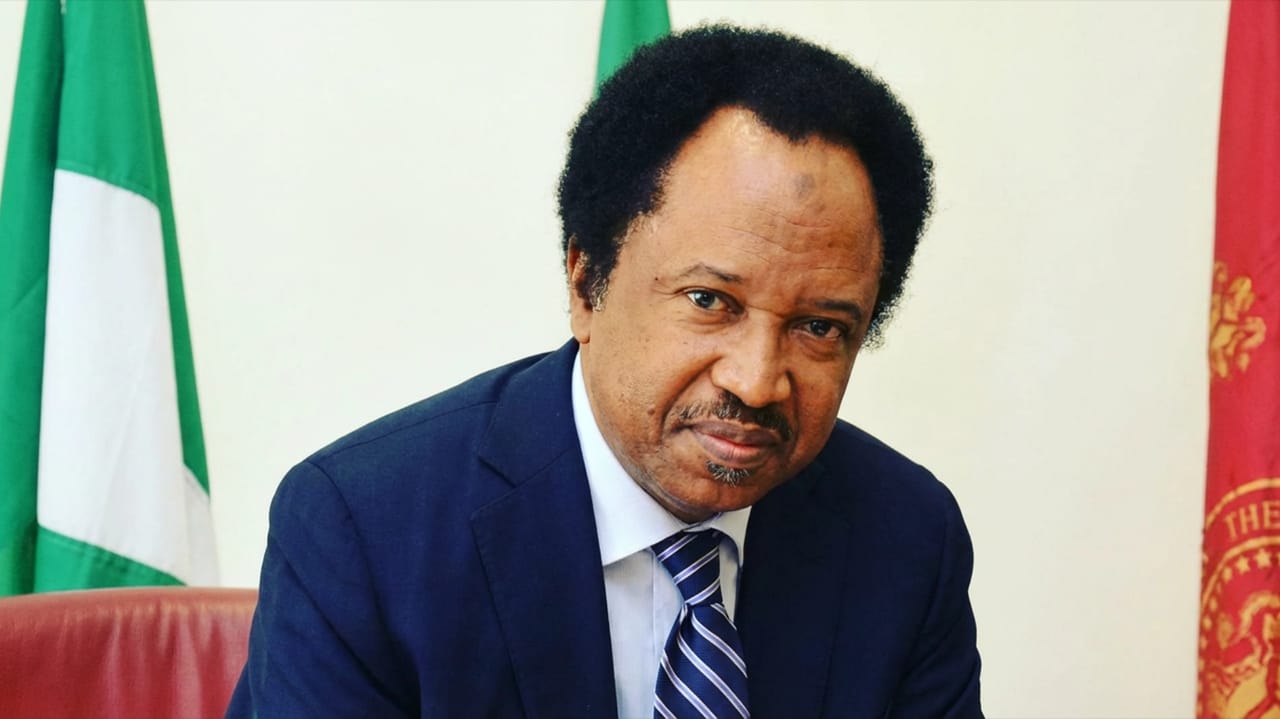
In a move that has sent shockwaves through the political landscape of Kaduna State, former Senator and acclaimed human rights icon, Shehu Sani, has officially picked up his Expression of Interest and Nomination forms to contest for the Kaduna Central Senatorial District seat under the platform of the All Progressives Congress (APC).
The political titan, known for his courageous voice and unwavering defense of the common man, collected the documents at the APC national secretariat on Wednesday. This bold declaration marks the return of a political juggernaut who many describe as the “people’s lion.”
—
A Fearless Champion Steps Forward
Senator Sani is not just another politician; he is a movement. A former political prisoner turned senator, Sani represented Kaduna Central from 2015 to 2019 with a rare blend of intellectual firepower and street-level activism. He earned a reputation as the “Conscience of the Senate” for standing alone against powerful forces, including his own party, to defend the rights of the oppressed.
His decision to re-enter the race under the APC banner is being celebrated by supporters as the homecoming of a legend.
“Shehu Sani is the only senator in recent history who turned his constituency office into a shelter for the vulnerable. He fights without fear or favour,” said a jubilant supporter in Kaduna.
—
Why Kaduna Central Is Shaking
Political analysts say Sani’s entry into the race has immediately raised the stakes. Here is why the ground is shifting:
· Grassroots Dominance: Unlike many career politicians, Sani walks the streets of Kaduna, listens to market women, and amplifies the voices of the voiceless. His connection to the common citizen is unmatched.
· The Voice of the Voiceless: In the Senate, he was the first to blow the whistle on corruption, human rights abuses, and bad governance—even when it meant sacrificing his own comfort.
· National Stature: As a global rights activist who once hosted Nelson Mandela’s foundation in Nigeria, Sani brings international attention and respect to Kaduna Central.
“Sani is not a typical politician begging for votes. He is a statesman who has already paid his dues with his freedom. That is the kind of leader we need,” said a youth leader in Kaduna North.
—
Sani Speaks: “I Am Coming to Restore Dignity”
After picking up the forms, an energized Senator Shehu Sani addressed journalists and a crowd of cheering supporters. True to form, he did not hold back.
“Some thought they had buried the lion. But you cannot silence the truth forever. I am not returning to settle scores. I am returning to restore the dignity of Kaduna Central.”
“Under my watch, we will fight for education, healthcare, and justice. I will not be a ‘Yes Sir’ senator. I will remain the one voice that says ‘No’ when the people are being crushed.”
He added that his mission is to bridge the gap between the elite and the masses, insisting that true representation is about service, not self-enrichment.
—
A Race for the Ages
With Shehu Sani now officially in the APC primary race, the contest for Kaduna Central has been elevated to a battle of heavyweights. His popularity cuts across party lines, and many political observers believe he is the man to beat.
Supporters have already taken to social media, flooding timelines with the hashtag #BackToSenateWithSani and #LionOfKaduna.
—
The Road Ahead
Senator Sani will now face the party’s screening and primary election. But if history is any guide, counting him out is a fool’s errand. Whether inside the Senate chamber or on the streets, Shehu Sani remains a force that can never be ignored.
Kaduna Central, prepare for the return of the Lion.
The Arewa Youth Assembly for Good Leadership (AYAGL), alongside the Forum for Youth Development Unity & Peace Initiative and 11 other civil society organisations, has lauded the Chairman of the Military Pensions Board, Air Vice Marshal Mikail Abdulraheem, for what it described as impactful reforms and disciplined leadership in the administration of military pensions.
In a statement issued on Wednesday and made available to journalists, the coalition said the Board under Abdulraheem has distinguished itself as a model of transparency, efficiency, and accountability—particularly in ensuring the timely and consistent payment of entitlements to retired military personnel.
President of AYAGL, Ambassador Abdul Danbature, who signed the statement on behalf of the coalition, noted that the current administration of the Board represents a clear shift from years of delays and administrative setbacks that had long plagued pension management in the military.
“The timely and consistent payment of retired military personnel under his leadership is not just commendable—it is exemplary and transformative,” Danbature stated.
He observed that pension administration within the military had historically been burdened by inefficiencies, but stressed that recent reforms have significantly improved service delivery, restoring confidence among retirees.
According to the coalition, notable strides recorded by the Board include improved operational efficiency, elimination of bureaucratic bottlenecks, and the adoption of a people-oriented approach that places priority on accountability and the welfare of pensioners.
“This remarkable turnaround reflects a clear vision for institutional reform and a commitment to service. This is leadership that delivers and reform that works,” the statement added.
The group also commended President Bola Ahmed Tinubu for appointing Abdulraheem to lead the Board, describing the decision as both strategic and productive. It noted that the results achieved so far demonstrate a broader commitment by the administration to strengthening governance structures and enhancing public sector performance.
While urging the Military Pensions Board to sustain and consolidate the gains made, the coalition called on other government agencies to emulate the Board’s standards of efficiency and service delivery.
AYAGL further reaffirmed its commitment to advancing good governance, transparency, and responsible leadership across Nigeria, emphasizing that effective leadership remains critical to national development.
“When leadership works with integrity, the people benefit. Today, we celebrate such leadership,” the statement concluded.
In a significant political development ahead of the 2027 general elections, former senator representing Kaduna Central, Comrade Shehu Sani, has concluded a strategic tour of seven Local Government Areas (LGAs) in Kaduna State, garnering widespread endorsements from party executives and grassroots stakeholders.
The tour, which lasted several days, saw the outspoken rights activist-turned-politician engage directly with ward and local government party officials, community leaders, youth groups, and women’s associations. The LGAs visited include Kaduna North, Kaduna South, Igabi, Chikun, Kajuru, Kachia, and Birnin Gwari.
At each stop, Sani held consultative meetings with party executives and broader stakeholder groups of the All Progressives Congress (APC), focusing on strategies ahead of the next electoral cycle.
During the engagements, the former lawmaker declared his support for the re-election bids of President Bola Ahmed Tinubu and Kaduna State Governor Uba Sani in 2027.
Stakeholders who spoke with journalists described the meetings as part of efforts to consolidate party unity, rebuild trust, and articulate a forward-looking agenda anchored on inclusivity and good governance.
Party leaders across the seven LGAs passed votes of confidence in Sani, citing his record in legislative advocacy, constituency development, and longstanding human rights activism.
In Igabi LGA, the party chairman described him as “a bridge between the people and government,” highlighting his accessibility and consistency in addressing national issues.
Leaders in Chikun pledged to mobilise support, describing Sani as “a voice for the voiceless and defender of democratic values,” while recalling his intervention during disputes linked to the proposed demolition of the Gbagi-Villa community by former Kaduna Governor, Mal. Nasir Elrufai.
Similar sentiments were echoed in Birnin Gwari, where community leaders commended his contributions to local development, including support for educational and healthcare infrastructure, as well as his vocal stance on insecurity.
In Kajuru, stakeholders recounted his advocacy during periods of heightened violence in the area, noting his role in amplifying the plight of affected communities.
Women groups at the meetings also expressed solidarity, citing empowerment programmes initiated during his tenure and his consistent advocacy for social justice and inclusion.
Addressing stakeholders, Sani reaffirmed his commitment to strengthening party cohesion and tackling key challenges such as insecurity, unemployment, infrastructural deficits, and the need for quality representation.
“We must rebuild our political structures from the grassroots. The strength of any democracy lies in its people. I am here to listen, to learn, and to work with you for a better future,” he said.
He further emphasised the importance of collective action in addressing insecurity, particularly in rural communities, while advocating policies that expand economic opportunities for young people.
Information gathered revealed that the tour reflects a deliberate effort to reconnect with the grassroots and reassert relevance in Kaduna’s evolving political landscape.
Findings also indicate that endorsements at the local government level remain critical indicators of political viability in the state, known for its complex and competitive alignments.
Although Sani is widely considered a grassroots politician, the scale of endorsements and mobilisation recorded during the tour suggests growing momentum around his potential comeback.
For now, the outcome of the visits has not only reaffirmed his political influence, but also underscored the enduring importance of grassroots engagement in Nigeria’s democratic process.
Renames Engineering Faculty Complex As Dr. Abdullahi Mustapha Complex.
To marki a significant step in expanding renewable energy deployment across Nigeria’s tertiary institutions, Nigeria’s Minister of Innovation, Science and Technology, Dr. Kingsley Tochukwu Udeh, alongside the Director-General and Chief Executive Officer of the Energy Commission of Nigeria (ECN), Dr. Abdullahi Mustapha, flagged off a 2-megawatt solar mini-grid project and commissioned 200 solar-powered streetlights at Aliko Dangote University of Science and Technology (ADUSTECH), Wudil, Kano State.
The intervention, implemented under ECN’s renewable energy and sustainable power programme, is aimed at improving electricity supply on campus, enhancing security through solar-powered lighting, and strengthening research and innovation in clean energy technologies.
Speaking at the event, the Minister commended ECN’s technical leadership, noting that, “The Energy Commission of Nigeria has done exemplary technical work to bring us to this point, following rigorousT energy audits, demand assessments, and validated system specifications.”
He further stressed accountability and timely delivery, stating that, “The contractor has a clear, firm mandate:to deliver within three months, to specification, with no tolerance for variation, and my ministry will hold them to that mandate.
The highlight of the event was the formal renaming of the Engineering Faculty Complex as the Dr. Abdullahi Mustapha Complex, in recognition of his contributions to national energy development, institutional collaboration, and the advancement of renewable energy solutions in Nigeria.
The Vice-Chancellor, Professor Musa Tukur Yakasai, also honoured the Director-General, Dr. Abdullahi Mustapha, with an Outstanding Award, noting that the recognition reflects his exceptional achievements and enduring impact in the energy sector.
Dr. Mustapha, who was among the 2009 graduating class of the university’s Faculty of Engineering, described the moment as both significant and symbolic, reflecting a full-circle journey from student to national energy leader.
The ceremony was attended by the Emir of Gaya, Alhaji Aliyu Abdulkadir; the Vice-Chancellor, Professor Musa Tukur Yakasai; and the Director-General of the Sheda Science and Technology Complex (SHESTCO), Dr. Magaji Da’u Aliyu.
Speaking, Dr. Mustapha reaffirmed ECN’s commitment to accelerating Nigeria’s energy transition through practical, impact-driven projects that expand access to clean and reliable electricity, particularly within educational institutions.
He noted that the 2MW solar mini-grid represents a scalable model for decentralized energy solutions, while the 200 solar-powered streetlights will significantly improve safety and extend academic and social activities within the university environment.
The Director-General sincerely appreciated His Excellency, President Bola Ahmed Tinubu, for this laudable initiative, which continues to drive sustainable energy development and expand access to clean power across the nation.