Yari Foundation to Organise Summits in Lagos, Enugu, Port Harcourt

The Yari Foundation has concluded arrangements to organise a series of high-level summits in Lagos, Enugu and Port Harcourt as part of efforts to promote peace, national development and inclusive dialogue across Nigeria.

According to the Foundation, the summits, scheduled to hold between January 19 and 23, will bring together key stakeholders from government, the private sector, civil society, academia and the media to deliberate on critical national issues. Key focus areas include economic growth, education, leadership, peacebuilding and social development.

A statement issued by the Foundation explained that the choice of Lagos, Enugu and Port Harcourt was deliberate, noting that the cities are major commercial, cultural and industrial hubs in the South-West, South-East and South-South geopolitical zones respectively.

The Foundation said hosting the summits across the regions would ensure broad participation while underscoring its commitment to national unity and balanced development.

The statement further disclosed that each summit would feature keynote addresses, panel discussions, interactive sessions and policy dialogues aimed at generating practical and sustainable solutions to challenges confronting the country.
Participants are expected to share ideas and experiences that would help strengthen institutions, promote an enabling environment for peace and enhance sustainable development at both national and grassroots levels.

While expressing optimism about the prospects of a peaceful and prosperous Nigeria, the Foundation said preparations for the events were at an advanced stage, adding that invitations would be extended to prominent Nigerians and relevant stakeholders across various sectors.

The Yari Foundation reiterated its commitment to initiatives that foster peace, dialogue, capacity building and socio-economic advancement, stressing that the forthcoming summits form part of its broader mandate to contribute meaningfully to Nigeria’s development and national cohesion.

It recalled that the Foundation successfully organised similar summits in Abuja, Kano and Jos last year, which attracted wide participation and positive reviews from stakeholders across the country.

North West Group Commends ICPC Over Trial of El-Rufai’s Ally

A socio-political group in the North West, the Concerned North West Stakeholders Forum, has praised the Independent Corrupt Practices and Other Related Offences Commission (ICPC) for initiating the trial of Amadu Sule, a close associate of former Kaduna State Governor Nasir El-Rufai, over alleged corruption.

Sule, the Managing Director of TMDK Terminal Limited, is facing charges related to a ₦311 billion money laundering scheme. The ICPC arraigned him recently on accusations of abuse of office and diversion of public funds, charges that he has denied.

In a statement issued on Tuesday in Kaduna, the group’s Coordinator, Alhaji Musa Abdullahi, described the ongoing trial as a significant step toward strengthening accountability and upholding the rule of law in Nigeria.

“The ICPC’s decision to prosecute Sule, a known ally of the former governor, sends a clear message that no one is above the law,” the statement read. “This action will help restore public confidence in the country’s anti-corruption efforts.”

The group highlighted that Nigerians have long demanded greater transparency in the management of public resources, especially by political officeholders and their associates. It expressed hope that this trial would meet public expectations for a fair and impartial judicial process.

Furthermore, the forum urged the ICPC to maintain its commitment to ensuring that the case is rigorously pursued to its conclusion. “Selective justice would undermine the integrity of anti-corruption initiatives,” the statement added.

The Concerned North West Stakeholders Forum also called on other anti-graft agencies to follow the ICPC’s example and investigate corruption allegations against politically exposed individuals across the country. “Accountability is crucial for national development. Public office holders must remember that while power is transient, the law is constant,” the group emphasized.

While urging against any politicization of the case, the forum appealed to the judiciary to handle the trial with professionalism and independence, stressing the importance of justice for national stability.

The ICPC’s trial of Sule has drawn significant attention, as it is seen as a crucial test for Nigeria’s anti-corruption fight, especially involving prominent political figures and their associates.

THE HERESY OF STANDING STILL IN A MOVING POLITICAL TERRAIN

By Barrister Aminu Hussaini Sagagi

One of the most persistent misconceptions about Kwankwasiyya is the attempt to imprison it within a single personality or a single political platform. This reductionist view strips the movement of its historical depth and undermines its ideological ancestry. Kwankwasiyya did not begin with an individual, nor was it designed to end with one. It is the latest expression of a political philosophy that has travelled – deliberately and consistently – through Nigeria’s evolving political landscape.

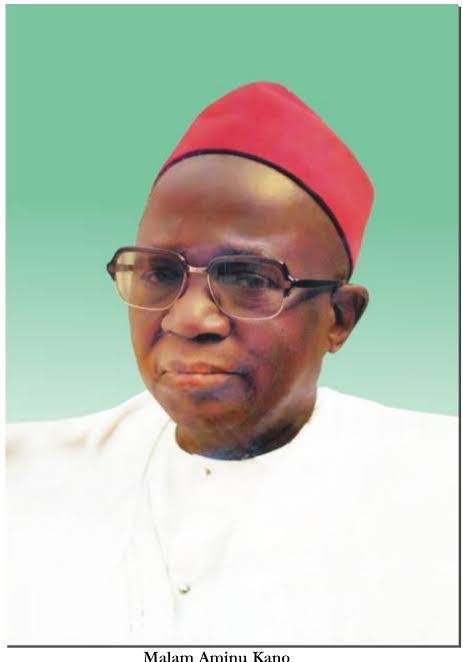
The philosophical roots of Kwankwasiyya lie unmistakably in the radical populism of Malam Aminu Kano, the NEPU tradition and the audacious Tabo philosophy. Tabo was moral courage in action: the willingness to confront feudal dominance, inherited privilege and the culture of silence imposed on the talakawa. Aminu Kano embodied this ethos in both conduct and symbolism. His simple white attire represented moral clarity and humility; his red cap projected identity, resistance and solidarity with ordinary people. These symbols were not ornamental – they were political language.
Crucially, this philosophy never pledged eternal loyalty to a single platform. NEPU itself was born as a rejection of conservative politics. As Nigeria’s political environment evolved, NEPU gave way to the PRP, carrying the same ideals into a new democratic moment. Later, the same populist current found expression in the SDP during the Third Republic and the PDM tendency that followed, adapting again to shifting political realities without abandoning its core mission.

With the return to civil rule in 1999, the philosophy re-emerged within the PDP, where it gained administrative expression and delivered tangible outcomes, particularly in education and social mobility. When the PDP’s internal contradictions deepened, the movement explored the APC as a possible national reform vehicle. When that promise faltered, it returned to the PDP and later found a more accommodating home in the NNPP. At each stage, the platform changed; the values endured.

This historical movement – from NEPU to PRP, SDP, PDM, PDP, APC, back to PDP, and NNPP – is not evidence of ideological inconsistency. It is evidence of ideological resilience. The philosophy travelled because Nigeria changed.

To remain static would have meant irrelevance.
Understanding this lineage is essential to the present debate surrounding Governor Abba Kabir Yusuf’s imminent alignment with the APC. Resistance from some Kwankwasiyya notables often rests on the mistaken assumption that movement equals betrayal. History suggests otherwise.

The betrayal would be to freeze a living philosophy in sentiment while political realities shift around it.
Nigeria’s contemporary political environment rewards strategic relevance. Governance today is shaped by access to power, coordination of resources and the ability to negotiate influence. For a sitting governor, relevance is not ambition – it is capacity. Surely, capacity in the Kwankwasiyya tradition, exists solely to serve the people.

Perhaps the most damaging misunderstanding is the portrayal of Kwankwasiyya as a personal empire rather than a historical continuum. Individuals may carry the torch at different moments, but the fire itself predates them and will outlive them. To reduce the movement to a personality is to erase Aminu Kano’s legacy and misunderstand the meaning of Tabo.
Kwankwasiyya was never a prisoner of parties. It has always been a travelling philosophy – rooted in justice, powered by relevance and willing to move again to its next destination if that is what service to the people requires.

By Barrister Aminu Hussaini – Special Adviser – Justice/Constitutional Matters to the Governor of Kano State – AKY. May be reached: +234 803 374 2424 / aminuhussaini173@gmail.com

Zaria Group Reaffirms Support for Governor Uba Sani, Dismisses Impact of Former Ally’s Defection

A Zaria-based political group, the Zaria Progressives Movement (ZPM), has dismissed the political relevance of a former Director-General of the Uba Sani Campaign Organisation and erstwhile Kaduna State Commissioner for Education, Prof. Muhammad Sani Bello (popularly known as Maina Zazzau), following his recent defection to the African Democratic Congress (ADC).

In a statement issued on Friday, the group said Prof. Sani Bello’s exit from the ruling All Progressives Congress (APC) would not affect the political strength of Governor Uba Sani or influence the voting pattern of the people of Zaria.

The statement, signed by the ZPM Coordinator, Malam Yusuf Garba, said the people of Zaria are politically conscious and remain committed to good governance and sustainable development, not only within the Zaria Emirate but across Kaduna State.

According to the group, Zaria voters would continue to give their full support to the APC and Governor Uba Sani for what it described as his achievements in promoting peace and development in the state.

“The people of Zaria are known for their political focus and loyalty to leaders who deliver good governance and development,” the statement said. “The defection of Prof. Maina Zazzau does not in any way diminish the growing support for Governor Uba Sani.”

ZPM further alleged that Prof. Zazzau was removed from office as Commissioner for Education due to his inability to effectively manage the education sector, adding that his decision to join the ADC was motivated by personal grievances and declining political influence.

“We strongly believe that his defection is borne out of frustration following his removal from office and his loss of political relevance,” the group stated.

The group also commended Governor Uba Sani, describing him as a true son of Zaria who has upheld the values and traditions of the Zazzau Emirate since assuming office.

“It is not in doubt that Governor Uba Sani has consistently promoted the ideals of the Zaria people through inclusive governance and people-oriented policies,” the statement added.

Looking ahead to the 2027 general elections, the group reaffirmed its support for the governor, stating that the people of Zaria would overwhelmingly back him at the polls.

“We are fully prepared to demonstrate that the people of Zaria Emirate appreciate good governance and the achievements of our son, Governor Uba Sani, and we will reciprocate with our votes in the 2027 general elections,” the statement concluded.

Nigerian Workers Decry “Dangerous” Plan for First Unmanned Fuel Stations, Warn of Job Losses and Insecurity

By James Buwa

DATELINE: January 8, 2026

The Concerned Petrol Station Workers have strongly opposed the recently announced plans by AA Rano to roll out Nigeria’s first fully automated and unmanned fuel stations this January.

They argued that the development could worsen unemployment and deepen insecurity if not properly thought out and regulated.

According to AA Rano, its stations would offer 24-hour self-service fuelling, contactless payments and real-time monitoring, eliminating the need for on-site attendants.

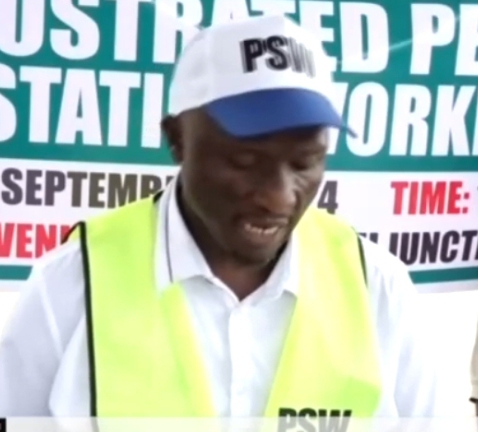
However, the Convener, Concern Petrol Station Workers and Rights Advocate, Comrade Ibrahim Zango in a statement on Thursday, January 8, 2026, lamented that a lot of young Nigerians who are keeping themselves busy in petrol stations may be exposed to other side of life.

“At a time when Nigeria is already grappling with mass unemployment, rising cost of living and growing insecurity, deploying job-eliminating technology without safeguards is dangerous.

“So imagine the number of AA Rano fuel stations alone, across the country and even beyond. Imagine the number of pump attendants working and earning their living from these stations.

“To us, sending us out of the job some us have been doing for decades without a robust plans will only multiply our crisis as a country,” he said.

To Zango, automation should not translate into job losses, calling on the government and relevant regulatory agencies to develop clear policies that balance innovation with workers’ welfare in the downstream petroleum sector.

He, therefore, urged the company’s leadership to remember its social responsibility to workers, stressing that many petrol station attendants today are where AA Rano chairman once started and should not be pushed out of livelihoods in the name of innovation.

Gov. Abba Kabir Yusuf at 63: Turning People’s Mandate Into Visible Progress

By Barrister Aminu Hussaini

As Governor Abba Kabir Yusuf turns 63, Kano State marks more than a personal milestone; it reflects on a defining moment in its contemporary governance – one characterised by steady leadership, deliberate choices and a visible renewal across critical sectors of development. It is an occasion that invites sober assessment – and the evidence across key developmental indices points unmistakably to progress driven by clarity of vision, political will and unrelenting commitment to the welfare of the people.

From the outset, Governor AKY’s administration signaled a return to governance anchored on social justice and inclusive development. Education, long acknowledged as the soul of Kano’s future, has received renewed attention. Massive investments in school rehabilitation, teacher recruitment, welfare and the revitalisation of technical and vocational institutions have begun to restore confidence in the public education system. The emphasis is not only on access, but on quality – laying the groundwork for a skilled and competitive generation.

In healthcare, the administration’s interventions have been equally transformative. Upgraded facilities, improved equipment and enhanced manpower across primary and secondary health centres are expanding access to quality care, particularly for rural and underserved populations.

These efforts are gradually yielding improved health outcomes and reaffirming government’s obligation to safeguard the wellbeing of its citizens.
Infrastructure development under Governor Yusuf has been guided by a people-first philosophy.

Strategic road construction and rehabilitation projects within the Kano metropolis and across local government areas eases movement, boosting commercial activity and reconnecting communities. Complementary urban renewal initiatives – ranging from drainage rehabilitation to environmental sanitation – are addressing long-standing challenges of congestion and flooding, making Kano a safer, more functional and livable city.

Economic empowerment remains a defining pillar of the administration. Targeted support for agriculture, small and medium-scale enterprises, and youth entrepreneurship is expanding avenues for productivity and wealth creation. Farmers are benefitting from improved access to inputs and extension services, while market revitalisation efforts are reinforcing Kano’s historic status as a major commercial nerve centre of northern Nigeria.

Equally noteworthy is the restoration of order, discipline and institutional integrity in governance. A renewed emphasis on fiscal prudence, workers’ welfare and respect for traditional institutions has helped stabilise the polity and rebuild public trust. The civil service is more motivated and governance is increasingly driven by rules, processes and accountability rather than impulse.

At 63, Governor Abba Kabir Yusuf embodies a blend of experience, empathy and resolve. His leadership reflects an understanding that development is not measured by rhetoric, but by tangible improvements in the lives of ordinary people. While challenges remain – as they inevitably do, the trajectory is clear and encouraging.

While challenges inevitably remain, the direction is unmistakable.
AKY’s birthday, therefore, is not merely a celebration of age, but a moment for Kano to acknowledge steady progress and renew confidence in a governance agenda that places people above politics. In celebrating Governor Abba Kabir Yusuf, Kano celebrates continuity, renewed hope and a future being patiently and purposefully rebuilt.

In this spirit of reflection and renewed confidence, Kano joins millions of well-wishers to congratulate His Excellency, Governor Abba Kabir Yusuf, on the occasion of his 63rd birthday. It is a celebration of a life devoted to public service and of a leadership that continues to translate vision into measurable progress for the people of Kano State.

As His Excellency marks this milestone, the prayers and goodwill of the state accompany him – wishing him sound health, renewed strength and greater wisdom to sustain the noble task of governance. May the years ahead consolidate the gains already recorded and further entrench Kano on the path of stability, prosperity and inclusive development under his steady and purposeful leadership.

Barrister Aminu Hussaini – Special Adviser to the Governor of Kano State – H.E. AKY on Justice/Constitutional Matters contributed this piece

Nigerian Farmers Seek Bailout After N10.16bn Loss in 2025 Season

By Our Correspondent

A group of 2,143 grain farmers in Kaduna State has appealed to the Federal Government for urgent intervention in the form of free or subsidised farm inputs, following losses estimated at N10.16 billion during the 2025 farming season.
The farmers, spread across the three senatorial districts of Kaduna State, said they were pushed to the brink by a sudden crash in maize prices nationwide, despite unprecedented increases in the cost of agricultural inputs.

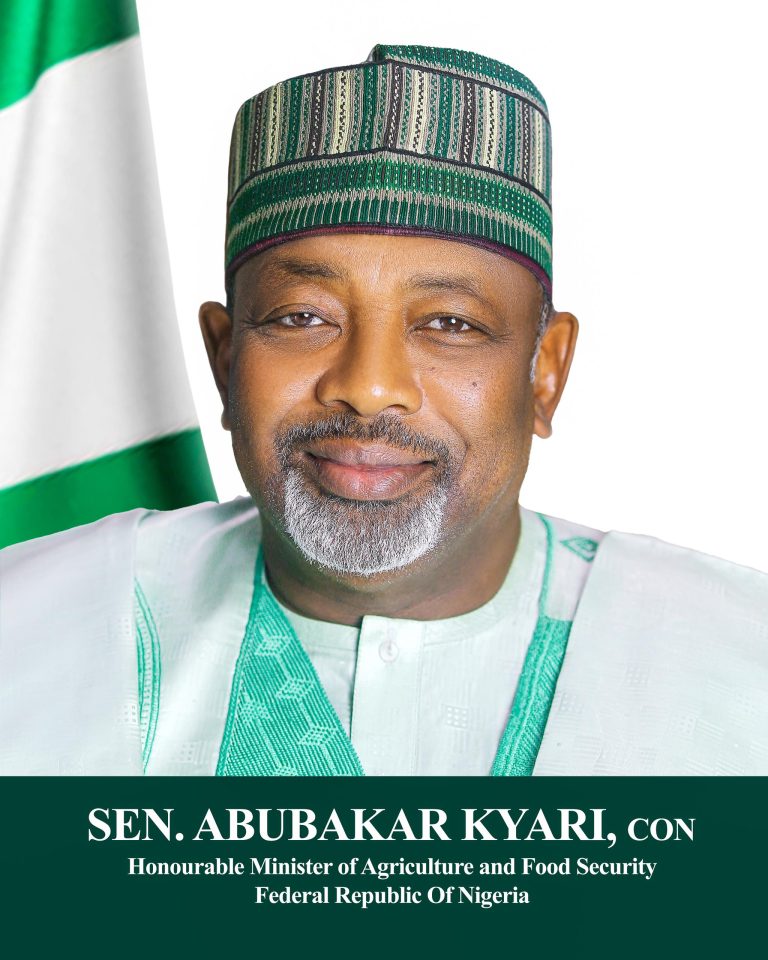
Their plea was contained in a letter addressed to the Secretary to the Government of the Federation, the Minister of Agriculture, the Governor of the Central Bank of Nigeria (CBN), and the three Senators representing Kaduna state at the Senate.

The letter, written through their counsel, Barrister Ehizogie Fidelis Imadojemu, detailed how the farmers, operating under a maize farming scheme coordinated by Alhaji Rufai Muazu Dikko (popularly known as Sarkin Labar), were unable to recover production costs after harvest.

According to the farmers, the scheme, which began in 2017 with 1,000 hectares, has expanded to about 10,000 hectares cultivated by 2,143 farmers across Igabi, Soba, Kauru, Zaria and Sabon Gari local government areas.

Under the arrangement, Sarkin Labar provides capital, inputs and logistics, while farmers repay him in maize after harvest and sell the remainder for income.

However, the 2025 season proved disastrous. The farmers said a 50kg bag of NPK fertiliser sold for about N60,000, while urea rose to N50,000 per bag. As a result, the total cost of cultivating one hectare of maize climbed to over N2 million from about N1 million for the preceding year.
With an average yield of 45 bags of 100kg per hectare, the farmers said each bag needed to sell for about N44,578 to break even. Instead, the prevailing market price crashed to about N22,000 per 100kg bag. This is less than half the required recovery price, resulting in a loss of N22,577 per bag.

From the total output of about 450,000 bags harvested across the 10,000 hectares, the farmers calculated an aggregate loss of over N10.16 billion.

“With these losses, the farmers cannot afford the cost of farming next season,” the letter stated, warning that the situation reflects the wider crisis facing maize farmers across Nigeria.

The farmers cautioned that unless urgent support is provided, many producers—particularly in northern Nigeria—may abandon farming in the 2026 season, a development they say could undermine the Bola Ahmed Tinubu administration’s food security agenda.

They are therefore requesting a bailout through the CBN in the form of free or heavily subsidised inputs such as fertiliser and urea for the 2026 farming season. In return, they proposed to reimburse the Federal Government with maize equivalent to part of the value of the inputs at the end of the season.
The farmers argued that such an intervention would stabilise grain production, boost food availability, and deliver political and economic dividends ahead of the 2027 general elections.
“Only by this arrangement will our clients and many other grain farmers around the country return to their farms in the 2026 farming season,” the letter said.
They also requested an urgent meeting with government officials, noting that preparations for the next planting season would soon begin.

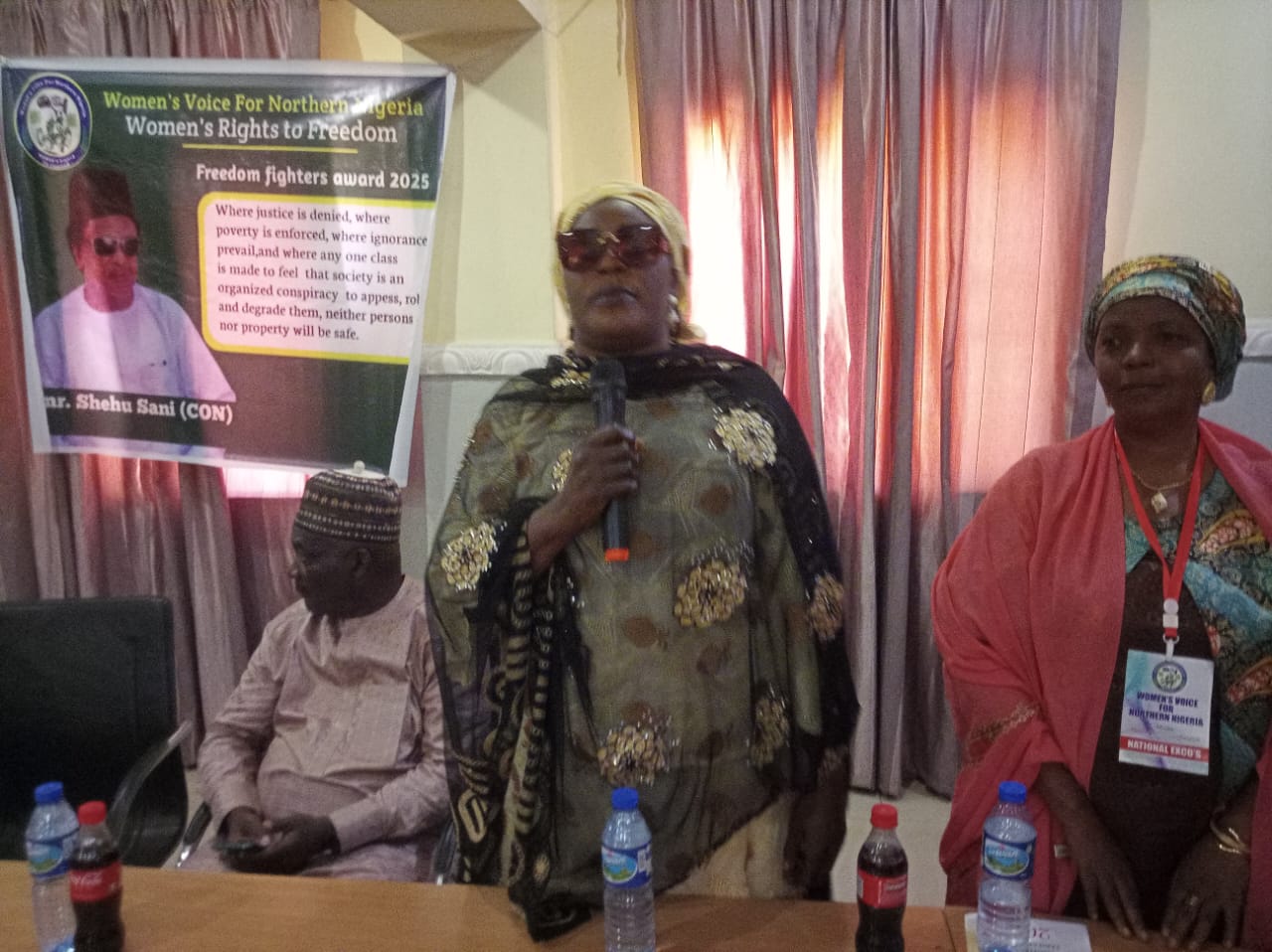
Senator Shehu Sani Receives Maiden Freedom Fighter Award from Northern Women


Women from 19 northern states, under the aegis of Women’s Voices for Northern Nigeria, have honoured former lawmaker, Senator Shehu Sani, with their maiden Freedom Fighter Award, recognising him as the Best Freedom Fighter for 2025.
Presenting the award at a ceremony in Kaduna, the National President of the group, Comrade Jamila Malumfashi, said Senator Sani was selected for his unwavering stance, consistency and vocal defence of the poor, the downtrodden and vulnerable groups in society.
According to her, the former senator has over the years demonstrated uncommon courage in standing up for the masses, particularly women, through advocacy and public engagement.
“Senator Shehu Sani has consistently used his voice to defend the poor, the oppressed and women. His commitment to social justice and equity informed our decision to honour him as the first recipient of this award,” Malumfashi said.
She explained that Women’s Voices for Northern Nigeria operates across 19 states in the region and focuses on empowering women, especially widows, orphans and unemployed women who are largely dependents.
In his remarks, Senator Shehu Sani expressed appreciation to the group for organising the event in Kaduna and for finding him worthy of the honour.
He commended the organisation’s activities, particularly its skill acquisition and empowerment programmes aimed at improving the economic status of women in the North.
“I am encouraged by your commitment to empowering women through skills and self-reliance. This is the right path to sustainable development,” he said.
The former lawmaker pledged his personal support to help the group grow and to facilitate access to support from relevant agencies.
However, he advised the organisation to place greater emphasis on empowerment initiatives rather than partisan politics.
The event attracted women leaders and stakeholders from across the northern region, who described the award as a recognition of long-standing advocacy for social justice and inclusive governance.

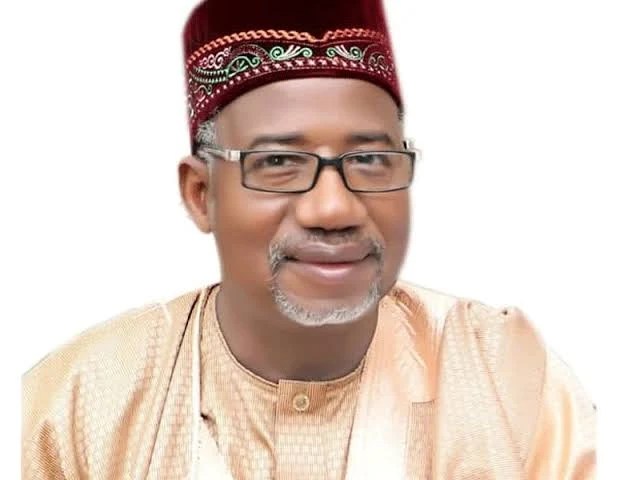
Arewa Group Warns Against Sympathy Ploys as Bauchi Officials Face Corruption, Terrorism Financing Trial

The Arewa Joint Initiative for Peace has called on Nigerians to reject attempts by Bauchi State Governor, Bala Mohammed, to solicit public sympathy in the face of severe corruption and security-related charges against officials of his administration.

In a statement signed by its president, Julius Danlami, the group referenced the recent arraignment of senior Bauchi State officials, including Commissioner for Finance Yakubu Adamu, before the Federal High Court in Abuja. The officials are facing charges brought by the Economic and Financial Crimes Commission (EFCC) for conspiracy, conversion of public funds, and alleged terrorism financing.

The group described the allegations as grave, extending beyond routine political disputes, and representing a significant breach of public trust that raises serious concerns about governance and accountability in the state.

The statement criticized Governor Bala Mohammed’s recent remarks suggesting his administration was being politically targeted due to his refusal to align with the ruling All Progressives Congress (APC). The group labelled this a deflection tactic, warning that such narratives could undermine public confidence in democratic institutions.

It emphasized that allegations involving millions of dollars in illicit funds and terrorism financing must be treated with utmost seriousness, particularly in northern Nigeria, where communities have endured prolonged violence and insecurity. The group asserted that no public official should evade scrutiny by framing legal actions as political persecution.

While acknowledging the constitutional immunity of a sitting governor, the organization stressed that immunity does not equate to impunity. It insisted that legal processes must proceed without interference and that justice should be served in accordance with the rule of law.

The group noted that the case reflects a broader national problem of corruption and mismanagement, urging citizens to resist emotional appeals that obscure the truth. It called on Nigerians to demand transparency, accountability, and ethical leadership from those in power.

In conclusion, the Arewa Joint Initiative for Peace urged judicial authorities to expedite proceedings on the allegations, warning that delays deepen public distrust. It reaffirmed its commitment to peace, justice, and good governance, calling for a renewed national dedication to integrity, security, and progress, and insisting that sympathy must not replace scrutiny when serious allegations threaten societal stability and moral foundations.

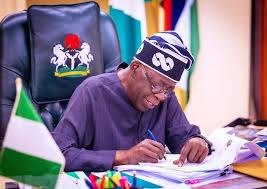
ECN Director General Endorses Tinubu’s Energy Agenda, Calls for National Backing

Dr Mustapha Abdullahi, the Director General of Energy Commission of Nigeria (ECN) has applauded President Bola Ahmed Tinubu’s well thought out initiatives in the renewed Hope Agenda.

This initiatives, he said has touched and impacted positively on Nigerians and the nation.

In his New Year message to Nigerians, Dr. Mustapha Abdullahi said, “President Bola Ahmed Tinubu’s visionary Renewed Hope Agenda aims to reposition Nigeria and restore its glory and bring it back to its enviable position as country of destination to both local and international investors and the investment community, is gradually becoming the driving point for Nigerians seeking a better country and society.

“And, for President Tinubu, his well thought out plans to ensure that all Nigerians get access to renewable energy; sustainable energy supply to their homes and offices, birthed the reawakening of the Energy Commission of Nigeria, ECN which had been pushed to a near comatose state.

“His ambitious and unshaken belief in his policies is spearheading the transformative reforms and innovative initiatives to advance the nation’s energy transition. These efforts aim to unlock new opportunities for economic growth, sustainable development, and improved energy access for all Nigerians.

“As Chairman of the ECN, President Tinubu remains deeply committed to driving the Energy Transition Plan; a core component of his Renewed Hope Agenda. His leadership emphasizes the critical role of clean energy and strategic reforms in building resilient energy sector.

“This commitment is a firm exposition to Nigeria’s ambition to become a global leader in sustainable energy solutions while fostering economic progress and environmental stewardship.

“And, for this enviable and laudable project to become complete, Nigerians need to ensure that President Bola Ahmed Tinubu enjoy their total support to see this actualized.