Author Archives: News All Around
Writer,Blogger,Historian, Journalist
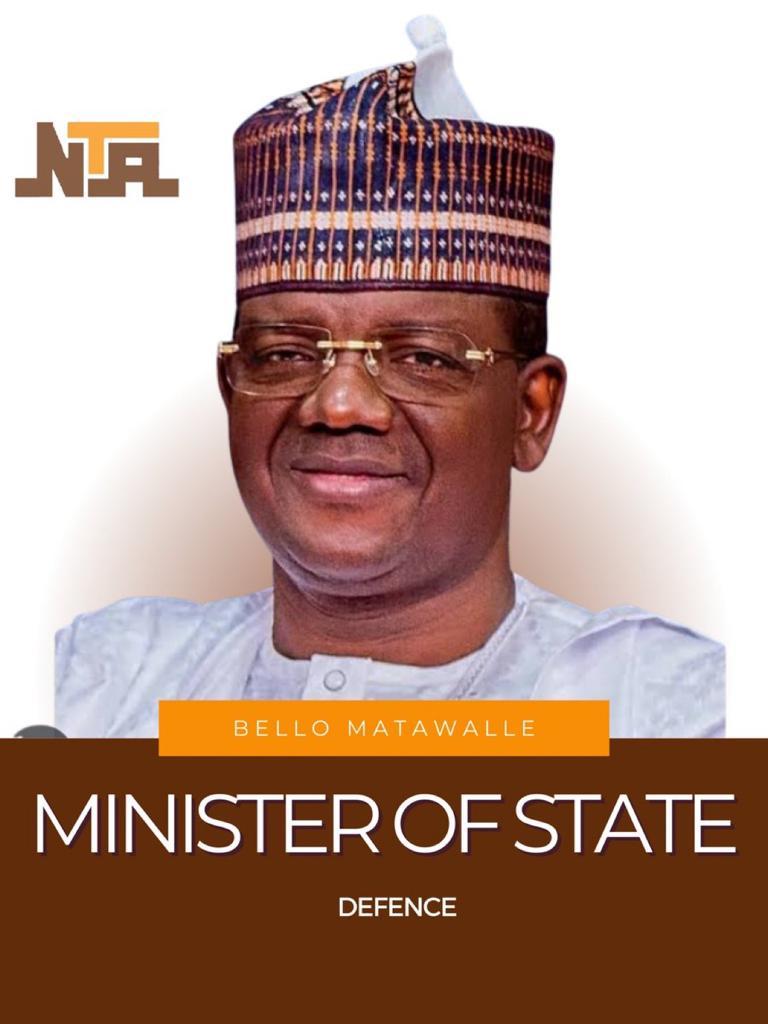
CURRENCY SWAP SCANDAL: Matawalle in Cabal’s Crosshairs for Exposing Their Economic Sabotage
By Grace Musa
The desperate attempts by forces of corruption now fighting back the system including sponsoring tailored interviews to shamefully twist the narratives using terror leaders like Bello Turji and other crime lords to fabricate unsubstantiated lies against Matawalle has been uncovered.
The Northern Stakeholders Consultative Forum (NSCF) has come forward with allegations that a sinister and coordinated cabal is targeting the Minister of State for Defence, Bello Mohammed Matawalle.
This revelation was made in a statement by Comrade Danjuma Paul, highlighting Matawalle’s crucial role in challenging and successfully nullifying the controversial currency swap policy instituted by the Buhari administration.
At the height of public suffering due to the Buhari government’s unpopular Naira redesign policy, three former governors—Bello Matawalle of Zamfara, Nasir El-Rufai of Kaduna, and Yahaya Bello of Kogi—took decisive action to challenge the policy in court.
Their bold intervention played a key role in relieving the nation of its economic duress.
“An unforgiving cabal, in collaboration with certain individuals within the current administration of President Bola Ahmed Tinubu, and supported by a financially bankrupt section of a disgruntled northern elite, is orchestrating attacks against these former governors,” explained Comrade Paul.
“El-Rufai has already been marginalised, while Yahaya Bello is being relentlessly pursued, leaving Matawalle as the last man standing.”
Comrade Paul recounted the immense hardship endured by Nigerians during the implementation of the currency swap policy, which saw the redesign of the Naira lead to significant economic disruptions and mass suffering.
It was during this period that the trio of former governors intervened legally, a move that turned public sentiment against them among certain powerful factions.
The NSCF’s statement emphasizes that the current targeting of Matawalle is not a random act but a calculated vendetta aimed at settling scores for their judicial triumph over the now-defunct currency swap policy.
Comrade Paul called for vigilance and support for Matawalle, stressing the importance of ensuring that those who stand up for the people’s welfare are not penalized for their actions.
“The scheming against Matawalle, fueled by those who wish to exact a ‘pound of flesh’ for the loss inflicted upon them by the court’s decision, is not just an attack on one man but an affront to justice and the collective good of Nigeria,” Comrade Paul asserted.
The Northern Stakeholders Consultative Forum urges the Nigerian public and international observers to pay close attention to this unfolding situation and to stand in solidarity with those who have shown courage in the face of adversity.
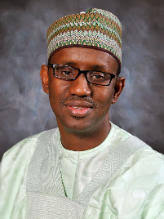
Ribadu, Mutawalle Commended For Efforts Aimed Safeguarding Igbos
Juliet Ugbo
…
The current unrest plaguing Nigeria has instilled a sense of unease among the populace, with reports indicating a significant number of Nigerian politicians fleeing the country for shelter overseas. The abrupt exodus of top government officials, political elites, and prominent business figures has triggered widespread apprehension, particularly among the Igbo residents in the North and Southwest states.
In response to these concerning developments, Ohanaeze Ndigbo, the apex Igbo socio-cultural organization, is proud to extend its appreciation to the Minister of State for Defence, Hon. Bello Matawalle, and the National Security Adviser, Nuhu Ribadu, for their unwavering dedication in curbing the politically motivated nationwide protests set to commence from August 1st to 10th, 2024.
Ohanaeze had previously called upon Igbo residents in the Northern and Southwestern states to abstain from participating in the forthcoming protests, aligning with our core principles of peace and advocating for calm amidst turbulent times.
A statement issued Secretary-General Ohanaeze Ndigbo Mazi Okechukwu Isiguzoro assured, both Ndigbo at home and in the diaspora, that stringent security measures will be enforced by the Ministry of State for Defence and the Office of the National Security Adviser (NSA) to safeguard against any form of molestation, intimidation, or harm to Igbo lives and properties in the North and Southwest regions.
He reiterated the resolute decision of Igbo traders and residents to boycott the planned nationwide protests is a testament to our unwavering commitment to peaceful coexistence and unity.
“We implore the proponents of the August 1st to 10th, 2024 protests to explore avenues for dialogue with President Tinubu to address their grievances peacefully and amicably, without resorting to violence or causing casualties.
“We are cognizant of the presence of foreign mercenaries in league with unpatriotic elements, scheming to incite chaos in Nigeria and using the Igbo people as pawns in their destructive pursuits. However, the collective decision of Igbo residents to distance themselves from the protests has left the instigators perturbed, prompting concerns that they may resort to inciting violence against the Igbo populace in a bid to provoke their involvement.
The Igbo leader underscored that the withdrawal of Igbo residents from the protests disrupts the sinister plans of the sponsors, rendering their malevolent intentions unattainable and therefore urged the Presidency, through the Minister of State for Defence, Hon. Bello Matawalle, and the Office of the National Security Adviser, to intensify efforts in protecting Igbo residents in the North and Southwest from any form of harassment or intimidation.
“Importantly, we affirm that there will be no protests in the Southeast, as we entrust Igbo youths with directives to thwart any attempts to incite unrest within the region and in solidarity, we uphold the values of peace, unity, and non-violence, demonstrating our unwavering resolve to foster a harmonious and prosperous nation.
ENDS
CSYPS Gets New Chairman, Tasks Nigerian Youths to Shun Violence
By Deborah Ajulo
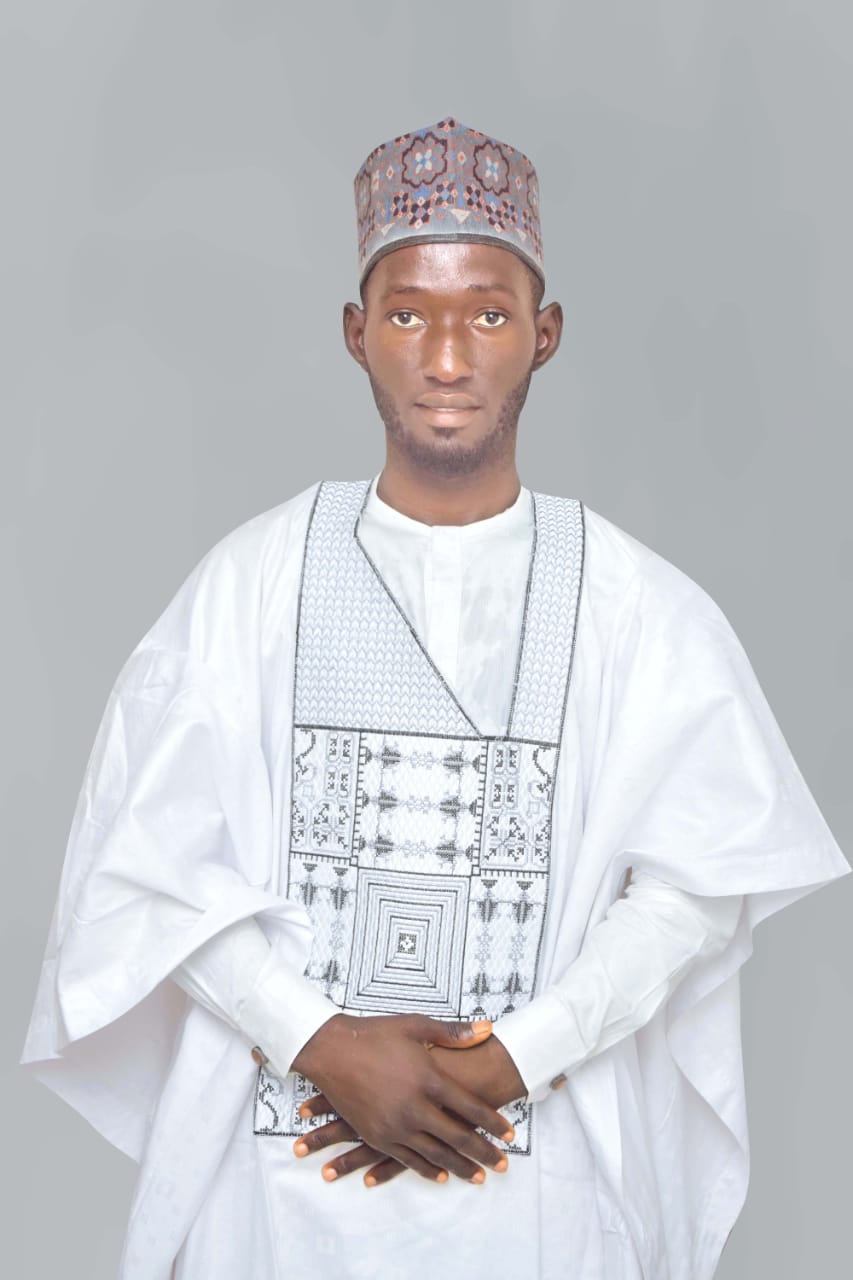
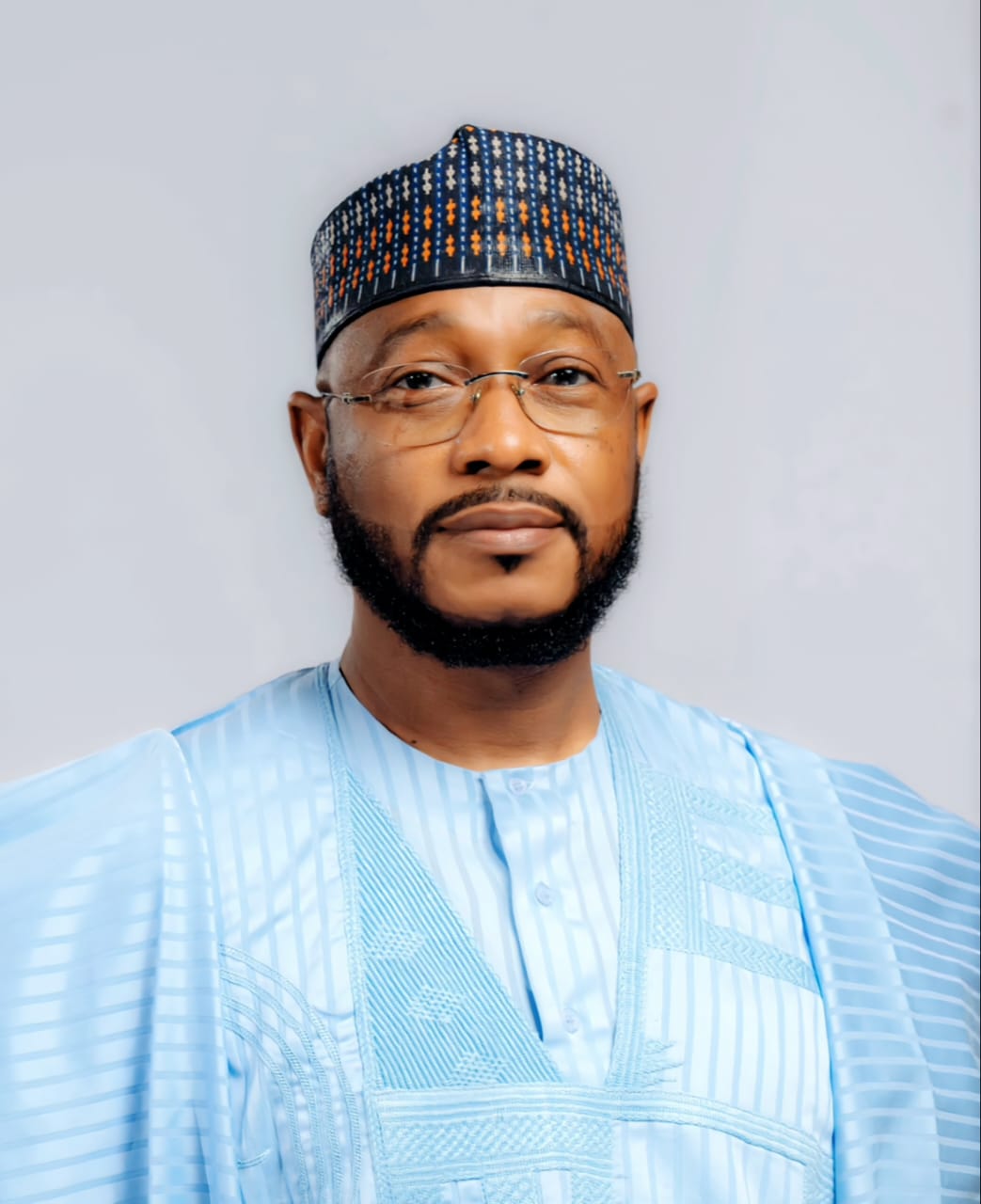
The Speaker of Zamfara State Youth Parliament, Rt. Hon. Abdulhamid Ibrahim, has been elected Chairman of the Conference of State Youth Parliament Speakers of Nigeria (CSYPS).
The election took place during a national meeting of the conference on Wednesday, where Abdulhamid secured the highest number of votes, achieving a two-thirds majority over his competitor, the Speaker of the Taraba State Youth Parliament, Rt. Hon. AM-Dan Maliki, who did not receive any votes.
Abdulhamid succeeds Rt. Hon. Prince Osawemwenhio Uwagboe, the immediate past Speaker of the Edo State Youth Parliament, and will serve a one-year term.
In his acceptance speech, Abdulhamid expressed his commitment to elevating the conference by enhancing its role in youth activism through parliamentary dialogue and initiatives. He emphasized the importance of fostering strong connections and networks with other youth parliaments, parliamentary organizations, and notable institutions globally.
The Chairman urged Nigerian youths to shun violence and collaborate with President Bola Ahmed Tinubu’s Renewed Hope Government to achieve greater infrastructural development as true dividends of democracy.
Abdulhamid also commended Dr. Dauda Lawal, Governor of Zamfara State, for his resilience in fighting banditry and the ongoing urban rehabilitation efforts in the state. He stressed that Governor Lawal’s dedication to restoring peace and improving infrastructure has created a more secure and prosperous environment for the youth and all citizens of Zamfara State.
NYCN Holds Emergency Meeting to Address Looming Protest, Nation’s Challenges
Friday Ameh
The National Youth Council of Nigeria (NYCN) convened an emergency virtual meeting on July 24, 2024, bringing together its National Executive, 36 State Chairmen, and other key stakeholders to address the nation’s pressing issues and the planned nationwide protest on August 1, 2024.
During the meeting, the council discussed the escalating socio-economic challenges facing Nigerian youths, including rising inflation, insecurity, unemployment, and widespread hardship. The council acknowledged the alarming levels of poverty, inequality, and social injustice that have sparked widespread discontent among young people.
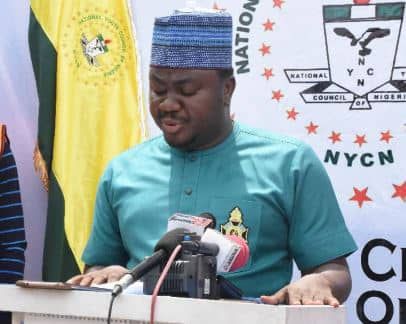
In a statement signed by Amb. Sukubo Sara-Igbe, the NYCN President, the council emphasized the need for a unified response to these challenges. The President announced that the council will engage in:
- Broad stakeholder consultations: The NYCN will hold talks with government officials, security agencies, civil society organizations, and the media within the next four days to ensure a comprehensive understanding of the issues and to explore possible solutions.
- Press conference: A national press conference is scheduled for July 31, 2024, where the NYCN leadership will address the nation and outline its stance on the planned protest. The council will also use this platform to present its demands and expectations from the government.
- Call to action: The council urged its members to remain vigilant and await further instructions. The NYCN has over 100 affiliated youth organizations and millions of members across the country, and the council is mobilizing its vast network to take action.
The National Youth Council of Nigeria reaffirmed its dedication to advocating for the interests of Nigerian youths and driving positive change in the country. The council acknowledged the nation’s challenges and called on all stakeholders to collaborate towards a better future for Nigeria.
Matawalle’s Integrity Intact: Yoruba Youths Dismiss Allegations of Complicity in Bello’s Escape

By Friday Ameh
The Yoruba Youth Council (YAC), an influential body representing the youths of Yorubaland, has strongly condemned recent allegations suggesting that Dr. Muhammad Bello Matawalle, the Minister of State for Defence, facilitated the escape of the embattled former Kogi State Governor, Yahaya Bello, to Niger Republic.
In a fervent response to a report that Matawalle, described as an ally of Bello, orchestrated the escape using eight military personnel in two dark-tinted Hilux pickup trucks and a Land Cruiser, Comrade Eric Oluwole, National Leader of Yoruba Youths, condemned these allegations as “reckless, wicked, unethical, false, irresponsible, immoral, and actionable,” describing them as a blatant attempt to smear the minister’s reputation.
Oluwole asserted that the accusations appear to be a coordinated attack, potentially involving the incumbent Zamfara State Governor, Dauda Lawal. “Jackson Ude, the writer of this trash, is suspected to be working with Governor Lawal, who has long sought to tarnish the image of Dr. Matawalle, one of the most effective ministers in President Bola Ahmed Tinubu’s administration. How can the writer be so specific about Matawalle among all the ministers working with Mr. President?” Oluwole questioned, invoking a Yoruba proverb: “Bi iku ile ko ba pani, ti ita ko le pani,” meaning “It is difficult for the enemy from outside to kill without the support of the enemy within.”
Independent investigations by the Yoruba Youth Council suggest that Jackson Ude is affiliated with Atiku Abubakar, while retired General Aliyu Gusau, a close associate of Atiku Abubakar from Zamfara state, might also be involved, implying a conspiracy involving these figures and Governor Dauda Lawal aimed at destabilizing President Tinubu’s government by maligning Dr. Bello Matawalle.
“Yoruba youths recognize Dr. Bello Matawalle as a successful former Governor of Zamfara State who significantly contributed to the state’s progress. This reputation led to his inclusion in President Tinubu’s cabinet, where he has demonstrated unwavering dedication and excellence. Dr. Matawalle’s proximity to the President and his hard-working nature have made him a valuable asset to the current administration,” stated Oluwole.
The Yoruba Youth Council stands firmly behind Dr. Bello Matawalle and calls for a thorough investigation into these allegations to uncover the truth and uphold justice. The council also urges media outlets and individuals to exercise due diligence and ethical standards in reporting, to avoid spreading unfounded and damaging claims.
In conclusion, the Yoruba Youth Council reaffirms its confidence in Dr. Bello Matawalle’s integrity and commitment to the well-being of Nigeria. We urge all Nigerians to be cautious of malicious propaganda and to support those who are working tirelessly for the progress of our great nation.
Zamfara on the Brink: Governor’s Ties to Bandits Spark Security Crisis
By Agefu Isaiah
The Northern Stakeholders Consultative Forum (NSCF) has been closely monitoring the events unfolding in Northern Nigeria in recent months, particularly the disturbing increase in banditry and kidnapping activities in Zamfara and the frontline states of Katsina, Niger, Sokoto, and Kaduna.
According to a statement issued by the spokesperson of the forum, Comrade Paul Danjuma, it is with grave concern and profound disappointment that we have observed Governor Dauda Lawal’s troubling association with bandit leaders such as Turji and Musa Kamarawa, all in a misguided attempt to undermine Minister of State for Defence Bello Matawalle.
The escalating rate of criminal activities in Zamfara, coupled with Governor Lawal’s focus on personal vendettas and questionable alliances, poses a grave threat to the security and well-being of the people of the state.
In recent months, Northern Nigeria has witnessed a troubling surge in banditry and kidnapping activities, particularly concentrated in Zamfara and the frontline states of Katsina, Niger, Sokoto, and Kaduna. The Northern Stakeholders Consultative Forum (NSCF) has been monitoring these developments with grave concern and profound disappointment.
Of particular alarm is Governor Dauda Lawal’s troubling association with infamous bandit leaders, such as Turji and Musa Kamarawa, seemingly in a misguided attempt to undermine Minister of State for Defence Bello Matawalle. This political maneuvering, at the expense of public safety, poses an acute threat to the security and well-being of Zamfara’s residents.
The NSCF is deeply disturbed by recent revelations that notorious bandit chief Musa Kamarawa and his brother have been welcomed and hosted by government officials in Gusau for nefarious purposes. Such actions are not only unacceptable but also undermine ongoing efforts to curb criminal activities in the region.
While we acknowledge the efforts of the federal government and security forces, led by President Bola Tinubu and supported by Defense Ministers Badaru Abubakar and Bello Matawalle, to combat banditry, the situation in Zamfara remains dire. Governor Lawal’s apparent collusion with criminal elements illustrates a severe lack of commitment to his foremost responsibility: safeguarding the lives and properties of his constituents.
The people of Zamfara are justifiably frustrated and angered by the state government’s failure to prioritize their safety over political interests and personal vendettas. The alarming frequency of heinous crimes, including the abduction of innocent school children, underscores the urgent need for decisive action.
The NSCF demands swift and thorough action from the federal government to uncover the motives behind the Zamfara government’s inexplicable ties to bandit leaders. Those providing refuge to criminals like Musa Kamarawa must be held accountable and face the full weight of the law.
Governor Lawal must demonstrate a genuine commitment to addressing the grave security challenges facing Zamfara and place the well-being of his constituents above all else. The resurgence of insecurity in Zamfara, fueled by the state government’s alarming complacency, threatens not only the people of Zamfara but the entire northern region.
The NSCF will persist in its advocacy for the security and welfare of the people of Zamfara and the broader northern community. We call on all well-meaning Nigerians to join us in condemning Governor Lawal’s actions and demanding justice for the victims of banditry and kidnapping. The time for action is now, and we will not rest until the people of Zamfara can live without fear of violence and insecurity.
NAN Calls for Rapid FG Interventions in Zamfara amid Revelations of Political Corruption, Security Concerns

Gregory Abimu
The Northern Awareness Network (NAN) has expressed concern and worries by recent revelations concerning a fabricated video that implicates Bello Matawalle, the Minister of State for Defence, in collusion with bandit kingpin Bello Turji.
According to the group, evidence suggests that the video was orchestrated by Zamfara State Governor Dauda Dare Lawal, representing a desperate effort to smear the All Progressives Congress (APC) federal administration led by President Bola Ahmed Tinubu.
A statement issued by the Chairman Salifu Suleiman said, such despicable actions are clear indicators of the rampant corruption and collusion between politicians and criminal elements that plague Zamfara State, stressing that the links between Governor Lawal and Turji, a notorious criminal, have raised substantial concerns about the quality of governance and mounting security issues in the region.
“It is deeply troubling that a sitting governor is linked to known criminal elements,” said [Name], spokesperson for NAN. “This form of corruption is not just a disservice to the people of Zamfara; it undermines the safety and governance of the entire state and sets a dangerous precedent for the rest of the country.”
NAN also deplored the situation where personal gain and power appear to motivate actions over the welfare of the citizens. The collusion between Governor Lawal and criminal entities exemplifies a blatant disregard for the rule of law and tarnishes the foundational principles of democracy and good governance. The implications have dire consequences not only for Zamfara State but for the nation at large.
NAN insist on the statement that an urgent federal intervention to investigate these troubling relationships and hold all parties involved accountable. Swift and decisive action is essential to eliminate corruption and dismantle criminal influences within Zamfara State, ensuring leaders are devoted to public service with transparency and accountability. The safety and security of all Nigerians, particularly those in regions afflicted by banditry and violent extremism, must be a top government priority.
“Federal authorities must act immediately to disarm bandits, dismantle these criminal networks, and restore law and order,” added [Name]. “Zamfara State’s residents deserve leaders dedicated to their safety and future prosperity.”
NAN averred that residents of Zamfara has continued to face attacks on their villages, rampant kidnappings, and senseless killings, making it imperative for security agencies, local authorities, and community leaders to work cooperatively to restore peace.
“To effectively combat rising violence, the government must address banditry and violent extremism’s root causes with urgency and decisiveness. NAN therefore calls on the federal government to prioritize the security and well-being of all Nigerians and deliver a safe environment conducive to growth and prosperity.
NAN said it remained committed to these values, advocating for peace, security, and socio-economic development across Northern Nigeria. Together, through united and concerted efforts, we can achieve a future free from violence and fear, enabling every Nigerian to live in peace and security.
NAN is a dedicated organization committed to promoting peace, security, and socio-economic development in Northern Nigeria. Our mission is to advocate for transparency, good governance, and justice while striving to create a secure and prosperous environment for all residents of the region, the statement added.
_”Protest Poses Too Great a Risk: Kaduna Non-Indigenes Prioritize Safety Amid Economic Hardship”_
The Kaduna State Non-Indigenes Forum (KSNIF) has withdrawn from the planned nationwide protest against economic hardship, citing concerns that hoodlums may hijack the protest to loot their shops and market stalls.
In a statement, KSNIF Chairman Chief Emeke Emmanuel Okafor and Secretary Mr Adewale Peter Adelanwa urged citizens to shun the protest, given the police ban on unlawful protests and past experiences of violence and looting in Kaduna.
The forum expressed concerns about the potential for violence and looting, citing past instances where protests in the state had degenerated into crisis.
KSNIF called on security agencies to tighten security around business premises and appealed to citizens not to join the protest, citing the risk of hijacking by groups with ulterior motives.
The forum stated that while they are affected by economic hardship, they cannot afford to lose their investments and properties, especially during Nigeria’s current economic crisis.
KSNIF also called on the state government to deploy security operatives to potential flashpoints should the protest take place.
AYCF Blasts Zamfara Governor, Says Attacks on Minister Are Targeting President Tinubu
Babalele Dare
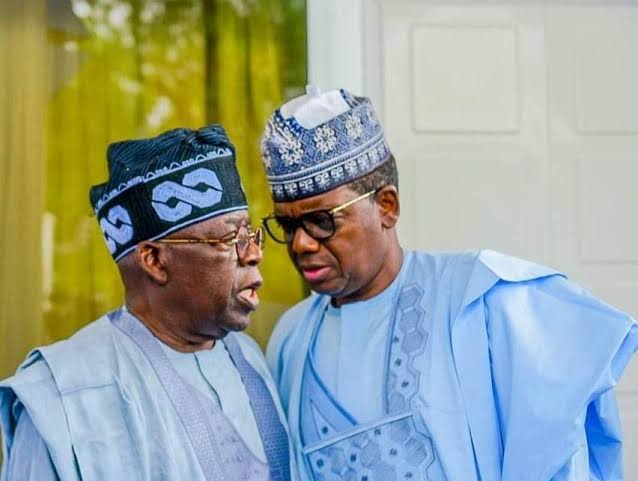
The Arewa Youth Consultative Forum (AYCF) has said the recent sponsored attacks on the Minister of State for defence Bello Matawalle and the National Security Adviser (NSA) Malam Nuhu Ribadu are targeted on President Bola Ahmed Tinubu.
It would be recalled that recently during his appearance on Channels Television, Zamfara State Governor, Dauda Lawal criticized the administration of President Tinubu alleging that he lacks the will to address the chronic insecurity afflicting Zamfara state and Northern Nigeria.
Similarly, Governor Lawal through sponsored faceless groups attacked the Minister for state defence Matawalle and the NSA apparently calling for their removal, another subtle way of trying to get at the President knowing well that they are among the trusted loyalist of the President.
In a statement issued by the President General of AYCF Alhaji Yerima Shettima, he averred that Governor Lawal has failed to repose his own ineffectiveness and absence during critical security crises affecting his state, stressing that on the very day female students from the Federal University Gusau were abducted, the Governor embarked on a personal trip to the United States, thus leaving his state leaderless during a dire emergency.
Governor Lawal’s unwarranted trip to the United States at such a critical time demonstrates his disconnection from the realities on the ground in Zamfara. It was alarming that the governor remained incommunicado and inaccessible to efforts from the Ministry of Defence and federal government officials seeking his cooperation.
Shettima said, it is no longer news that Governor Lawal has consistently refused to collaborate with federal initiatives aimed at combating insecurity, thereby undermining collective efforts, This was recently collaborated with a viral video where bandits pledged their allegiance to him.
The expansive role of the Ministers of Defence and the NSA, which involves harmonizing efforts between the military, paramilitary, and intelligence agencies to combat nationwide security threats and their focus on overhauling the operational environment for the nation’s security forces has been pivotal in enhancing their effectiveness against terrorism, insurgency, and other critical threats.
Specifically, Matawalle’s proactive measures in addressing resource shortages, inadequate training, and operational constraints that had previously hampered security efforts and maintaining a balanced approach to ensure national security is quite commendable.
AYCF therefore called on President Bola Ahmed Tinubu not to give attention to distractors because Matawalle and Ribadu are trusted ally who remain committed to his renewed agenda.
 Middle-Belt Times