Renewed Hope Initiative: ECN DG Hosts Conference of Speakers, Reaffirms Push for Nationwide Solarization.

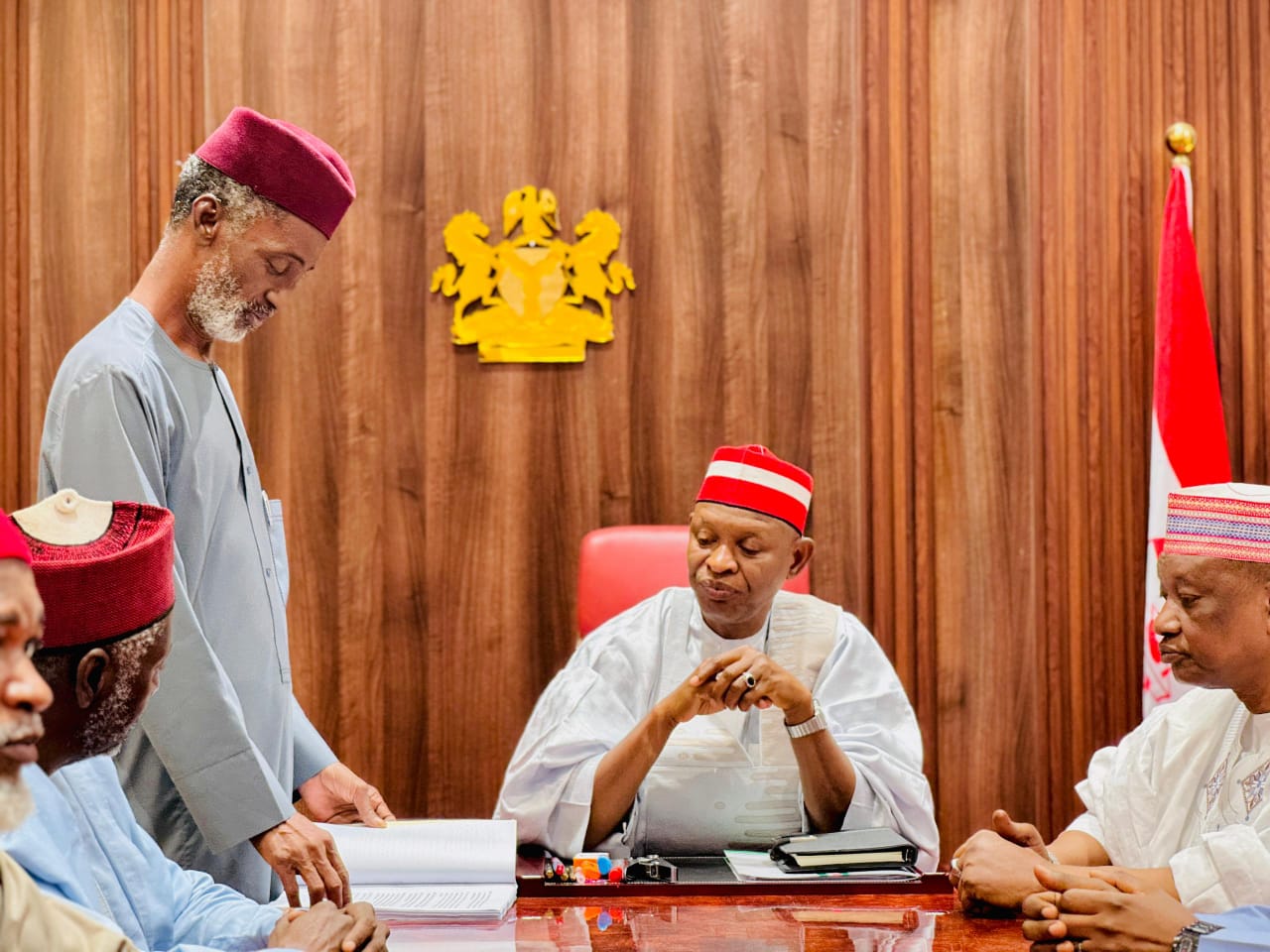
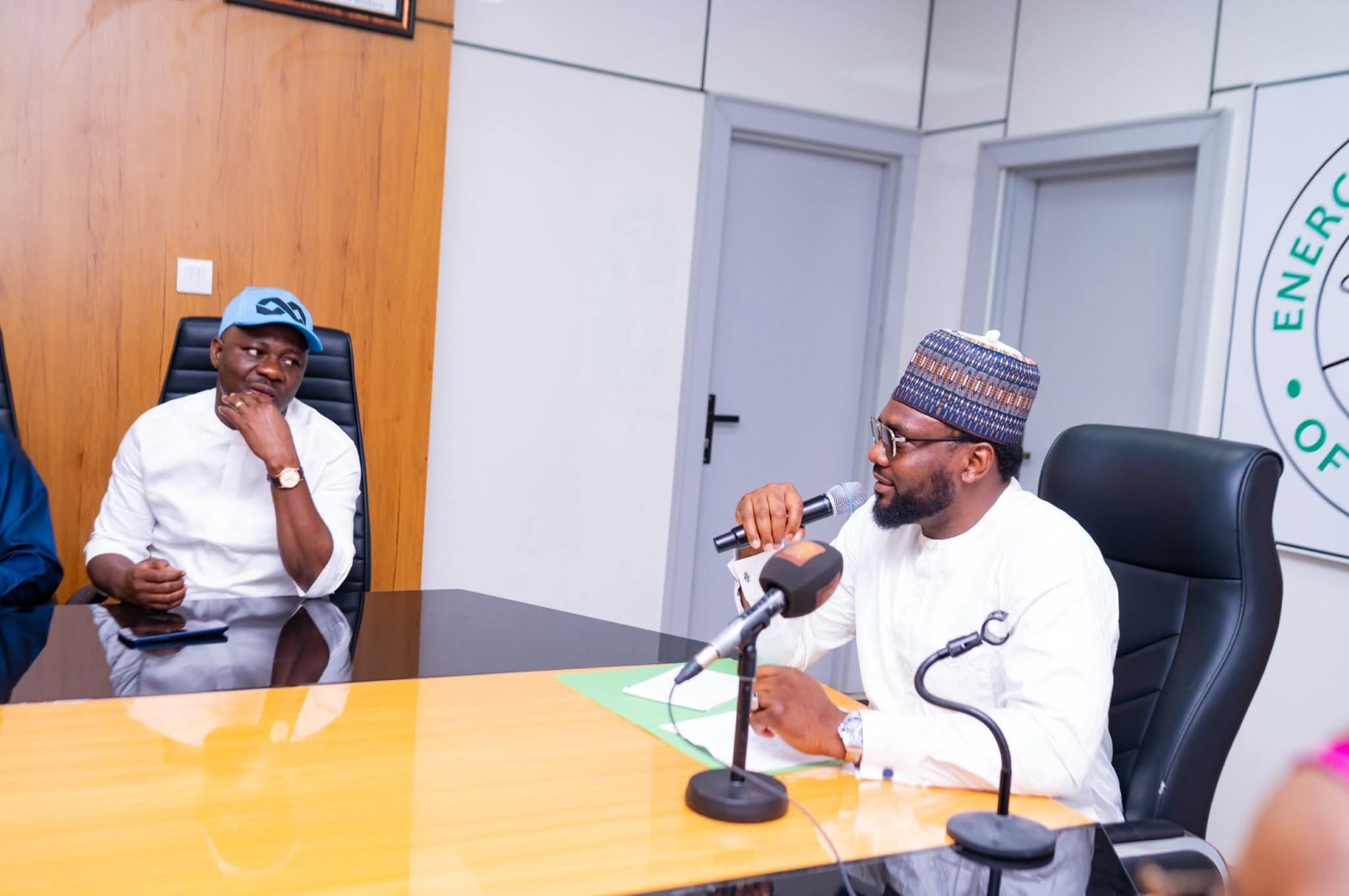
In a move to boost energy planning within the States of the Federation, the Director-General of the Energy Commission of Nigeria (ECN), Dr. Mustapha Abdullahi, has received the Conference of Speakers of State Houses of Assembly at the Commission’s headquarters in Abuja.

This ís as he reaffirmed the Federal Government’s commitment to strengthening partnerships with states to address energy shortfalls across critical public infrastructure.

The engagement which focused on advancing the solarization of government buildings, healthcare facilities, schools, and other essential institutions is part of a coordinated national effort to deliver clean and sustainable energy solutions.

Dr. Abdullahi noted that the initiative aligns with President Bola Ahmed Tinubu’s Renewed Hope Agenda and supports the decentralization of Nigeria’s energy master plan through the large-scale deployment of renewable energy technologies.

He emphasized that the project will enhance energy access, reduce reliance on the national grid, and promote environmental sustainability.

The Director-General further stated that the initiative is expected to significantly improve energy reliability in public institutions while accelerating Nigeria’s transition to sustainable energy.

Speaking on behalf of the delegation, the Speaker of the Delta State House of Assembly commended the solarization programme and assured that state legislatures would provide the necessary support to ensure its timely and effective implementation.

The solarization project, launched in 2025, is a key component of the Federal Government’s broader clean energy drive aimed at powering public institutions across the country with solar energy.

Shehu Sani Condoles El-Rufai Over Mother’s Death

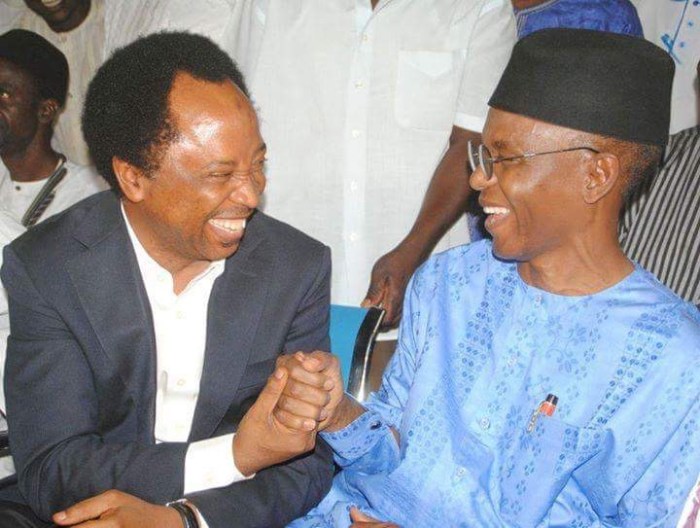
Former Kaduna Central Senator, Shehu Sani, has condoled with former Governor of Kaduna State, Nasir El-Rufai, over the death of his mother.

In a condolence message issued on Saturday, Sani described the passing as a profound loss not only to the El-Rufai family but also to Kaduna State and the nation at large.

He paid glowing tribute to the deceased, commending her life of service, community leadership, and the enduring legacy of her motherly care and guidance.

“Her death is a great loss to Kaduna State and the nation at large. We appreciate her life, community leadership, and motherly love,” he said.

Sani also prayed for the repose of her soul, asking Allah to forgive her shortcomings and grant her Aljannatul Firdaus. He further prayed for strength and comfort for El-Rufai and his family in this moment of grief.

“May Allah console the heart of our former Governor and his family members,” he added.

Reflecting on a personal connection, the former lawmaker noted that the deceased was also the mother of his late childhood friend, Ibrahim Iro El-Rufai, who died in a tragic road accident in 2014.

He concluded with the Islamic expression, “Inna lillahi wa inna ilayhi raji’un,” meaning, “Indeed, we belong to Allah, and indeed to Him we shall return.”

Kano First: The Landmark Ruling That Validates Governor Yusuf’s Bold Shift.

By Barrister Aminu Hussaini Sagagi

In moments of political turbulence, leadership is ultimately judged not by loyalty to structures in crises, but by fidelity to the people one serves. The recent ruling of the Apo Judicial Division of the Federal Capital Territory High Court, which recognized the Boniface Aniebonam faction of the NNPP as the legally authentic party and directed INEC accordingly, has brought a decisive clarity to what had long been an increasingly murky and destabilizing internal conflict.

For the Governor of Kano State, Alhaji Abba Kabir Yusuf, this judicial pronouncement does more than settle a factional dispute, it vindicates a decision that, at the time it was made, attracted fierce criticism but was rooted in pragmatic foresight and responsibility.

When the Governor chose to part ways with the faction aligned to Sen. Rabiu Musa Kwankwaso, the dominant narrative pushed by critics was one of betrayal. Yet, with the benefit of unfolding events and now the weight of judicial affirmation, it is increasingly evident that the decision was not about political convenience but about safeguarding the stability of Kano State.

At the heart of the matter lies a simple but propound principle that governance cannot thrive in the shadow of legal uncertainty and factional paralysis. The protracted crisis within the NNPP had already begun to cast a long shadow over its elected officials, raising legitimate concerns about party legitimacy, electoral mandates and the risks of prolonged litigations.

For a sitting Governor, the implications were stark; whether to remain entangled in a party facing existential legal disputes or chart a course that ensures continuity of governance and protects the mandate entrusted by the people. Governor Yusuf chose the latter.
His defection to the All Progressives Congress (APC) must therefore be understood not as an abandonment of political ideals, but as an act of strategic recalibration in the interest of the people. By stepping away from a party embroiled in internal contradictions, now confirmed by the court’s recognition of a rival faction, he effectively insulated Kano from the kind of instability that often accompanies prolonged political and legal crises.

Critically, this move also positioned the state to benefit from stronger alignment with the federal government. In Nigeria’s political economy, access matters. Federal collaboration can accelerate infrastructure development, enhance security coordination and unlock economic opportunities that might otherwise remain out of reach. In this regard, the governor’s decision reflects a clear prioritization of outcomes over optics and of tangible progress over partisan rigidity.

It is also worth noting that leadership sometimes requires the courage to endure temporary misunderstanding in pursuit of long-term stability. The initial backlash that greeted the governor’s move was, in many ways, inevitable in a political environment deeply shaped by loyalty to personalities and movements. However, as the internal contradictions within the NNPP have now been laid bare through judicial intervention, the logic underpinning Governor AKY’s decision becomes increasingly difficult to dispute.

This is not to suggest that political realignments are without consequence or controversy. They are, by nature, disruptive. But disruption, when guided by a clear commitment to public interest, can be a necessary prelude to stability and progress.
The unfolding reality, therefore, invites a reaffirming of the narrative. Rather than viewing the governor’s defection through the narrow lens of partisan allegiance, it should be seen within the broader context of responsible governance. Faced with a party in disarray and risk of legal and political uncertainty, Abba Kabir Yusuf chose a path that prioritized Kano first, its stability, its development and its future.

In the final analysis, history tends to be kinder to decisions that place people above politics. The recent court ruling does not merely resolve a party dispute, it underscores a deeper truth that in times of crisis, decisive leadership anchored in the public good will always find its justification.
Kano deserves stability; Kano deserves progress and above all, Kano deserves leadership that is willing to make difficult choices.

Barrister Hussaini is the Special Adviser to Governor AKY on Justice/Constitutional Matters.

ECN, Nigerian Air Force Collaborate to Enhance Energy Security

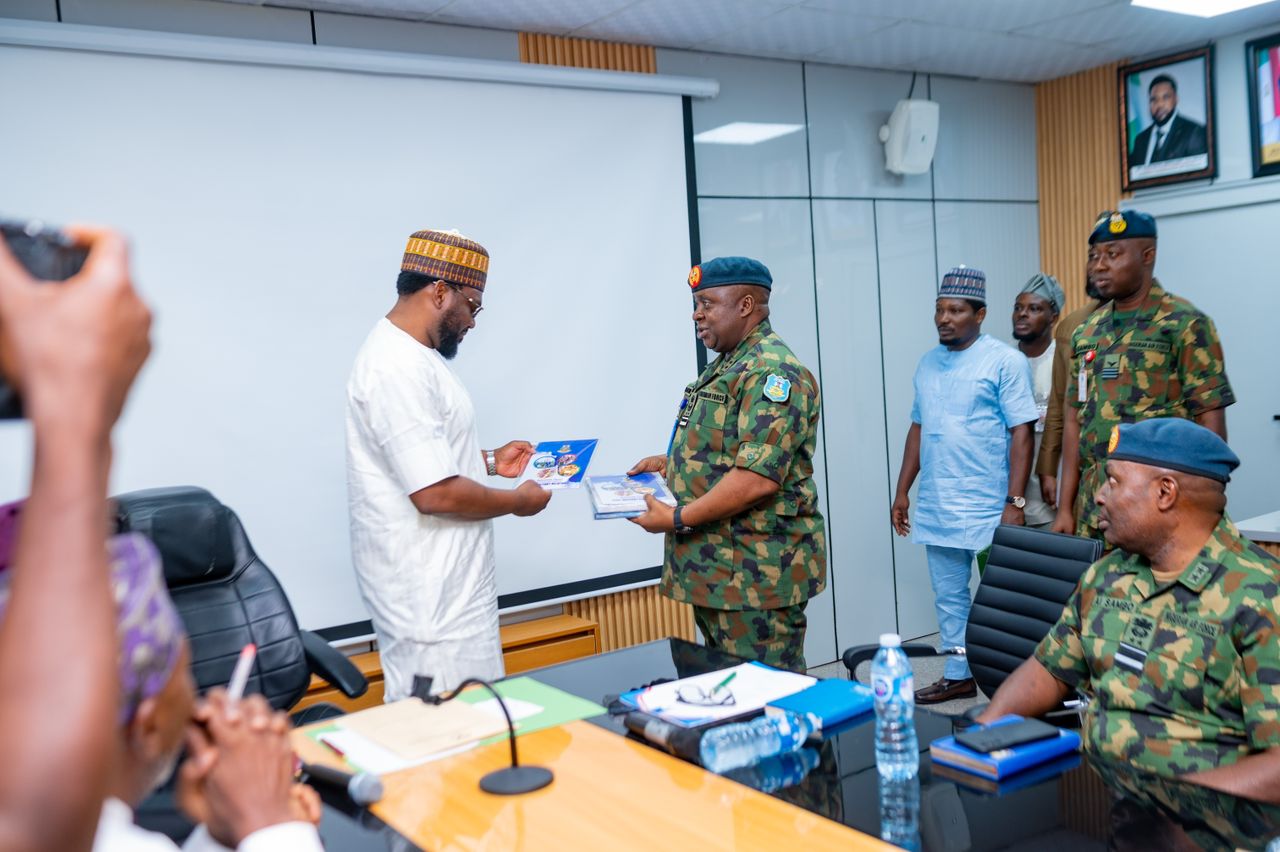
The Energy Commission of Nigeria (ECN) and the Nigerian Air Force have initiated a strategic partnership to enhance energy security. This development follows a courtesy visit by a delegation from the Nigerian Air Force, led by the Chief of Civil-Military Relations, Air Vice Marshal E. K. Gabkwet, and the Chief of Logistics, AVM A. I. Sambo, to the Commission’s headquarters in Abuja.

During the visit, Air Vice Marshal Gabkwet expressed appreciation to the DG of ECN, Dr. Abdullahi, for granting the audience and conveyed the goodwill of the Chief of the Air Staff. He emphasized the importance of collaboration in developing renewable energy solutions to support anti-terrorism operations. He also requested technical training support from ECN for Air Force personnel and pledged the Air Force’s assistance in logistics, transportation, and other operational areas.

In his remarks, Dr. Abdullahi described the engagement as historic, noting that it is the first of its kind between the ECN and the military. He reiterated the Commission’s mandate to ensure national energy security and highlighted key policy frameworks, including the National Energy Policy (NEP) and the National Energy Master Plan (NEMP).

The Director-General further outlined ongoing solarisation projects in healthcare facilities and tertiary institutions, assuring the delegation that similar initiatives would be extended to the Nigerian Air Force. He also announced the immediate deployment of solar-powered lighting solutions to support Air Force operations.

Copies of the NEP and NEMP were presented to the delegation, and both parties affirmed that the partnership marks the beginning of sustained collaboration aimed at advancing national development and security.

The meeting was attended by ECN directors and members of the Air Force delegation, including AVM C. E. Akpa, Air Commodore L. O. Wabriboko, Air Commodore A. T. Adejimi, I. O. Akpasa, Squadron Leader A. B. Gambo, and Flight Lieutenant A. M. Aondoakaa.

EXCLUSIVE: Southern Kaduna Communities Raise Alarm Over Planned Attacks, Accuse Government of Repeated Neglect

By Our Correspondent

The Southern Kaduna Autochthones Community Development Associations (SOKACDA) has issued an urgent warning over circulating security alerts indicating planned attacks on Indigenous Christian communities across three local government areas in Southern Kaduna, demanding immediate federal, state, and local government intervention to avert what the body fears could become another mass casualty event.

In a press statement signed by its Chairman, Dr. Samuel T. Achie, SOKACDA said its leadership had monitored the threats for four consecutive days. The body warned that historically, such threats have almost invariably been followed by devastating assaults on farming communities in the region.

“Such threats were made before, and were reported by community leaders to the security agencies and the government,” the statement read, “but timely actions were not taken, and the terrorists subsequently attacked communities and carted away whole villages into slavery for ransom.”

The threatened areas — Kachia, Chikun, and Kajuru counties — have already witnessed the abduction of hundreds of residents over the past three months alone, according to SOKACDA. The Forum attributed the absence of visible government response as the central motivation for going public with the statement.

‘We See No Visible Efforts’

SOKACDA drew a direct line between the current threat environment and the chronic infrastructure deficit in the region, arguing that the lack of motorable roads has consistently denied security operatives access to communities under attack. The body called on Kaduna State Governor Uba Sani to urgently fulfil campaign pledges to deliver road rehabilitation, medical facilities, and permanent security posts to affected communities.

“Development cannot be separated from governance,” the statement declared. “Government should fulfil their promises to bring development to our communities.”

SOKACDA further called on elected representatives and political appointees from Southern Kaduna to convene an emergency meeting with the Forum’s leadership, tasking them with developing a joint action plan for lasting peace. The body also urged neighbouring county councils to coordinate strategies that would eliminate safe havens for what it described as Fulani Ethnic Militia (FEM), bandits, and armed terrorists operating across local government boundaries.

On the question of alleged local collaborators aiding the attackers, SOKACDA was unequivocal: such individuals should face criminal prosecution and cannot be used by security agencies as justification for operational inaction.

Elections Under Threat

In a pointed political dimension, SOKACDA linked the timing of the attacks to deliberate voter suppression ahead of the 2027 general elections. The Forum noted that similar violence disrupted voter participation in the two preceding election cycles, enabling what it described as false claims by “unconscionable politicians” that Southern Kaduna has a naturally low voter population.

“Our resolve to participate actively in voting come 2027 is being threatened by the attacks and displacement of hundreds of thousands of our people from their towns and villages,” the statement said.

SOKACDA disclosed it had already commenced voter enlightenment campaigns across member communities, encouraging residents to register and collect their Permanent Voter Cards despite the volatile security environment.

Call for Community-Government Security Partnership

Beyond immediate military or police deployment, SOKACDA called for a structural partnership between government at all levels and community associations as the foundation of a sustainable security architecture. The body argued that the absence of such partnership is precisely the gap exploited by armed groups to inflict repeated violence on civilian populations.

“Security agents cannot be everywhere,” the statement noted. “It is this lack of partnership between communities and the government that the terrorists and criminals exploit to visit destruction on peaceful communities.”

SOKACDA also renewed longstanding demands for economic investment in Southern Kaduna, arguing that targeted job creation for the region’s youth population would address the enabling conditions that fuel recruitment into armed groups.

The Forum closed its statement with a call to self-defence, reminding community members that the protection of life and ancestral land is a fundamental human right, while simultaneously urging government to move decisively before further blood is shed.

SOKACDA represents autochthonous communities across Southern Kaduna and has been a consistent voice in documenting Fulani Terrorist violence in the region, with its statements and documentation cited by international rights bodies including Genocide Watch.

Northern Youth Group Hails Tinubu On NSCDC CG’s Tenure Extension, Service Chiefs’ Relocation To Maiduguri

Abigail Adams

The Arewa Youth Assembly for Good Leadership (AYAGL) has lauded Bola Ahmed Tinubu for extending the tenure of the Commandant General of the Nigeria Security and Civil Defence Corps (NSCDC), Ahmed Abubakar Audi, describing the decision as a demonstration of commitment to institutional continuity and national security.

In a statement signed by its president, Amb. Abdul DanBature, the group said the extension reflects the administration’s resolve to strengthen agencies responsible for safeguarding lives, property and critical national assets.

AYAGL noted that under Audi’s leadership, the NSCDC has recorded significant improvements in operational efficiency and public perception, citing enhanced protection of critical infrastructure, strengthened intelligence gathering, and improved collaboration with other security agencies.

The group further highlighted the Corps’ achievements in safeguarding oil and gas installations, curbing vandalism, tackling illegal mining and addressing emerging security threats across the country.

The youth organisation also commended President Tinubu for his directive to service chiefs to relocate to Maiduguri, describing the move as bold and strategic in confronting insecurity, particularly in the North-East.

According to the statement, the relocation is expected to improve coordination among security forces, boost rapid response and reinforce ongoing efforts to restore peace and stability in affected communities.

While acknowledging the administration’s efforts, AYAGL urged the president to intensify actions aimed at addressing the nation’s security and socio-economic challenges, noting that citizens’ expectations remain high.

The group also cautioned against politicising national security issues, urging the president to remain focused on delivering purposeful leadership, fostering unity and advancing policies that promote peace, development and prosperity.

It added that issues concerning the safety and well-being of Nigerians should remain above partisan considerations.

AYAGL further extended goodwill to the president and his family ahead of Eid al-Fitr, praying for continued wisdom and strength as he leads the country.

ENDS

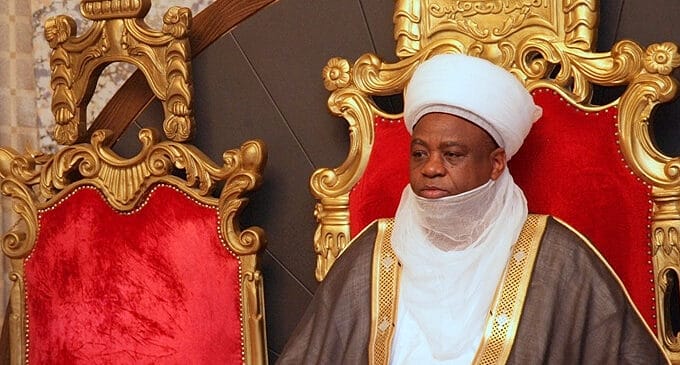
Silence on Sambo Dasuki While Speaking on El-Rufai Unfair, Group Tells Sultan


A civil society group, the Arewa Peace and Development Forum (APDF), has criticised the Muhammad Sa’ad Abubakar over what it described as selective commentary on national issues, accusing the revered monarch of failing to address matters concerning former National Security Adviser, Sambo Dasuki, during his incarceration, while allegedly focusing attention on the case involving former Kaduna State Governor, Nasir El-Rufai.

The Sultan was reportedly quoted as urging President Bola Ahmed Tinubu to either release El-Rufai or formally charge him in court.

However, in a statement issued by its Coordinator, Mal Ibrahim Mohammed Musawa, the group expressed concern over what it termed a “troubling silence” regarding the prolonged legal and political controversies surrounding Sambo Dasuki, a son of the Sokoto traditional institution, whose case has remained a subject of national debate.

According to the statement, the Sultan, as a highly respected traditional and religious leader, occupies a unique position that demands balance, neutrality, and consistency in addressing sensitive national issues.

“It is surprising that the Sultan has not deemed it necessary to publicly speak on the Sambo Dasuki matter, which has far-reaching implications for justice, governance, and the rule of law,” the statement read. “Yet, there appears to be a readiness to comment on personalities like El-Rufai, raising questions about fairness and objectivity.”

The forum further noted that leaders of the Sultan’s stature are expected to serve as moral compasses in times of national uncertainty, urging him to adopt a more inclusive approach when addressing issues affecting different segments of the country.

While acknowledging the Sultan’s longstanding contributions to peacebuilding and interfaith harmony, the group warned that selective silence could undermine public confidence in traditional institutions.

It called on the Sultan to clarify his position and ensure that his interventions reflect broader national interest rather than being perceived as targeted or selective.

The development comes amid heightened political discourse across the country, where public figures and institutions are increasingly being scrutinised over their roles and pronouncements on governance, accountability, and justice.

Kaduna’s 4-Day Work Week Policy Faces Major Legal Test as Appeal Court Hears Challenge

By Mercy Maigana

KADUNA – The controversy surrounding the controversial four-day work and schooling week introduced by former Governor Nasir El-Rufai has reached a critical juncture, with the Court of Appeal in Kaduna on Wednesday hearing arguments in a case that could determine the policy’s future.

The appellate court convened a special session to hear the appeal filed by Kaduna-based legal practitioner Gloria Mabeiam Ballason, who is challenging the constitutionality of the executive order that has reshaped the work rhythm of the state since December 2021.

In a courtroom brimming with legal minds, a seasoned panel of Justices—comprising Hon. Justice Onyekachi Aja Otisi, Hon. Justice Abimbola Osarugue Obaseki-Adejumo, and Hon. Justice Sybil Onyeji Nwaka-Gbagi—listened intently as both parties presented their arguments.

Ballason, representing herself as the Appellant, adopted her brief of argument, passionately urging the justices to allow the appeal and set aside the previous ruling of the lower Court. She argues that the policy, which limits work and schooling to four days weekly, has not only affected workforce productivity and disrupted the academic calendar for school children but also impeded her legal practice.

On the other side, a robust legal team led by the Attorney General of Kaduna State, Dr. J.A. Kanyip, stood firm in defense of the state’s position. Flanked by a team of lawyers including A.A. Aku, S.M. Gamaliel, M.P. Danjuma, and Koni Tauna, the Attorney General adopted their brief and urged the court to uphold the lower court’s ruling and dismiss the appeal. Notably, the Minister of Interior, listed as the 4th Respondent, was absent despite proof of service.

After listening to the submissions from both the Appellant and the Respondents, the presiding Justices reserved judgment, promising to deliver a ruling at a later date.

The decision of the appellate court is highly anticipated, as it promises to provide legal clarity on the scope of a governor’s executive powers and the future of the work schedule for thousands of civil servants and students across Kaduna State.

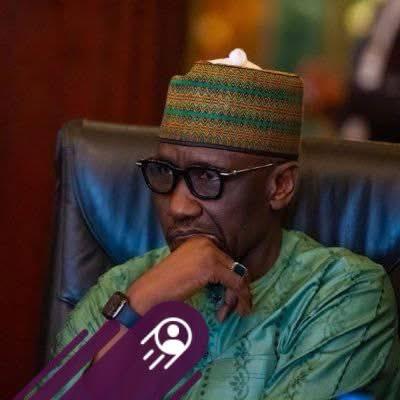
Leadership Beyond Office: The Distinctive Personas of Nuhu Ribadu and Governor Umar Namadi

By Yunusa Hamza (Farin Dutse)

Leadership in its truest sense transcends the mere occupation of public office. It is defined not simply by authority, but by the character, discipline and sense of purpose that leaders bring to governance. In Nigeria’s evolving democratic landscape, the question of leadership quality remains central to national discourse. Citizens increasingly seek leaders whose actions reflect integrity, accountability and a genuine commitment to public service.

Within this context, two contemporary public figures stand out for the clarity of their convictions and the strength of their leadership identities. The National Security Adviser, Nuhu Ribadu, and the Governor of Jigawa State, Mallam Umar Namadi, represent distinctive yet complementary approaches to leadership and governance. Although they operate in different spheres of responsibility, one at the national level and the other within the subnational space, their leadership styles demonstrate how personality and character shape policy direction and governance outcomes.

Nuhu Ribadu’s public identity has for decades been closely associated with courage, reformist zeal and an uncompromising stance on accountability. His rise to national prominence began during his tenure in the anti corruption fight, where he earned a reputation as a principled reformer determined to challenge entrenched systems of abuse and impunity.
Today, as National Security Adviser, Ribadu occupies one of the most strategic positions within Nigeria’s governance architecture. In this role, his leadership style continues to reflect the same attributes that defined his earlier public service. Discipline, institutional thinking and strategic focus remain central to his approach.

Ribadu embodies a leadership persona grounded in firmness and clarity of purpose. His approach prioritises strong institutions, coordinated security structures and long term national stability. Rather than seeking personal acclaim, his leadership reflects a technocratic orientation driven by systems, procedures and institutional discipline.
In times of national uncertainty, particularly within the complex terrain of security management, such traits inspire confidence. Ribadu’s public persona communicates seriousness of purpose and a commitment to confronting threats to national stability with resolve and strategic coordination. His leadership reminds observers that effective governance often requires leaders who are willing to confront difficult realities while strengthening the institutional frameworks that sustain the state.
While Ribadu’s leadership operates within the high stakes arena of national security, Governor Umar Namadi represents a different yet equally significant model of leadership at the state level. His governance approach reflects humility, accessibility and a deep commitment to grassroots engagement.
Governor Namadi has placed considerable emphasis on dialogue between government and citizens. One of the most notable initiatives under his administration is the Citizens Engagement Programme popularly known as Gwamnati da Jama’a. Through this initiative, citizens across Jigawa State’s twenty seven local government areas are provided with a platform to directly express their needs, concerns and expectations to government officials.

The programme also allows government to communicate its ongoing projects and policy priorities to the public. In doing so, it has strengthened transparency, accountability and citizen participation in governance. By opening channels of communication between leaders and the people, the initiative reinforces democratic values and strengthens public trust in government institutions.
Governor Namadi’s leadership identity is also distinguished by what may be described as developmental pragmatism. His administration has focused on practical governance outcomes, including infrastructure development, institutional strengthening and policies aimed at improving the socio economic wellbeing of citizens.
Rather than relying on political slogans, personality driven politics or inherited partisan loyalty, the governor has built his political relevance around governance performance. This approach has contributed to a governance narrative that emphasises steady progress, responsible management of public resources and the pursuit of sustainable development.

In a political environment where rhetoric often overshadows implementation, the emphasis on measurable outcomes represents a refreshing shift. By prioritising delivery over declaration, Governor Namadi has demonstrated that performance in governance can serve as a powerful instrument of political legitimacy.

Equally important is the political dimension of his leadership. At the level of party politics, Governor Namadi has demonstrated calculated political organisation through the consolidation of party structures and grassroots mobilisation. These efforts have strengthened political stability while reinforcing the influence of the All Progressives Congress within the state.
Notably, this consolidation has been achieved largely through governance driven legitimacy rather than coercive political tactics. Development initiatives and social programmes have simultaneously served as instruments of public service and sources of political credibility. In this sense, governance outcomes have become central to sustaining public support.

When viewed together, the leadership trajectories of Nuhu Ribadu and Umar Namadi illustrate two complementary dimensions of governance in Nigeria. Ribadu symbolises national vigilance, reform oriented thinking and institutional discipline within the country’s security architecture. Namadi represents grassroots engagement, stability and pragmatic development within the framework of subnational governance.

While Ribadu operates within the strategic theatre of national security management, Namadi functions within the practical laboratory of state administration. Yet despite these differences, both leaders share common attributes that define effective leadership. Discipline, commitment to reform and a clear departure from empty political rhetoric are among the traits that connect their approaches.

Their contrasting styles also illustrate an important truth about leadership. Governance is multidimensional. At certain moments, leadership requires firmness and the courage to confront systemic threats. At other times, it demands patience, dialogue and the steady construction of development frameworks that improve the lives of citizens.

Ribadu’s leadership energy is largely directed toward confronting threats and strengthening institutional resilience. Namadi’s leadership focuses on building structures that promote social progress and economic stability. Together, these approaches highlight the different but equally important roles that leadership can play within a functioning democracy.
Ultimately, the examples of Nuhu Ribadu and Umar Namadi underscore a fundamental lesson for Nigeria’s leadership culture. Leadership that is anchored in character often proves more enduring than leadership driven solely by charisma. Institutions grow stronger where leaders choose structure over spectacle and governance over personal acclaim.

As Nigeria continues to navigate complex governance challenges, the importance of disciplined and purposeful leadership cannot be overstated. The experiences of Ribadu and Namadi demonstrate that effective leadership does not always announce itself loudly. Sometimes it appears in decisive action to protect national stability. At other times it emerges through patient engagement with citizens and the steady pursuit of development.
In both cases, the defining factor remains the same. Leadership is most impactful when it is authentic, disciplined and aligned with the responsibilities of public office. In a democratic society striving for stronger institutions and accountable governance, such leadership remains not only desirable but essential.

Yunusa Hamza (Tafidan Farin Dutse)
Gwaram Local Government Area
Jigawa State
08034445493
yunusafarindutse@gmail.com
Coalition of Youths From North Defend Kyari, Warn Senate Against ‘Political Witch-Hunt’ Over Alleged NNPCL Discrepancies

…

A coalition of northern youth groups has cautioned the Nigerian Senate against what it described as attempts to politically target former Nigerian National Petroleum Company Limited (NNPCL) Group Chief Executive Officer, Mele Kyari, over alleged discrepancies in the company’s audited financial statements.

The groups, led by the Arewa Youth Assembly for Good Leadership (AYAGL), issued the warning in a press statement on Saturday in Abuja in collaboration with the Forum for Youth Development, Unity and Peace Initiative and 21 other civil society organizations.

The statement, signed by the president of the assembly, Amb. Abdul Danbature, expressed concern over the decision by the Senate to summon Kyari in relation to alleged discrepancies amounting to ₦210 trillion in the financial records of the Nigerian National Petroleum Company Limited.

According to the groups, there has been a growing trend of blackmail and politically motivated accusations aimed at discrediting individuals who have served the country.

“We believe it is important to caution against the growing trend of blackmail, politically motivated accusations and deliberate attempts to discredit individuals who have served this country with dedication,” the statement said.

The youth groups insisted that Kyari demonstrated strong commitment to reforming Nigeria’s oil and gas sector during his tenure as head of the national oil company.

They cited several achievements under his leadership, including the transition of the former Nigerian National Petroleum Corporation into a limited liability company in line with the Petroleum Industry Act, the rehabilitation of Nigeria’s refineries, and efforts to improve transparency and monitoring in crude oil production.

The coalition also credited Kyari with expanding gas infrastructure, strengthening energy security and promoting local participation and youth engagement within the oil and gas industry.

The groups described the former NNPCL chief as a patriotic Nigerian who supported the policies of President Bola Ahmed Tinubu, particularly the administration’s Renewed Hope Agenda aimed at repositioning the country for sustainable economic growth.

They further noted that Kyari had consistently encouraged young Nigerians and supported youth leadership opportunities in strategic sectors of the economy.

“It is unfortunate that after years of service to the nation, attempts are now being made to drag his name into unnecessary controversies capable of distracting him from enjoying his well-deserved retirement,” the statement added.

While acknowledging the constitutional oversight powers of the Senate, the groups urged lawmakers to avoid using such powers for what they described as political witch-hunt or character assassination.

They also called on the Senate to concentrate on pressing national challenges, particularly insecurity affecting communities across northern Nigeria and other parts of the country.

The coalition urged Nigerians to treat the allegations against Kyari with caution and resist attempts by individuals or groups seeking to manipulate public opinion for personal or political interests.

The groups further appealed to relevant institutions to allow the former NNPCL chief to enjoy his retirement without harassment or undue distractions.

“Nigeria must always recognize and respect those who have dedicated their time and expertise to national service,” the statement concluded.