Nigeria’s Sovereignty, Our Unity: Responding to Threats of Foreign Intervention

When we first red the words of President Donald Trump on social media over the weekend that he may send U.S troops into Nigeria over what he described as “Christian killings” in this country, we felt more than surprise. We felt the sharp pang of a violation, not only of facts, but of our dignity as a sovereign nation.

We are saying this as plainly as possible: yes, Nigeria suffers insecurity. But no, we do not live under a campaign of targeted genocide against Christians. Violence in Nigeria is not shaped by faith alone. It is shaped by geography, by poverty, by criminal networks, and by terror groups who kill indiscriminately both Christians and Muslims, infact more Muslims have been killed by these groups than Christians.

When a foreign power threatens invasion or military action on behalf of one religious group, we must see it not as defence, but as interference. It risks dividing us further, weakening our national resolve, and eroding the principle that no external actor takes orders from a sovereign that will not give them. In that moment, we must remind ourselves: we are Nigerians first. United in diversity. Bound by shared citizenship.

President Trump has claimed there are “record numbers of Christians being killed in Nigeria,” suggesting U.S. military action could follow unless those “killings” stop. He even placed Nigeria once more on the so-called “Countries of Particular Concern” list, citing alleged religious freedom violations. When violence occurs in northern or central Nigeria, it may strike Christian communities, especially in mixed-religion zones, but the pattern is not one of religious extermination. It is instead a pattern of insecurity that fails us all. It undermines farmers, destroys villages, displaces families and leaves both Christians and Muslims reeling in pain and anguish.

We must state clearly: Nigeria is a sovereign state. We do not take orders from another sovereign, whether in rhetoric or in action. If any foreign leader believes that military operations can simply be imposed on Nigeria because of alleged human rights violations, then that undermines our constitutional independence. If the U.S. has concerns about religious freedom or violence, there are diplomatic channels, partnership frameworks, multilateral mechanisms. But they do not extend to invading a country under the banner of defence of one religious group. That is dangerous. It could set a precedent not just for Nigeria, but for all nations.

We also must remember: the United States itself faces severe internal challenges. Gun violence, domestic terrorism, civil unrest, fracturing communities etc. These are real issues within its own borders. It is somewhat ironic to issue threats of military intervention abroad while your own soil is grappling with violence. Perhaps America should look inward and address its challenges before brandishing threats against another country.

That said, we cannot dismiss the reality: Nigeria does face a ravaging insecurity crisis. Boko Haram, ISWAP, bandits, kidnappers, ethno-communal violence etc. These are real and they harm people, regardless of faith. We must acknowledge that the government, security forces, civil society and citizens are striving every day to curb the carnage.
There are efforts under way: military operations in the northeast, patrols in rural communities, peace-building dialogues, policing reforms, attempts at disarmament, investment in local conflict resolution mechanisms and coordination with international partners who support not through threats, but through capacity-building.

We must support that. We must urge it. Because while external threats of invasion are misguided, internal reform is both necessary and urgent. Our leaders must be held accountable. Our security architecture must be improved. Our communities must heal.

In this moment of tension, Nigerians must resist the temptation to divide along religious lines. We must reject false narratives that places Christians against Muslims or one region against another. Such division plays into the hands of violent actors which are the terrorists, the extremists, the opportunists, who thrive in fragmentation.

Let us instead remind ourselves of who we are: a country of over 200 million people, with many faiths and ethnicities, united by a shared aspiration for peace, security and development. When we say “security for all,” we mean every Nigerian, regardless of faith or tribe.

When foreign voices threaten intervention in the name of one group, we should see that as a call not to turn inward in anger alone, but to stand outward in solidarity. We must also call on our leaders to continue to fight insurgency, modernise our security forces, ensure justice for victims, invest in community protection and reform local governance. Let our security strategy be shaped by Nigerians first, with Nigerian consent, not by pressure applied from beyond our borders.

Conclusively, let us not celebrate the absurd idea that an American leader might invade our land for alleged failures that do not reflect the full picture. That kind of rhetoric divides more than it heals.
Instead, let us affirm our unity. Let us work harder to build a security architecture that protects all Nigerians. Let us demand good governance, efficient security service, and genuine justice. Let us resist external coercion, and stand tall under our own flag.

May we remain one people, one nation, committed to peace, justice and greater destiny under God Almighty.

Dr. Awwal Abdullahi Aliyu, President, Northern Consensus Movement for peace unity empowerment and Development initiative. NSNCM.
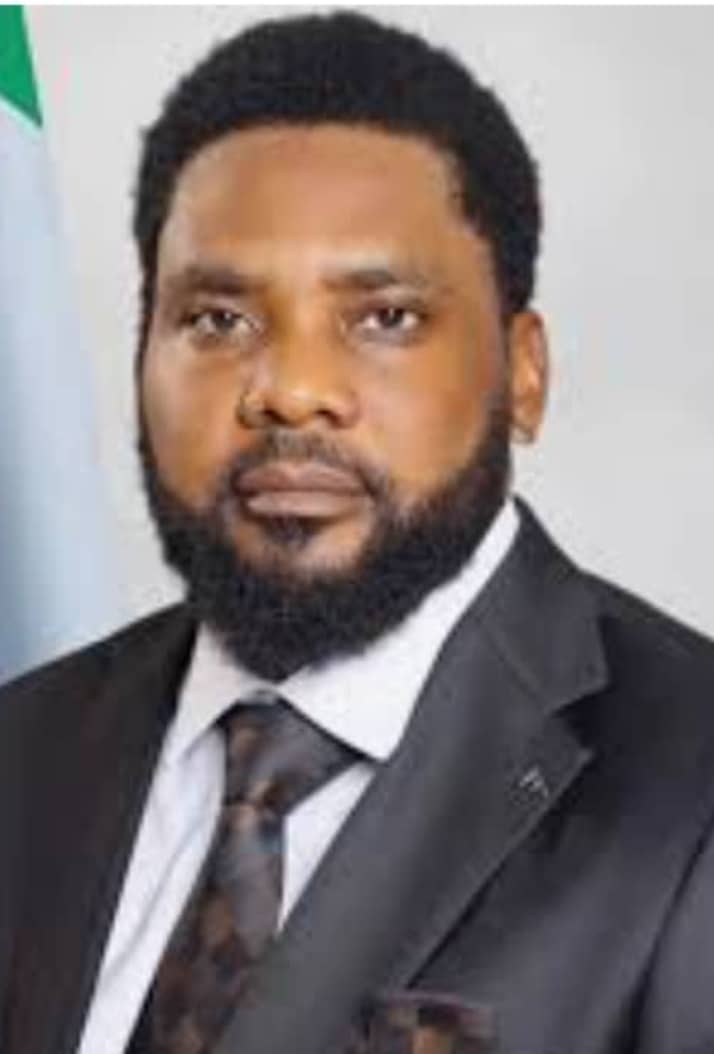
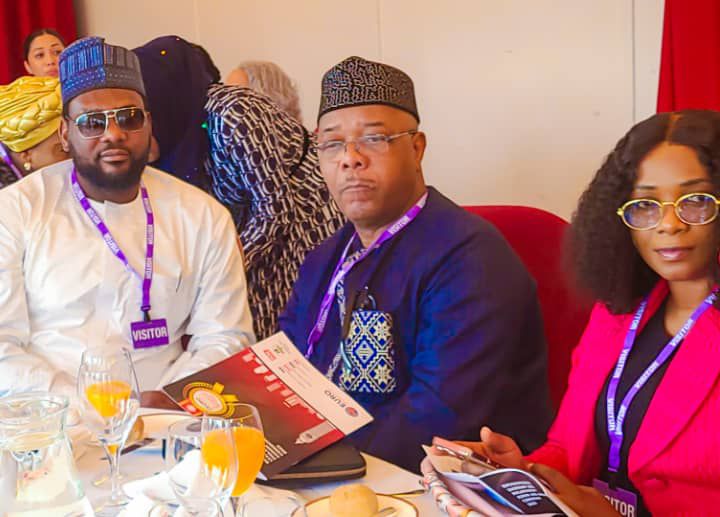
Renewed Hope Agenda: Dr Mustapha Abdullahi Walking The Talk.

President Bola Ahmed Tinubu’s Renewed Hope Agenda is the overarching philosophy guiding his administration’s policies, which focus on restoring confidence, attracting investments, and empowering citizens through various initiatives.

Renewed hope” means a revived or re-established sense of optimism and belief in a positive future, often after a period of difficulty or disappointment.

It signifies regaining hope and confidence, whether through personal effort, external programs, or spiritual means, to overcome challenges and strive for a better life.

For Dr Mustapha Abdullahi, Director General of Energy Commission of Nigeria, (ECN) his devotion and dedication to attracting investments in the energy sector and striving to put the sector in the global map is highly commendable.

As a dedicated believer in the Renewed Hope Agenda and it’s benefits to Nigerians, he has made exploits in repositioning the energy sector.

Recently, Dr Mustapha Abdullahi recorded a great feat and landmark achievement as he finalized partnership between Nigeria and the World’s Largest Solar Panel Production Company LONGi, At its Headquarters In China.

Nigeria concluded a strategic partnership through the Energy Commission of Nigeria (ECN), with the World’s Largest Solar Panel Production Company, LONGi, in Xi’an, Shaanxi China.

The Nigerian delegation, the Energy Commission of Nigeria ECN led by its Director-General, Dr. Mustapha Abdullahi was received by President Boshen Zhong and Vice President Li Wenxue of LONGi, were taken on a tour of one of the world’s largest solar cell production facilities.

The visit follows the Memorandum of Understanding (MoU) signed between ECN and LONGi in London earlier this year.

While on the visit, Dr Mustapha Abdullahi advanced discussions on the establishment of a 500–1000 MW solar panel production factory in Nigeria; a move set to significantly boost the nation’s renewable energy sector.

ECN’s presentation highlighted Africa’s growing market and the demand potential for solar mini-grids and also, emphasized President Bola Ahmed Tinubu’s Renewed Hope Solarisation Policy, which seeks to accelerate access to clean energy across Nigeria.

This is as LONGi expressed strong interest in investing in Nigeria and demonstrated readiness to advance concrete plans for the construction of the factory.

This partnership marks a historic milestone for the Nigerian renewable energy landscape and aligns with national efforts to expand local solar manufacturing capacity.

The ECN which is working assiduously to ensure that Nigerians enjoy improved electricity, a vision of the Dr. Abdullahi Mustapha led management to deliver on the Renewed Hope Initiative of President Bola Ahmed Tinubu administration’s policy on solarization, looks forward to working closely with LONGi and the Federal Government to realize this transformative initiative, which will create jobs, enhance energy security, and drive sustainable development across the country.

In another positive development and constant pursuit of delivering the benefits of Renewed Hope Agenda to the people, the Energy Commission Of Nigeria through its DG, Dr Mustapha Abdullahi signed a Memorandum of Understanding with UNIDACO Limited, London, for an initial €100 million investment in Nigeria’s energy sector.

The DG of ECN who disclosed this said, “The signing, held at the House of Lords, London, during the Renewed Hope Global Dialogue (UK Edition), marks a major milestone in advancing Nigeria’s clean energy transition.”

According to him, “This partnership underscores our commitment to expanding renewable energy access, driving innovation, and strengthening Nigeria’s capacity to harness clean technologies.

“Moreover, it aligns with President Bola Ahmed Tinubu’s Renewed Hope Agenda, particularly on sustainable energy solutions as a catalyst for economic growth and development.

“This distinctive MoU was signed in the presence of dignitaries and investors of repute from Nigeria and across the world.

“Overall, this milestone reaffirms our resolve to deepen global partnerships that will accelerate Nigeria’s energy transformation. Together, we are charting a new course toward an inclusive, energy-secure, and prosperous nation built on innovation and collaboration. The DG, Energy Commission revealed.

With ardent adherents of Renewed Hope Agenda like Dr Mustapha Abdullahi, DG of ECN, the government of President Bola Ahmed Tinubu is sure walking the talk of Renewed Hope Agenda.

KANO’S GEOSTRATEGIC RELEVANCE IN NIGERIA’S CONFLICT LANDSCAPE: BEYOND POLITICS – WHY KANO DESERVES A SPECIAL FEDERAL STATUS

By Aminu Hussaini

Kano State is crucial to Nigeria’s security and economic future, serving as a shield and gateway. The state’s strategic location and economic significance is important to national stability. Barrister Aminu Hussaini Sagagi in this write up examines why Kano’s strategic security and a major economic driver, deserves a dedicated federal funding, with infrastructure investment, and institutionalization as a special Federal Security and Economic Status.


In the unfolding dynamics of Nigeria’s national security and economic future, Kano State stands as both a shield and a gateway — a critical axis whose stability is indispensable to the peace and prosperity of the nation. The strategic need for the Federal Government to accord Kano a special Federal Security and Economic Status has become not just desirable but urgent, given the State’s centrality as a security buffer zone and a commercial hub vital to Nigeria’s regional and continental aspirations.

This urgency has been underscored by recent reports of bandit incursions in Shanono Local Government Area, signaling the growing fragility of the northern security belt. These attacks are a stark reminder that even relatively stable states like Kano are not immune to the spillover of violence from surrounding regions. The time to act is now — before the ripple of insecurity breaches Kano’s long-standing resilience.

A Strategic Security Buffer in Northern Nigeria

Kano occupies a rare and irreplaceable position in Nigeria’s security architecture. It sits at the crossroads of the North-West, North-East, and North-Central regions, all corridors of complex conflicts involving insurgency, banditry and communal tension.

For over a decade, Kano has served as a stabilizing buffer, preventing the contagion of insecurity from neighbouring states such as Kaduna, Zamfara, Katsina, Bauchi and Yobe. This function has not happened by accident; it is the product of community vigilance, responsible governance and proactive local collaboration with federal security agencies.

But with the recent rise in cross-border bandit activity, especially the attacks in Shanono, the State’s strategic insulation faces serious strain. If Kano’s stability falters, the humanitarian and economic consequences could be national in scale. This is why the Federal Government must act swiftly to institutionalize Kano’s protection through a clearly defined federal security framework.

A Federal Security and Economic Designation

Kano’s significance transcends local or regional boundaries. Its stability underpins national cohesion, northern economic productivity, and inter-state commerce.

What the moment demands is an official Federal Security and Economic Designation — a framework that integrates military, intelligence and economic interventions under a unified federal structure, akin to the model used for the Niger Delta and the Federal Capital Territory. Such a designation would ensure dedicated federal funding, enhanced security coordination and infrastructural investment aligned with Kano’s role as Nigeria’s northern economic hub.

Economic Gateway to the African Continental Free Trade Area (AfCFTA)

Kano is more than a domestic stronghold; it is Nigeria’s gateway to continental trade. With the operationalization of the African Continental Free Trade Area (AfCFTA), Kano’s position as a commercial and logistics hub becomes a matter of national strategy.

The State connects Nigeria directly to the Sahel and North Africa through well-established trade routes and emerging infrastructure like the Kano–Maradi railway, Aminu Kano International Airport and the Dala Inland Dry Port. To ignore Kano’s economic potential is to undermine Nigeria’s leverage in the AfCFTA framework.

A Federal Economic Zone status would strengthen these corridors, attract investment and institutionalize Kano as a major driver of Nigeria’s regional export economy.

A Moment of Opportunity under a Progressive State Administration

This is also a moment of historic alignment between opportunity and leadership. Kano today is governed by an aggressively progressive administration, under His Excellency, Alhaji Abba Kabir Yusuf — one that has demonstrated readiness to reform, innovate and partner constructively with the Federal Government.

Seizing this window of cooperation is crucial. A federal intervention now will not only reinforce Kano’s stability but also amplify the developmental momentum already being driven by the State Government in areas such as education, urban renewal, industrial revitalization and youth empowerment.

Waiting for instability to escalate before responding would be a costly mistake. The Shanono incident should be treated as a warning shot — not an isolated occurrence. The Federal Government must act with dispatch, leveraging the synergy with Kano’s reform-minded administration to secure and strengthen the State’s strategic role in Nigeria’s future.

Why Federal Designation is Essential

Granting Kano this dual status — as a Federal Security and Economic Zone — will institutionalize federal security coordination in the State; protect national industrial and commercial assets; enhance cross-border trade and anti-smuggling frameworks; strengthen Nigeria’s northern logistics corridor for the AfCFTA; and reinforce national unity through shared economic prosperity.

Such a designation could be achieved via Presidential Executive Order or Legislative Action, providing a durable legal basis for sustained federal engagement and investment.

Conclusion

Kano’s stability is not just a regional issue, it is a national imperative. With rising insecurity in the northern corridors and new economic frontiers opening under the AfCFTA, Kano’s role as both a fortress and a frontier must be preserved and enhanced.

The Federal Government has before it a rare convergence of opportunity and necessity: a progressive State leadership willing to collaborate and a moment demanding swift, strategic action.

To delay is to invite crisis. To act now is to safeguard the nation’s future. Because when Kano stands, Nigeria stands. Kano must never be allowed to fall.


This piece is contributed by Barrister Aminu Hussaini, the Special Adviser on Justice/Constitutional Matters to His Excellency, Alhaji Abba Kabir Yusuf, Executive Governor of Kano State.

MBF Commends Bauchi, Kaduna Governors for Promoting Justice Through Traditional Leadership Reforms

By Mike Odeh James

The Middle Belt Forum (MBF) has applauded the Governors of Bauchi and Kaduna States — Senator Bala Abdulkadir Mohammed and Senator Uba Sani — for implementing reforms aimed at strengthening traditional leadership structures and ensuring fairness for long-marginalized communities.

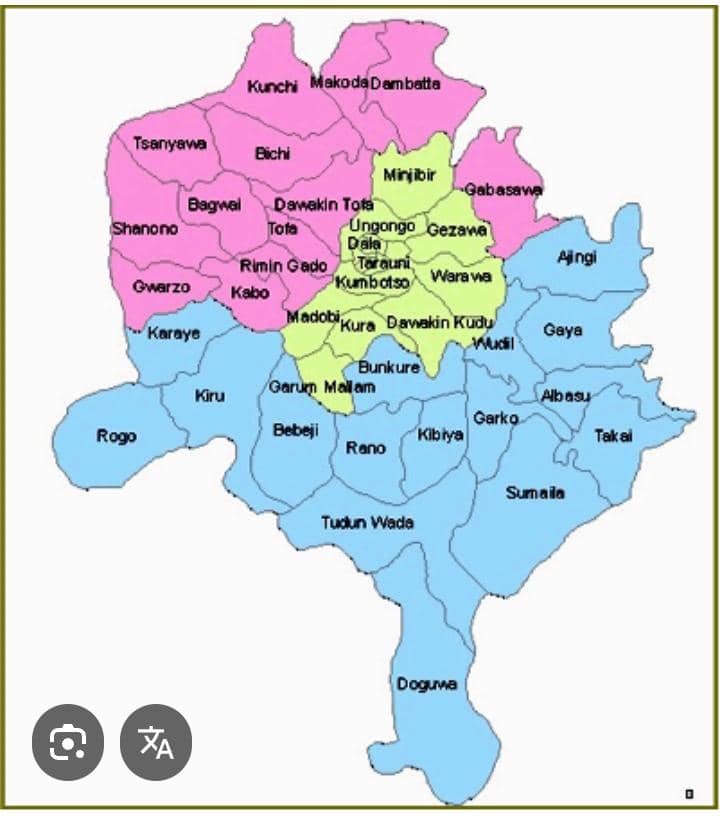
In a statement issued on Tuesday by its National Publicity Secretary, Luka Binniyat, the MBF described Governor Bala Mohammed’s approval of 13 new Emirates and the long-awaited Zaar (Sayawa) Chiefdom as a “bold and historic” move that corrects decades of injustice and exclusion.

According to Binniyat, the creation of the Zaar Chiefdom brings to an end a century-long demand by the Zaar people for recognition of their cultural identity and self-governance. “For generations, the Zaar have sought official acknowledgment of their traditions and leadership. This development represents a long-overdue act of justice,” the Forum noted.

He explained that during the colonial period, the British placed the Zaar community under the Fulani Bauchi Emirate for administrative convenience — despite the Zaar never being conquered or assimilated by either Fulani or Kanuri rulers. This, he said, led to years of marginalization and sporadic conflict.

The MBF described the establishment of the Zaar Chiefdom and other new Emirates as “a testament to inclusive leadership,” restoring dignity and identity to numerous indigenous communities across Bauchi State.

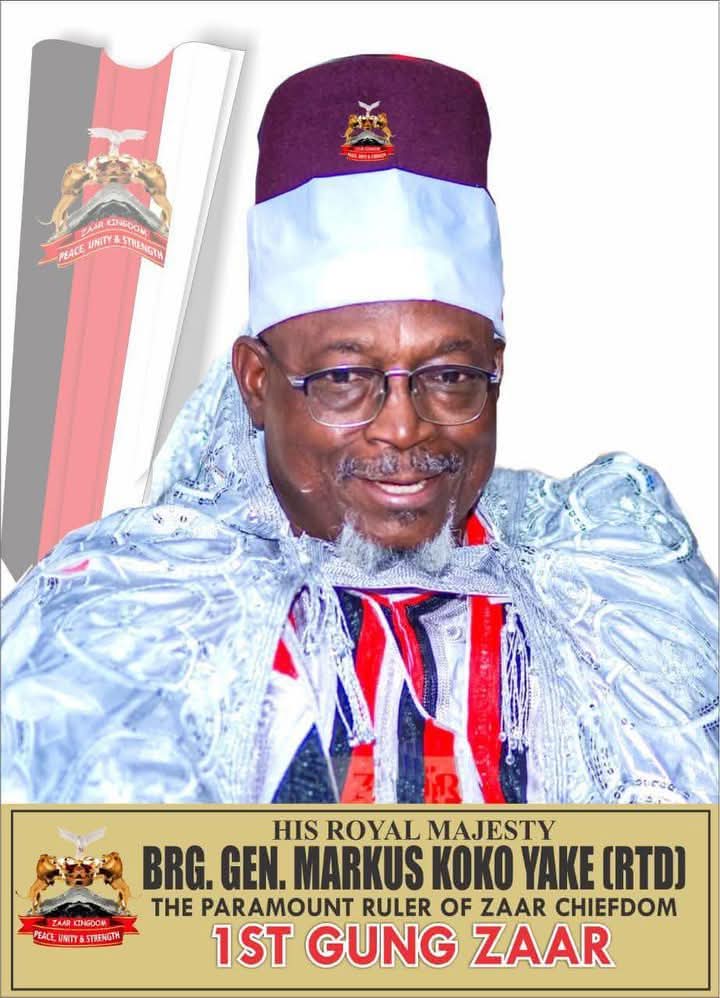
The Forum also congratulated Brigadier-General Marcus Kokko Yake (rtd), who was installed as the first Gung-Zaar, urging the Zaar people to rally behind him in fostering peace, unity, and progress.

Similarly, the MBF welcomed the appointment of traditional rulers in the newly established Emirates, including:

  • Emir of Duguri – Alhaji Adamu Mohammed
  • Emir of Bununu – Alhaji Jibrin D. Hassan
  • Emir of Toro – Alhaji Adamu Umar
  • Emir of Lame – Alhaji Aliyu Yakubu Lame
  • Emir of Ari – Alhaji Muhammad Kilishi Musa
  • Emir of Burra – Alhaji Ya’u Shehu Abubakar
  • Emir of Warji – Alhaji Ibrahim Samaila Boyi

In the same vein, the Forum commended Kaduna State Governor Uba Sani for ensuring a peaceful and transparent transition in the Ikulu Nation, following the appointment of His Royal Highness Mr. Sunday Bature Likoro as the new Agwam Ikulu III of Zangon Kataf Local Government Area.

Binniyat described Governor Sani’s handling of the succession process as exemplary, noting that the new monarch’s wealth of experience and understanding of his people would promote reconciliation and stability in Southern Kaduna.

The Middle Belt Forum concluded by urging traditional leaders and their communities in Bauchi and Kaduna States to work together in promoting peace, inclusiveness, and regional development for the overall progress of the Middle Belt.

Breaking: Pioneer Spelling Bee Launched to Boost Literacy in Honor of Gov Uba Sani

A trailblazing Spelling Bee Competition has been launched in Kaduna State to promote literacy and academic excellence among students, in honour of Governor Uba Sani.

The initiative, fully sponsored and driven by Barrister Aisha Ahmad Mohammad, Secretary of the Kaduna State Internal Revenue Service (KADIRS), is designed to inspire healthy academic competition and reward excellence across the state’s three zones.

She disclosed that all arrangements for the Zone 1 event have reached an advanced stage. She added that the competition will proceed to Zones 2 and 3, culminating in a State Grand Finale where the overall champion — known as the Gwani — will emerge.

“Each zone will have its own prizes,” she said, “and in addition, there will be the Speaker Abbas Prize, a capital project award to be executed in the best-performing schools in both the Junior and Senior categories.”

“This is about giving our children confidence through knowledge — empowering them to dream big and excel,” Barrister Aisha explained.

She called on all Local Government Chairmen to give their full support and blessings for the success of the programme, describing it as a pioneer effort to rekindle the reading culture and strengthen the foundation of literacy in Kaduna State.

Barrister Aisha further revealed that the semi-final rounds will take place across the Local Government Areas in November, while the Grand Finale will be held in Zaria, Insha Allah, in January.

Although privately sponsored, the initiative aligns with Governor Uba Sani’s broader human capital development agenda, which prioritizes education, youth empowerment, and equal learning opportunities as the pillars of Kaduna State’s sustainable progress.

ECN, UNIDACO Ink €100m Deal to Boost Nigeria’s Clean Energy Transition

The Energy Commission of Nigeria (ECN), under the leadership of Dr. Mustapha Abdullahi as Director General, has signed a Memorandum of Understanding with UNIDACO Limited, London, for an initial €100 million investment in Nigeria’s energy sector.

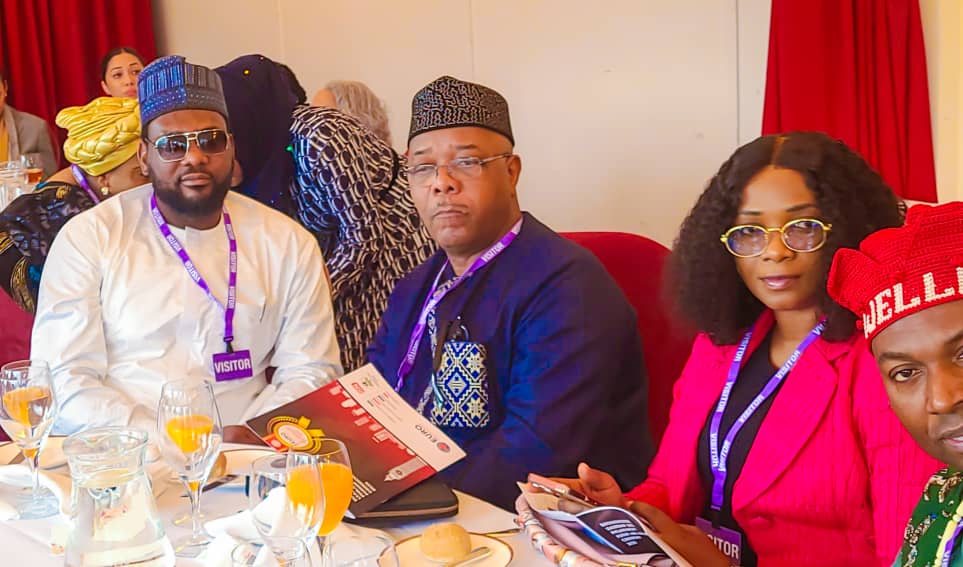
The signing, held at the House of Lords, London, during the Renewed Hope Global Dialogue (UK Edition), marks a major milestone in advancing Nigeria’s clean energy transition.

According to Dr. Abdullahi, “this partnership underscores our commitment to expanding renewable energy access, driving innovation, and strengthening Nigeria’s capacity to harness clean technologies.

“Moreover, it aligns with President Bola Ahmed Tinubu’s Renewed Hope Agenda, particularly on sustainable energy solutions as a catalyst for economic growth and development,” Abdullahi stated.

He further disclosed that “this distinctive MoU was signed in the presence of dignitaries and investors of repute from Nigeria and across the world.

“Overall, this milestone reaffirms our resolve to deepen global partnerships that will accelerate Nigeria’s energy transformation. Together, we are charting a new course toward an inclusive, energy-secure, and prosperous nation built on innovation and collaboration,” he restated.

ADC Kaduna in Political Showdown: Acting Chairman Survives Alleged Coup Attempt

The Kaduna State chapter of the African Democratic Congress (ADC) has emphatically rejected as null and void the purported expulsion of its Acting Chairman, Hon. Ahmed Tijjani Mustapha, and several other senior party officials in the state.

In a statement issued on Monday, October 27, 2025, and signed by the State Publicity Secretary, Engr. Idris Musa, the party described the alleged expulsion as a desperate ploy by individuals who, according to the ADC, are not bona fide members of the party.

Engr. Musa asserted that the people behind the purported expulsion are members of the Social Democratic Party (SDP) in Kaduna State but have been masquerading as ADC members to hijack the party’s structure in the state and across the North-West zone.

“We wish to inform all well-meaning and duly registered members of the ADC in Kaduna State to disregard the said expulsion, as it is considered null and void,” the statement said.

“The action appears to be a desperate attempt by individuals who are not members of the ADC but are struggling to take over the party under the guise of coalition partners. It’s either you are in the ADC or you are out,” the statement added.

The party further linked the alleged expulsion to a pending legal case — Suit No. FCT/HC/GAR/CV/383/2025 — filed at the FCT High Court in Abuja, which reportedly challenges the dual membership status of former Kaduna State Governor Malam Nasir El-Rufai and others.

Engr. Musa noted that the move against the state leadership, including Hon. Ahmed Tijjani Mustapha, Engr. Idris Musa, Alhaji Suleiman Abdulkadir, and Barr. Danlami Dabai, was a “fight-back” by those affected by the legal action.

The statement urged ADC members across Kaduna State to remain calm and law-abiding while the matter is before the court.

“We will not join issues with these individuals, especially in view of the pending case at the FCT High Court in Abuja. Our party will continue to operate in accordance with its Constitution and principles, and we will not be swayed by the antics of desperate politicians,” it stated.

The ADC reaffirmed its commitment to internal democracy, the rule of law, and the unity of its members in Kaduna State and beyond.

Senator Shehu Sani Tasks Islamic Clerics To Shun Political Deceit, Endorses Governor Uba Sani’s Re-election

Former Kaduna Central lawmaker, Senator Shehu Sani, has cautioned Islamic clerics to be vigilant and wary of the vain promises and deceitful tactics often employed by politicians during election periods.

Speaking during an interactive session with Islamic scholars across the 23 local government areas of Kaduna, Senator Sani urged clerics to resist inducements and political manipulation aimed at winning their support for selfish political interests.

He, however, called on Islamic clerics across Kaduna State to support the re-election bid of Governor Uba Sani, whom he described as a leader committed to good governance and responsive to the needs of the people.

According to the former senator, Governor Uba Sani has demonstrated a high sense of responsibility and dedication to addressing the yearnings of citizens since assuming office nearly two years ago.

Senator Sani further encouraged the clerics to unite in identifying and presenting the major needs of the Muslim community—such as the renovation of mosques, establishment of Islamic schools, and support for orphanages—to the government in a structured and coordinated manner.

He warned religious leaders to beware of political figures who only seek their support during elections and neglect them thereafter.

“The era of deceit and the use-and-dump approach to Islamic clerics is over,” Senator Sani declared.

He appealed to the religious leaders to continue praying for Governor Uba Sani and to support his administration, describing the governor as a listening and visionary leader committed to the development of Kaduna State.

In their brief remarks, several Islamic clerics commended Senator Sani for taking the bold step to convene such a meeting, which they said exposed the deceitful tendencies of some politicians.

They also pledged to use their influence as mobilisers to support credible leaders with proven records of capacity and performance in future elections.

FROM DECAY TO DYNAMISM: HOW GOVERNOR AKY IS REWRITING KANO’S STORY WITHIN TWO YEARS OF PURPOSE

By: Barrister Aminu Hussaini Sagagi

“Governor Abba Kabir Yusuf’s administration has marked two years of impactful leadership, transforming Kano State with notable progress. Barrister Aminu Hussaini Sagagi, Special Adviser on Justice and Constitutional Matters, highlights how AKY’s purposeful drive shifted Kano’s narrative from decline to dynamism, leaving a positive footprint across the state.”

When the chronicles of Kano’s modern history are written, Governor Abba Kabir Yusuf (AKY) will be remembered as the leader who broke barriers, challenged complacency, and redefined what purposeful governance can achieve. In just two eventful years, the AKY administration has embarked on an unprecedented mission to rebuild, restore, and renew the ancient city — bulldozing through decades of neglect, obstacles, and cynicism with a vision anchored on people-centered development.

Breaking the Mold: From Tradition to Transformation

Kano, the pride of Northern Nigeria and the region’s commercial heartbeat, had long grappled with urban decay, unemployment, and institutional decline. Many saw the system as too entrenched to change. But Governor AKY came into office with a bulldozer’s resolve — committed to sweeping away stagnation and building a new Kano founded on transparency, inclusion, and progress.
His mantra, “development against all odds,” has guided an administration focused not on politics, but on practical results that touch everyday lives.

Infrastructure Renewal: Roads, Bridges, and a Brighter Kano

Under Governor AKY’s leadership, infrastructure development has assumed new urgency. The Kano Urban Renewal Project continues to transform the metropolis through the reconstruction and expansion of key roads, modern roundabouts, and improved traffic management systems. But beyond roads, one of the administration’s most visible achievements is the widespread installation of solar-powered street lighting systems across major highways, inner streets, and communities. Across every road in the metropolis, the new lights have not only enhanced nighttime aesthetics but have also boosted security and extended economic activity after dark, revitalizing nightlife and trade in a city once plunged into darkness. The Governor’s commitment to safety and visibility has made Kano’s nights brighter, indeed!

Education and Human Capital: Reviving Dreams, Rebuilding Institutions

No sector demonstrates AKY’s reformist spirit better than education. Recognizing that a society’s future lies in the strength of its learning institutions, the Governor launched a massive campaign to revitalize abandoned and closed tertiary and technical institutions across the state.
Campuses once left in ruins — from Audu Bako College of Agriculture to Kano State Polytechnic satellite campuses and skills acquisition centers — have been reopened, renovated, and re-equipped. Thousands of young people have returned to classrooms and workshops that had been silent for years.

Through these efforts, the administration has breathed life back into the state’s educational ecosystem, creating new pathways for youth empowerment, technical training, and self-reliance.
Complementing this is the revival of scholarship programs and targeted investments in primary and secondary schools, ensuring that education remains accessible from the grassroots upward.

Restoring Order: Combating Drug Abuse, Idleness, and Hooliganism

Governor AKY’s vision for a new Kano goes beyond physical renewal; it extends to the moral and social rebirth of its people. Confronted with the rising menace of drug abuse, youth idleness, hooliganism, and phone-snatching crimes, his administration has mounted an aggressive campaign to reclaim the streets and restore sanity.
Working hand-in-hand with security agencies, recently launched marshals, community leaders, and the National Drug Law Enforcement Agency (NDLEA), the State Government has intensified raids on drug hotspots, supported rehabilitation programs, and promoted widespread public awareness on the dangers of substance abuse. Simultaneously, through the reopening of skills acquisition centers and targeted youth empowerment schemes, thousands of at-risk youths have been redirected from the streets into productive engagement.
The combined effect of improved street lighting, community policing, and socio-economic intervention has drastically curtailed phone-snatching and gang-related violence, turning former hotspots of fear into safe and vibrant neighborhoods. This multi-layered approach to youth reform embodies the Governor’s belief that progress is meaningless if not accompanied by peace, discipline, and hope.

Healthcare and Human Dignity

Governor AKY’s people-oriented governance extends deeply into the health sector. His administration has rehabilitated general hospitals and primary health centers, provided modern equipment, and recruited medical personnel to fill critical gaps. The Free Medical Outreach Program, introduced in 2024, has delivered life-saving services to thousands of indigent residents — reinforcing the government’s belief that healthcare is a right, not a privilege.

Environmental Renewal and Urban Cleanliness

Just recently known for its waste-choked streets and blocked drainages, Kano has undergone a quiet environmental revolution. The revival of the Refuse Management and Sanitation Board (REMASAB) has restored discipline and hygiene to public spaces. Likewise, regular waste collection, re-greening projects, and the rehabilitation of parks have improved urban living standards, while the city’s beautification drives are giving Kano a new and modern face.

Empowering the People: Youths, Women, and Enterprise

Governor AKY’s inclusive governance places ordinary citizens at the heart of progress. Through the Kano Empowerment and Skills Support Scheme, thousands of women, youths, and artisans have received tools, equipment, and grants to start or expand small businesses. From tailoring and welding to ICT and automotive training, the State’s renewed skills acquisition centers now serve as hubs of innovation — transforming job seekers into job creators.

Governance with Integrity and Accountability

Governor AKY’s administration stands out for its commitment to transparency and participatory governance. Financial prudence, open procurement processes, and community consultations have restored public trust in leadership.
Traditional rulers, civil society, and youth representatives are now partners in planning and implementation, ensuring that policies reflect real community needs rather than elite preferences.

Defying the Odds, Defining a Legacy

The journey has not been without resistance — from political opposition to bureaucratic bottlenecks — yet, Governor Abba Kabir Yusuf has continued to bulldoze through challenges with focus and conviction. His results speak for themselves: a brighter city, safer streets, revived schools, empowered youths, cleaner environments, and restored public trust.
Two years on, the message is clear — leadership anchored on sincerity and courage can indeed transform even the most complex societies.

A Vision Beyond Two Years

As Kano looks ahead, the foundations of a new era have been firmly laid. Governor AKY’s vision extends beyond his tenure — toward a state that thrives on knowledge, peace, and productivity. From the glow of new streetlights to the hum of reopened institutions, from the discipline of reformed youths to the smiles of empowered citizens, Kano’s transformation is real and visible.
The facts carry one enduring truth: when leadership bulldozes obstacles with sincerity and courage, transformation becomes inevitable.

Barrister Aminu Sagagi, SA Justice/Constitutional Matters, sent this piece from Kano.

Uba Sani Hails Late Abiodun Aremu as Hero of Democracy, Vows Support for His Family…Activists Applaud Governor’s Solidarity

Kaduna State Governor, Senator Uba Sani, has pledged full support to the family of the late human rights activist, Comrade Abiodun Aremu, who recently died in a tragic hit-and-run incident in Ogun State.

Speaking through former lawmaker, Senator Shehu Sani, who represented him at the burial ceremony held on Thursday in Sango-Ota, Ogun State, the governor described the late activist as a courageous fighter who dedicated his life to the struggle for democracy, justice, and human rights in Nigeria.

Governor Sani extolled Comrade Aremu’s steadfastness during the dark years of military dictatorship, noting that his sacrifices and resilience contributed immensely to the democratic freedom Nigerians enjoy today.

“Comrade Aremu was a man of conviction and courage who stood on the side of truth, even in the face of intimidation and persecution. His contributions to the pro-democracy struggle will never be forgotten,” Governor Uba Sani stated.

The burial ceremony attracted a large turnout of prominent activists and civil society leaders from across the country, including Chief Femi Falana (SAN), Dr. Joe Okei-Odumakin, and representatives of the Nigeria Labour Congress (NLC), Academic Staff Union of Universities (ASUU), and Trade Union Congress (TUC), as well as veteran student leaders such as Segun Maiyegun.

In his tribute, Chief Femi Falana (SAN) described the deceased as “one of Nigeria’s most consistent and principled activists,” recalling how he was imprisoned during the pro-democracy struggle and led campaigns for the release of detained rights icons such as Chief Gani Fawehinmi and Dr. Beko Ransome-Kuti.

Other speakers reflected on shared moments from the 1990s struggles, recalling how Uba Sani, then an activist himself, coordinated the activities of the Campaign for Democracy (CD) and worked closely with Comrade Aremu and other movement leaders in the fight against military rule.

They also commended the Kaduna governor for standing by the family of his late comrade, describing the gesture as a demonstration of genuine solidarity and enduring commitment to the ideals of social justice.

Governor Sani, in his message, urged the younger generation to emulate Comrade Aremu’s passion for justice, courage in the face of adversity, and unwavering commitment to the enthronement of true democracy in Nigeria.

Late Comrade Abiodun Aremu, who was the Secretary of the Joint Action Front (JAF) — the umbrella body for pro-labour civil society organisations — reportedly died on October 12 after being knocked down by a vehicle near his residence in Ota, Ogun State. He was 65 years old.