By Sandra Ada Odeh
Kaduna
The CLEEN Foundation has raised fresh concerns over Nigeria’s criminal justice system, warning that widespread rights violations continue across 12 states despite the adoption of the Administration of Criminal Justice Law (ACJL).
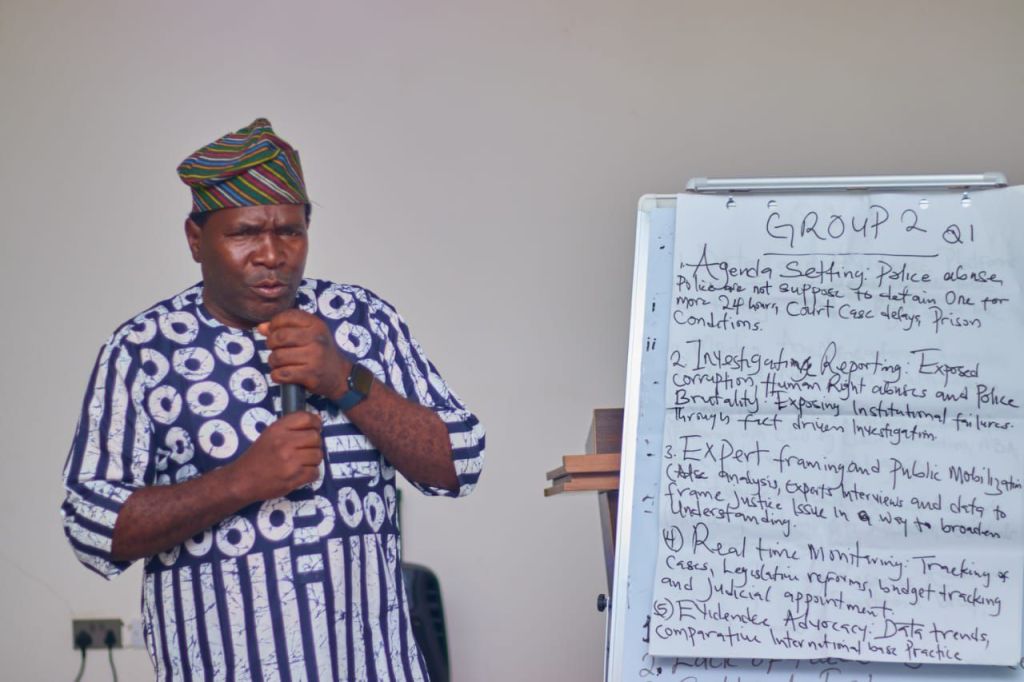
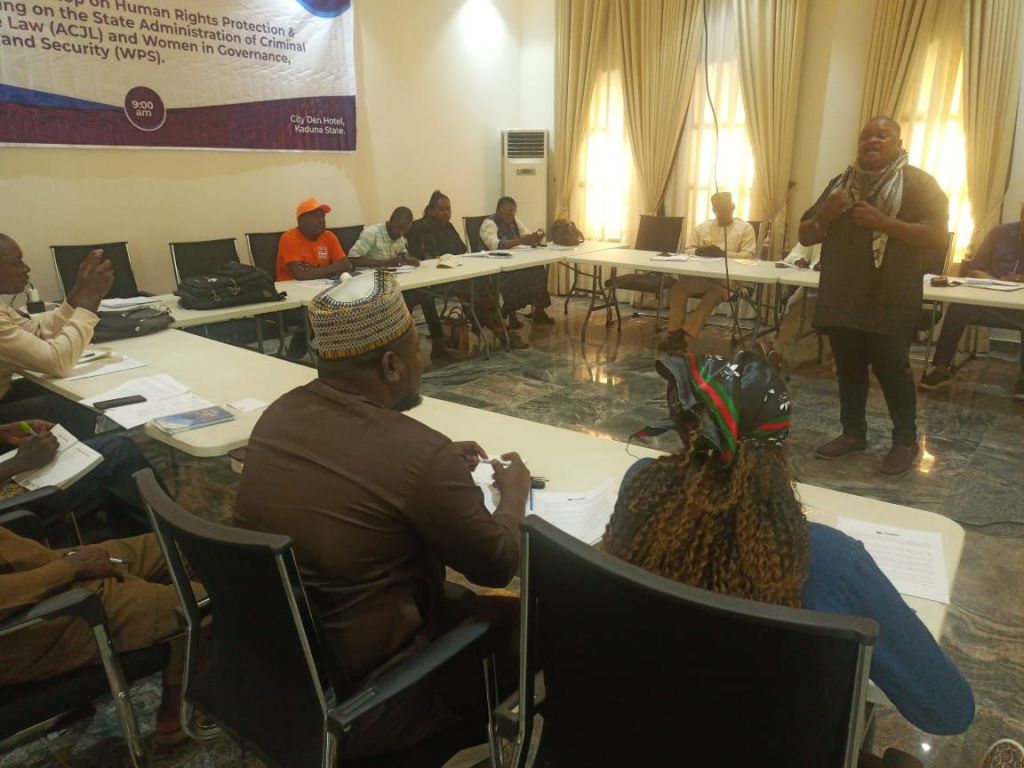
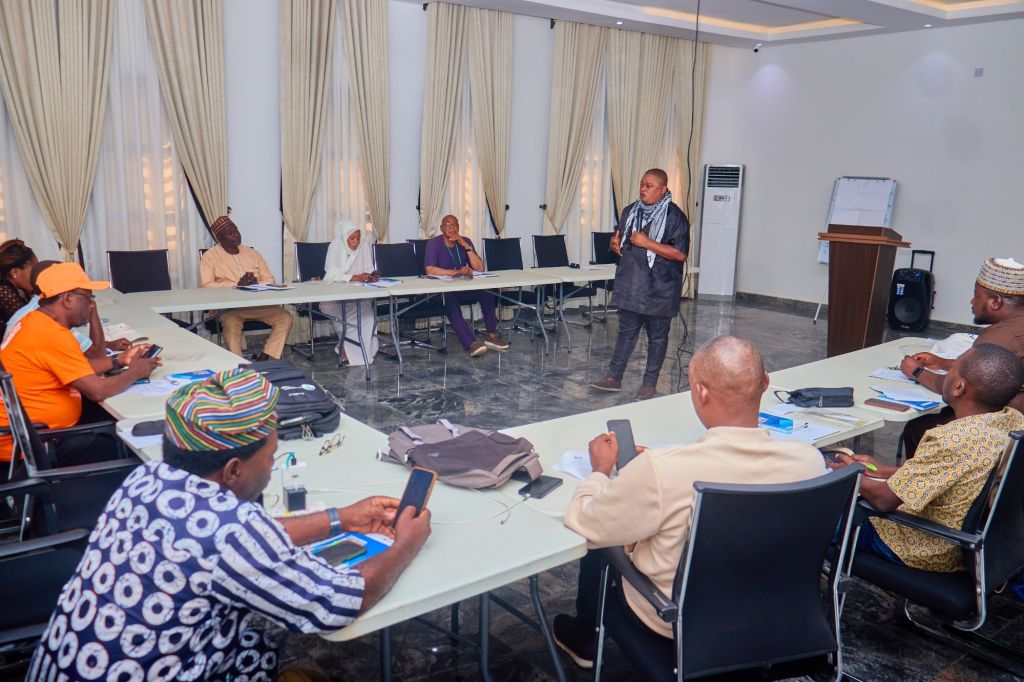
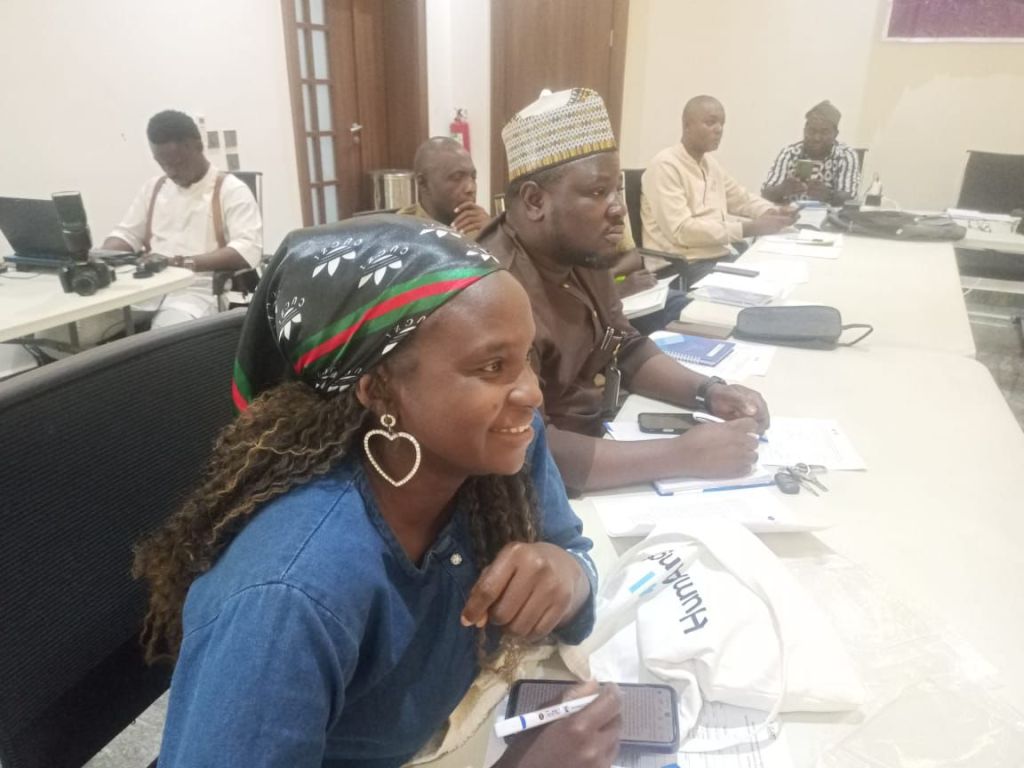
The warning is contained in a policy brief released in Kaduna on Friday, December 11, 2025, which found that unlawful arrests, arbitrary detention, and other abuses prohibited under the ACJL remain prevalent, largely due to weak enforcement and low public awareness of legal protections.
The states covered in the report are Adamawa, Gombe, Jigawa, Kaduna, Plateau, Benue, Ekiti, Lagos, Enugu, Imo, Akwa Ibom, and Cross River.
According to the report, although 86 per cent of justice sector officials surveyed said they understand the provisions of the ACJL, citizens continue to experience practices the law was designed to eliminate, raising questions about implementation at the state level.
One of the major concerns highlighted is the continued practice of “arrest in lieu,” where relatives or associates of suspects are detained instead of the individuals actually wanted by law enforcement. The report notes that the practice, which is expressly outlawed by the ACJL, still occurs in several jurisdictions, exposing innocent persons to unlawful detention and abuse.
The Foundation also noted that many Nigerians remain unaware of their fundamental rights, including protection against unlawful arrest, the right to timely arraignment, and access to bail. It warned that this lack of awareness weakens accountability and allows rights violations to persist.
Beyond public ignorance, the report identified institutional challenges within the justice sector, including poor investigative practices, slow trial processes, overcrowded custodial centres, and reliance on paper-based documentation systems, which hinder transparency and effective monitoring of legal safeguards.
Despite these challenges, the report acknowledged some progress under ongoing justice-sector reforms, including the training of over 1,000 justice actors, the establishment of 12 monitoring committees, and the release of 107 inmates through improved oversight mechanisms.
The CLEEN Foundation called on state governments to strengthen enforcement of the ACJL, allocate more resources to the justice sector, and ensure that law enforcement and judicial institutions adopt rights-based procedures in line with the law.
It also urged the expansion of public awareness campaigns to educate citizens on their rights, while encouraging civil society organisations and the media to intensify monitoring and advocacy efforts. The judiciary and security agencies, the report added, should adopt digital tools to reduce delays and curb procedural abuses.

 Middle-Belt Times