By Suleiman Abdul-Azeez
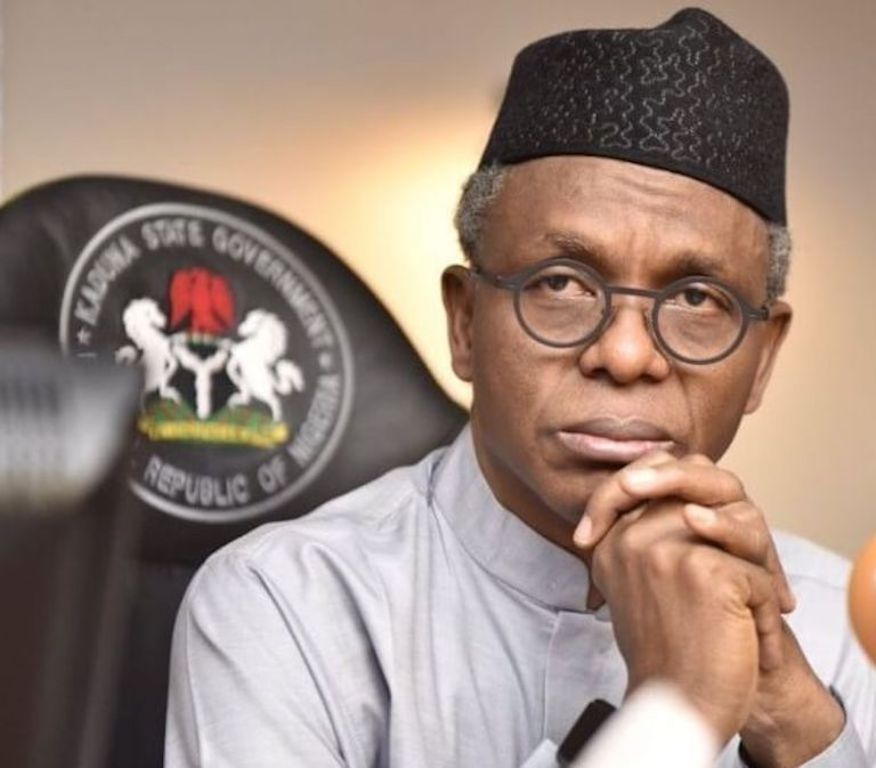
The case of Nasir Ahmed El-Rufai serves as a poignant example of the age-old saying, “what goes around comes around.” During his tenure as governor of Kaduna State, El-Rufai wielded his power with arrogance, a god-like aura, feeling invincible and untouchable. However, his actions and decisions during that time have now come back to haunt him in a dramatic turn of events.
El-Rufai’s leadership style was marked by a sustained rampage on the general heritage of Kaduna State. He targeted every leader and symbol of respect in the state and the North, accusing them of being responsible for all the problems facing the state and Nigeria today. History was shamefully rewritten and falsified to suit his own agendas, portraying past and present Northern and Kaduna state leaders in a negative light.
El-Rufai attempted to bring down individuals he perceived as threats by destroying their personal assets, expelling their supporters from government positions, and undermining the economic and social fabric of Kaduna State.
He launched vicious attacks on respected figures such as Tijjani Ramalan, Suleiman Hunkuyi and Sani Shaaban, seeking to undermine their influence and tarnish their reputations. His efforts to dismantle their personal and political assets, as well as his attempts to sow discord within the state, only served to highlight his own descent into corruption and abuse of power.
One of his main targets was Sani Shaaban, whom he attacked and undermined throughout his eight-year tenure.
It is undeniable that Nasir El-Rufai entered Kaduna politics as a relative outsider and complete stranger, relying heavily on the established political structures and support of individuals such as Shaaban and Tijjani Ramalan to secure victory in the 2015 elections. However, his actions since taking office have demonstrated a clear disregard for the loyalty and assistance provided by these key figures.
Despite benefiting greatly from Shaaban’s widespread political network across all the wards in all the 23 local government areas of the state and Ramalan’s immense resources, El-Rufai wasted no time in turning against them once in power. His apparent ingratitude and willingness to destroy those who had helped him achieve his political ambitions speaks volumes about his character.
It is disappointing to see someone who owes their position to the goodwill and support of others so quickly forget those who played a crucial role in their success. El-Rufai’s actions not only betray a lack of gratitude but also a deep-seated political prejudice and shameless opportunism.
In targeting individuals like Shaaban, Ramalan, and Hunkuyi, El-Rufai has shown a willingness to sacrifice loyalty and solidarity for personal gain. It is a stark reminder of the cutthroat nature of Elrufai’s politics and the lengths he will go to maintain their hold on power.
Overall, El-Rufai’s betrayal of those who helped him rise to power is a disappointing display of disloyalty and self-serving behavior. It serves as a cautionary tale about the fickle nature of political alliances and the importance of integrity in leadership.
Despite his relentless efforts, Shaaban, Ramalan, Hunkuyi and others remained pillars of respect, integrity, and dignity, refusing to engage in confrontations with him.
Shaaban, in particular, stood as a pillar of integrity and dignity, weathering the storm of El-Rufai’s attacks with grace and composure.
His unwavering commitment to integrity and moral values stood in stark contrast to El-Rufai’s unscrupulous tactics and disregard for the rule of law.
Now, the tables have turned as El-Rufai finds himself in the hot seat at the receiving end of justice as he faces allegations of embezzlement and financial mismanagement.
An investigation by the Kaduna State House of Assembly revealed that he and some of his appointees had siphoned N423 billion of state funds. The Assembly adopted the report and urged the current Governor to refer El-Rufai and his accomplices to relevant security agencies for further investigation.
The findings of the probe shed light on the financial mismanagement and corruption that plagued El-Rufai’s administration, leaving the state with a lean treasury and a massive debt burden. This turn of events serves as a cautionary tale of the consequences of abusing power and betraying the trust of the people.
The probe of the Elrufai administration in Kaduna State is likely to extend beyond the reported N450 billion embezzled funds, as further allegations emerge regarding forceful forfeitures, demolitions, and takeovers of government and individual lands and properties across the state.
Since assuming office in 2015, Governor El-Rufai has been known for his ruthless approach towards perceived political rivals. His actions have earned him the nickname ‘Mai Rusau’ or ‘the demolisher,’ due to his penchant for using bulldozers to deal with those he sees as a threat to his authority.
One infamous incident involved the demolition of the homes of prominent political figures within his party, such as Inuwa Abdulkadir and Suleiman Hunkuyi. Additionally, El-Rufai revoked the Right of Occupancy of nine companies owned by former Governor Ahmed Muhammed Makarfi, with plans to demolish the properties.
Furthermore, it is worth noting that El-Rufai inherited a state with a healthy financial position in 2015, only to leave behind a massive debt burden for his successor. Despite inheriting a state with no domestic debt, he accumulated significant debt during his tenure, with reports of funds collected from international institutions for projects that were never executed.
The probe into the Elrufai administration may reveal a pattern of abuse of power and mismanagement of state resources beyond the initial allegations of embezzlement. The reported cases of land seizures and demolitions are indicative of a leadership style characterized by authoritarianism and disregard for due process.
It is essential for transparency and accountability to prevail in the investigation of these allegations to ensure justice for the people of Kaduna State.
The downfall of Nasir Ahmed El-Rufai is a testament to the truth of the saying, “what goes around comes around.” His actions as governor have come back to haunt him, highlighting the importance of integrity, accountability, and ethical leadership in public office. As the saying goes, no one is above the law, and eventually, justice catches up with those who exploit their positions for personal gain.
The irony of El-Rufai’s downfall is not lost on those who have witnessed his reign of tyranny and manipulation. The same tactics that he employed to consolidate his power and suppress dissent have now come back to haunt him, exposing the depths of his greed and deceit.
In the end, the story of Nasir Ahmed El-Rufai serves as a cautionary tale of the perils of hubris and unchecked ambition. His fall from grace is a stark reminder that no one is above the law, and that those who abuse their power will ultimately face the consequences of their actions. What goes around truly does come around, and El-Rufai’s downfall stands as a testament to the inevitable justice that awaits those who would seek to exploit and oppress others for their own gain.
Ultimately, the case of El-Rufai is a lesson in the cyclical nature of karma, proving that no one is above the consequences of their actions.

 Middle-Belt Times